The Wallpaper Journal
Quiet notes on light, landscape and colour — and the wallpapers they became.
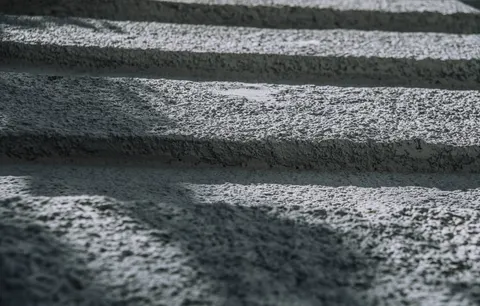 Pebbles: the Water Took the Corners OffRoundness is less a shape than a receipt — for distance travelled and time spent being knocked about.
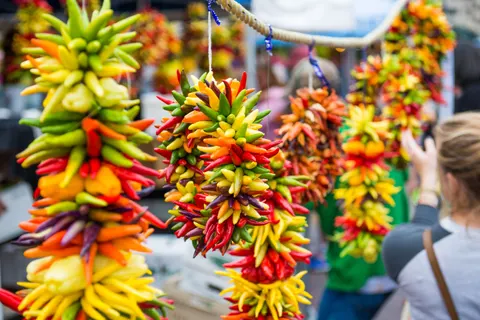 Many of the Same ThingRepetition first turns objects into a surface, then sends the eye hunting for the one that broke rank.
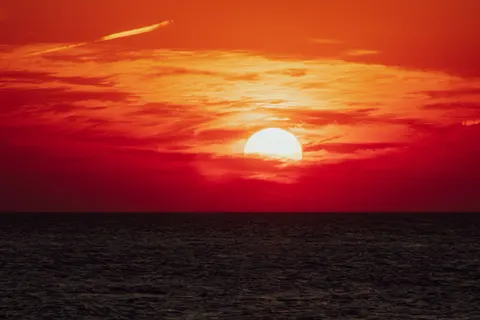 Warm Night Light Changes the Wallpaper You ChoseAfter sunset the screen shifts warm, and the picture you picked at noon is no longer quite the picture you get.
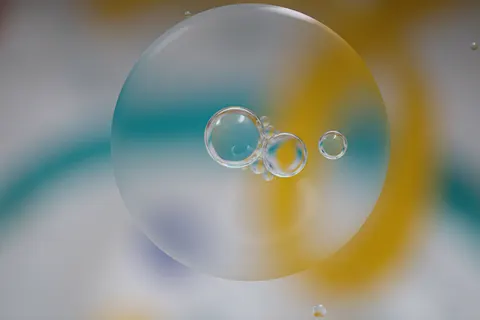 Where Two Textures MeetSand ends, water begins, and the line between them is doing most of the work.
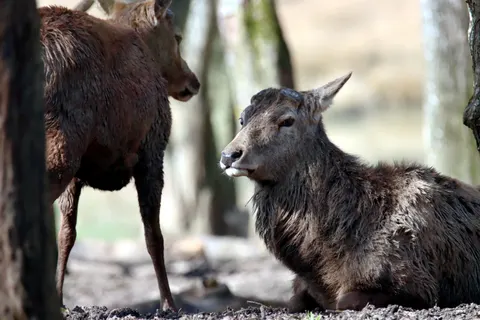 Camouflage: The Photograph That Withholds Its SubjectAn owl against bark is a picture of bark until the moment it isn't.
 Live Wallpapers, and What They Quietly CostA loop of falling snow looks best in the store listing, and worst at four in the afternoon on battery.
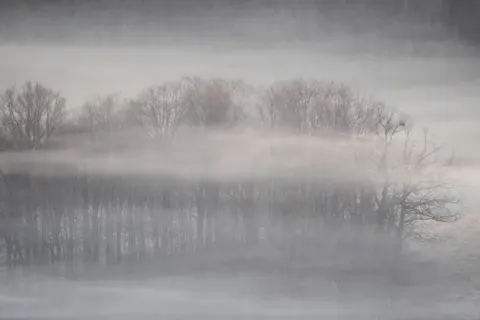 Grey Keeps Its Voice DownOn an overcast day nothing has gone missing; the light has only stopped taking sides.
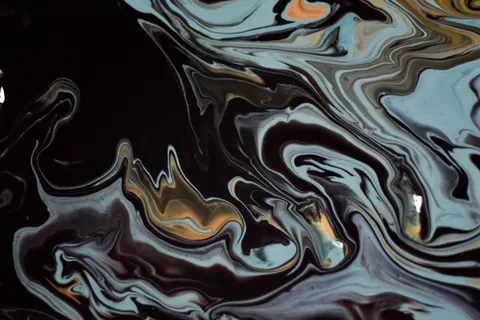 JPG, PNG, WebP: what to save a wallpaper asThe format only shows itself in two places, and one of them is the sky.
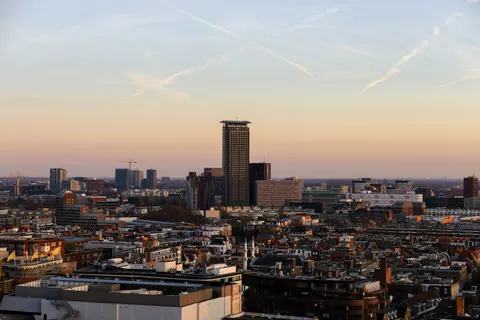 HDR Files, Ordinary ScreensA photograph that holds the sun and the shade at the same time has to give something up on the way to your desktop.
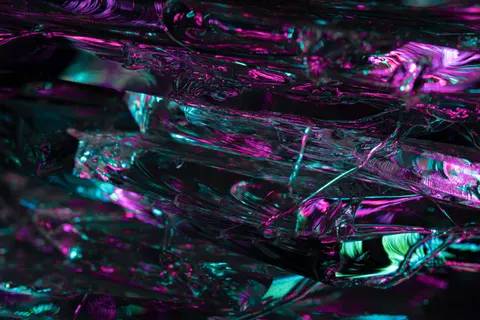 Rust and Patina: Color That Takes YearsOxidation is the slowest pigment there is, and it never repeats a pattern.
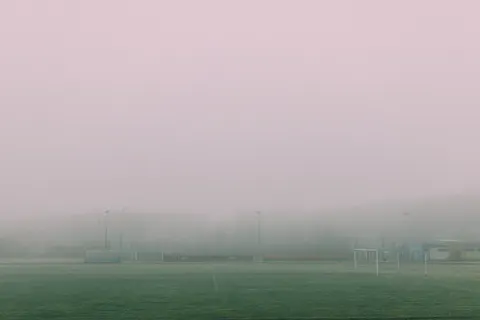 16:9, 16:10, 3:2 — the shape of the screenHow much of a wallpaper survives is decided by the panel's proportions, long before anyone looks at the picture.
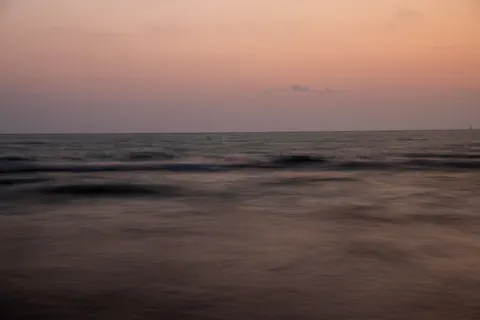 Lock Screen or Desktop: Two Screens, Two JobsOne is read in two seconds; the other stays behind everything you do.
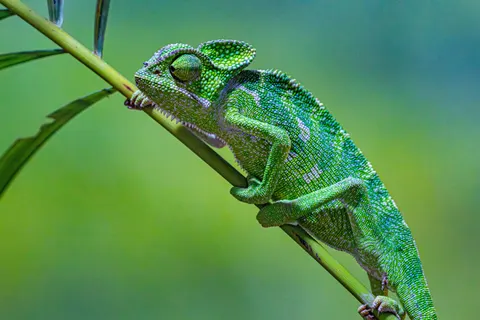 Spirals: growth that keeps its shapeA fern, a shell, a slow eddy in a river — the same turn, only made bigger each time around.
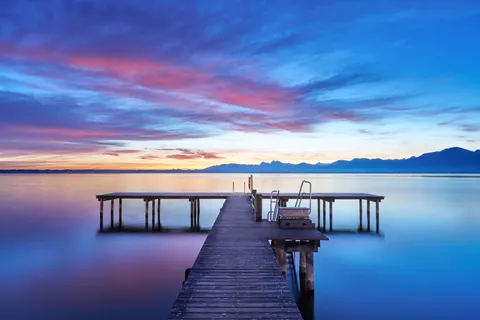 The Brightest Point: Where the Eye Goes FirstBefore you read a picture, you have already looked at its lightest patch.
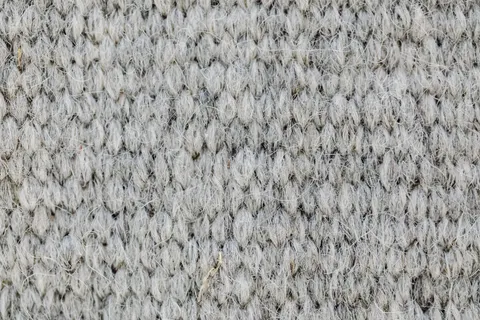 Real 4K or Just Enlarged: What the Screen NoticesA file can carry the right pixel count and still run out of detail halfway.
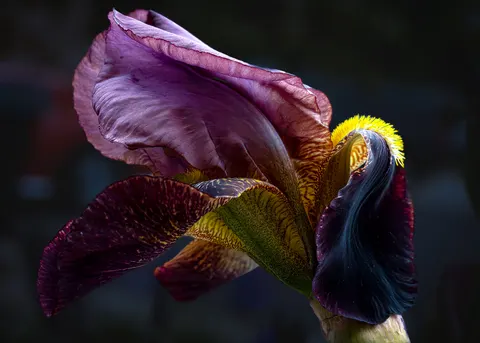 Wood Grain: Years Written as CirclesEvery ring is one summer and one winter, and the saw decides whether you get to see them as rings or as stripes.
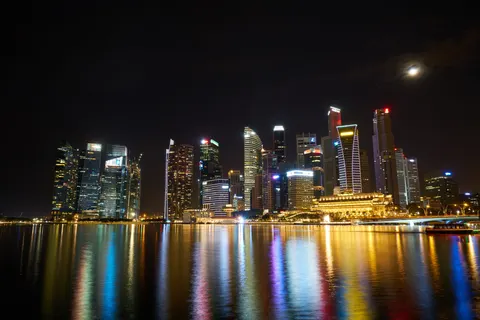 In Fog, a Light Grows a BodyOn a clear night a streetlamp is a point. Add water to the air and it becomes a shape with edges you could walk into.
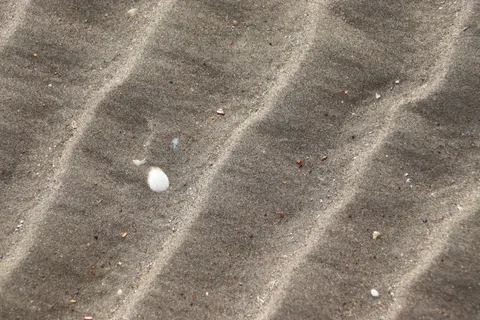 White: The Colour That Steps AsideIt offers no hue of its own, only brightness, and in exchange it makes everything beside it easier to read.
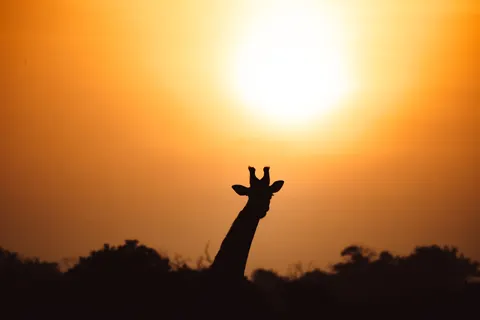 Rim Light: The Outline That GlowsWhen the sun is low and behind the animal, every hair along its edge is lit and everything inside stays dark.
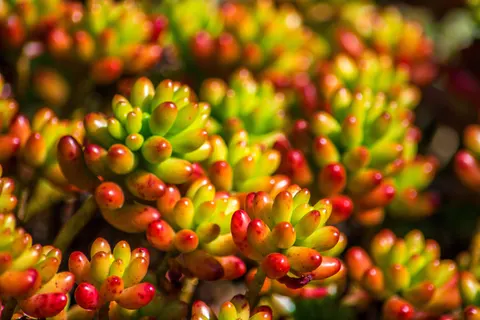 Moss and Lichen: The Slowest Green There IsA patch that took twenty years to cross a stone, and most people step over it on the way to the view.
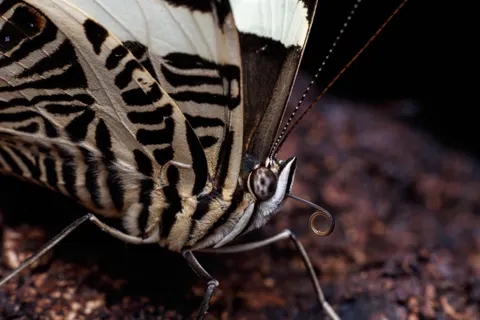 Structural Colour: Blue Without Any Blue in ItA morpho wing, a beetle's back, the neck of a pigeon. None of them contain the colour you are looking at.
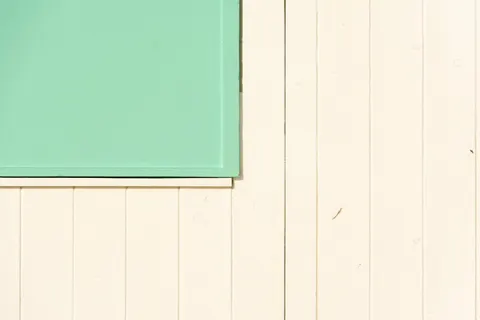 Does a Wallpaper You Never Change Burn InBurn-in needs three things: an OLED panel, a bright fixed pattern, and time. A desktop supplies all three without being asked.
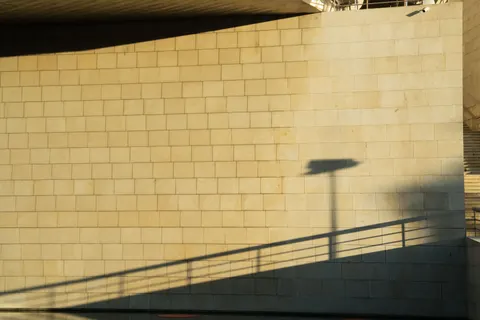 What Dark Mode Asks of a WallpaperOnce the interface goes dark, the picture behind it is the only large thing on the screen still giving off light.
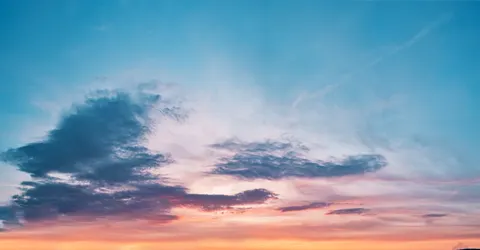 Why Smooth Skies Come Out StripedBanding is what happens when a gradient runs out of numbers before it runs out of screen.
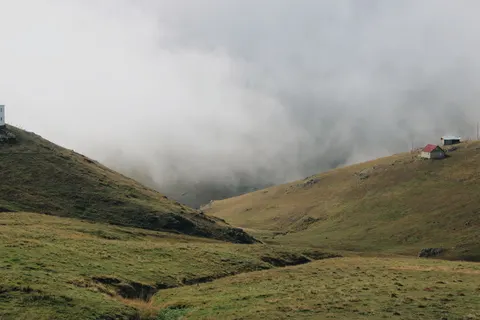 Fill, Fit, Stretch: Four Fates for One PictureThe little dropdown under every wallpaper picker decides what gets cut, what gets padded, and what gets quietly deformed.
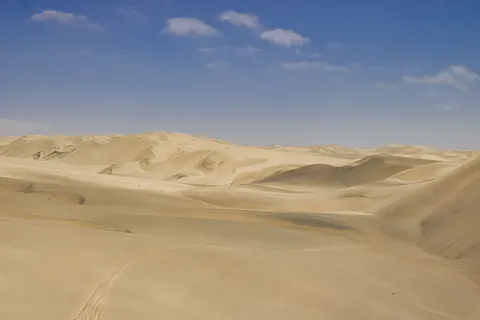 How Often a Wallpaper Should ChangeA picture you have stopped seeing is not doing much work.
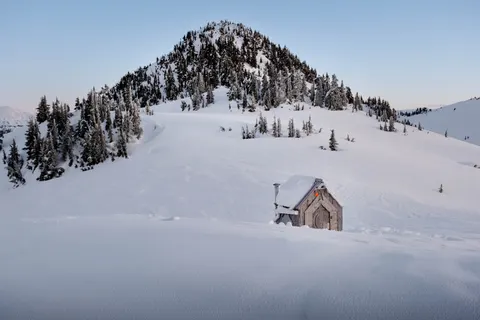 Blue Shadows: What Lights the ShadeOn snow, the shadowed side is never grey. It is lit by the sky, and the sky is blue.
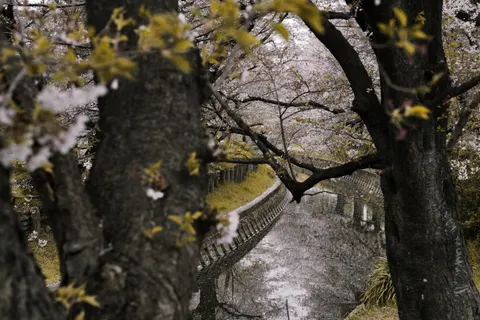 Yellow: the colour that arrives firstThe brightest hue on any screen, and the hardest one to keep quiet.
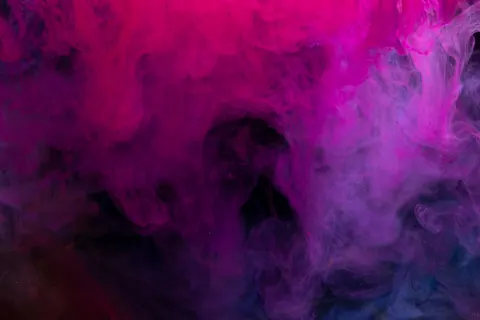 The Same Wallpaper Looks Different on Every ScreenOne file, two panels, and a sunset that cannot agree on its own temperature.
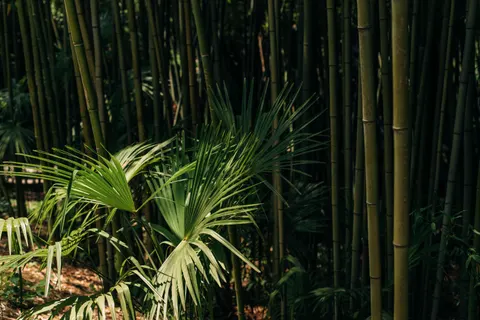 Green: the color the eye stops arguing withHalf the photosites on a sensor are green, and that was our idea first.
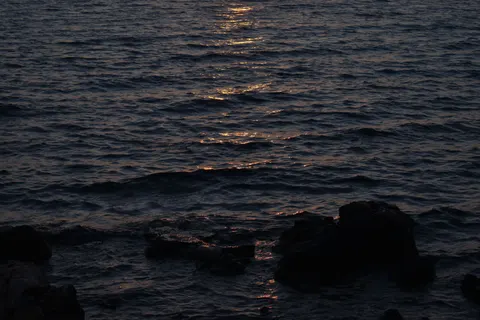 Two Blues: The Sky's and the Water'sPut them in one frame and the eye starts comparing before you ask it to.
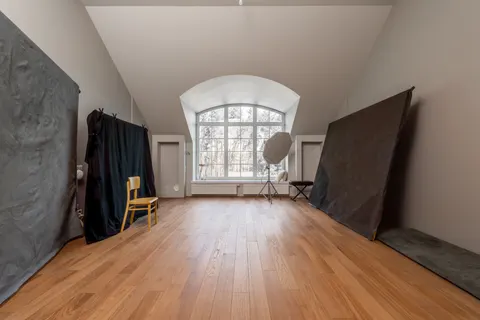 What a Wallpaper WeighsCompression gives itself away in the sky long before it touches the leaves.
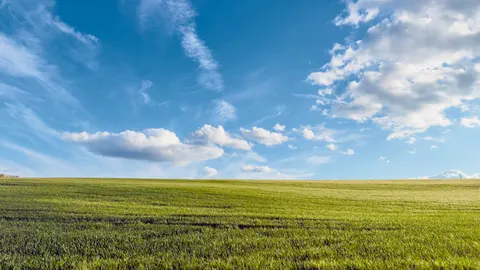 Looking Up: Frames With No Ground in ThemTilt the camera past the treetops and the picture loses its floor, and with it most of its scale.
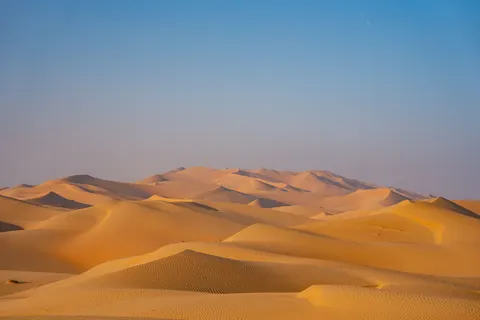 One Photo, Two Crops: Phone and DesktopA picture that holds together across the room rarely holds together in your hand, and the sides are the first thing to go.
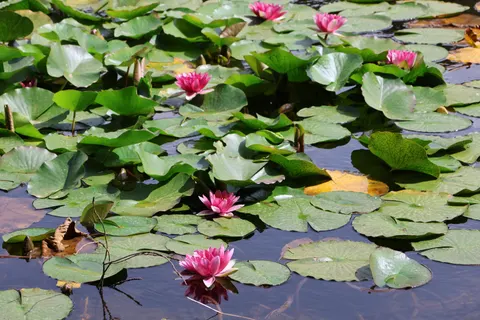 After the Rain, Colour Turns UpA film of water changes nothing about the scene except how it hands back light.
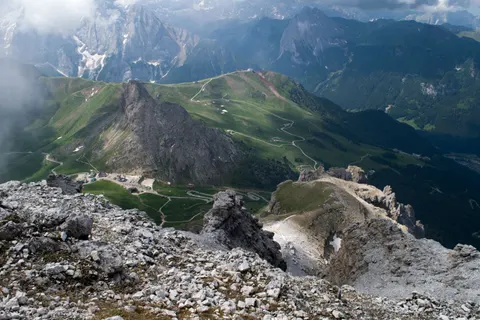 Cloud Shadows, Walking Over the GroundThe only part of weather that lands, and it never stays put.
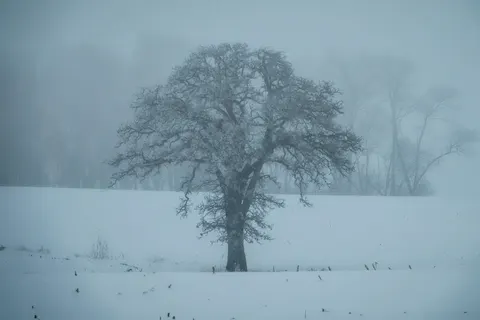 Black Wallpaper on an OLED ScreenOn this kind of panel black is not a colour but a pixel that has been switched off.
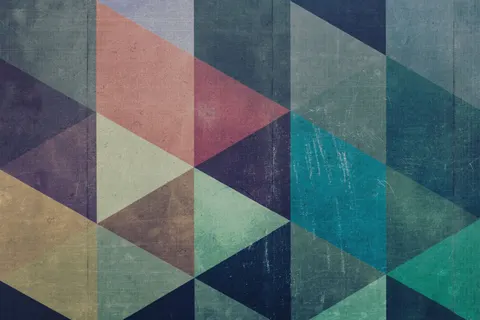 The Wallpaper Behind Your IconsHalf of a desktop picture's job is to sit still underneath text.
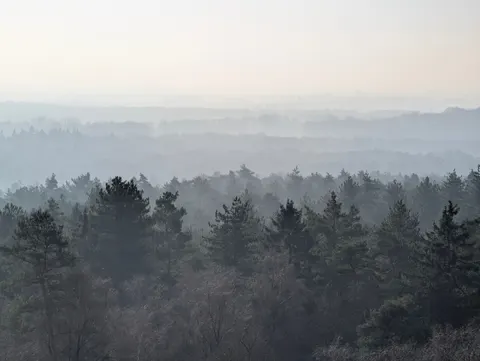 Bare Branches: The Tree as a Line DrawingWinter takes the leaves away and leaves the drawing underneath.
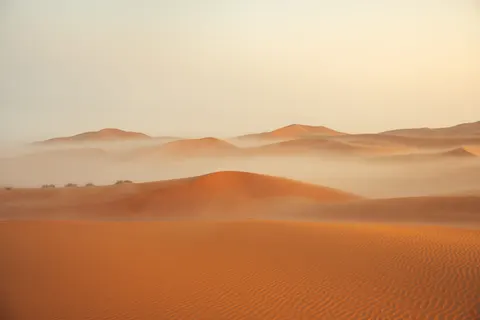 Two Screens, One PictureA wallpaper that has to cross a bezel is a different picture from one that only has to fill a frame.
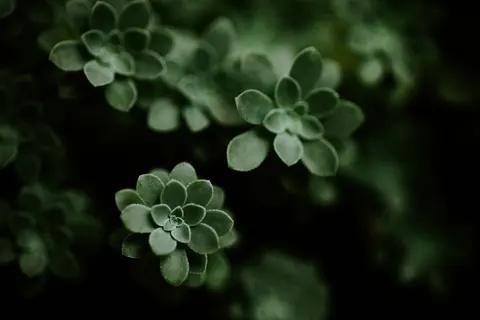 Resolution: How Big a Wallpaper Needs to BeA screen is a fixed grid of pixels, and a wallpaper only has to cover it — the rest is margin, not merit.
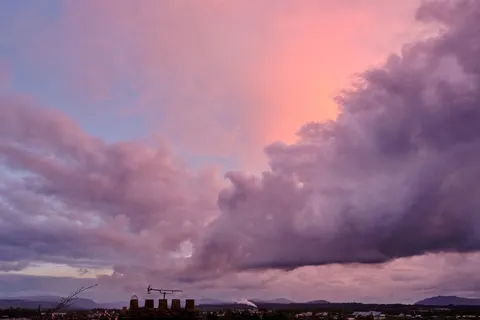 Warm and Cool: Two Temperatures in One FrameMost good pictures are lit by two lights that disagree.
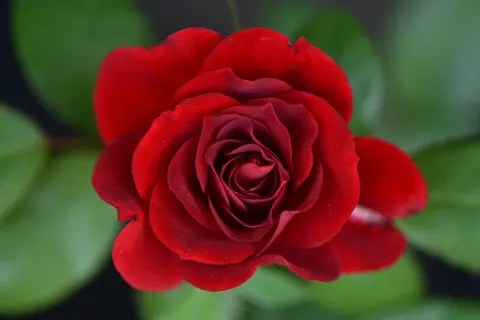 Out of Focus: What the Background BecomesOpen the aperture and the world behind the subject stops being objects.
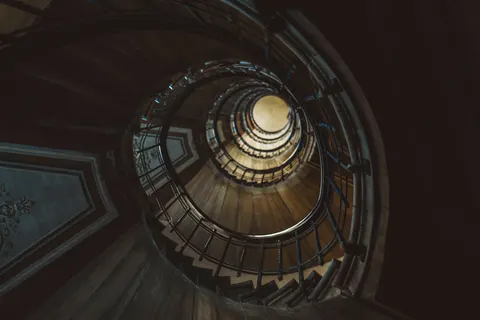 Doorways: The Frame Inside the FrameAn arch decides what you are allowed to see, and the eye quietly thanks it for the edit.
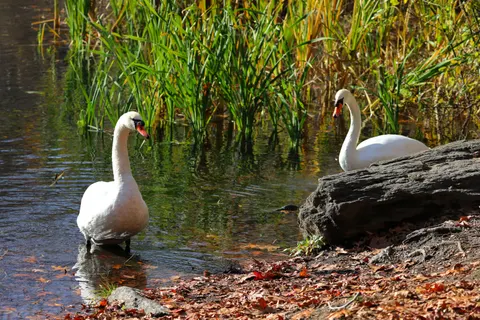 Ripples: the one shape water draws on its ownA single drop, and a perfect circle walks outward until the surface forgets it.
 Lit Windows: The City's Nightly GridAfter dark a tower loses its shape and keeps only its arithmetic.
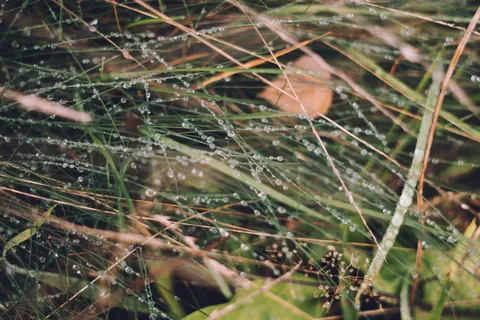 Forest Floor: The Level Nobody Stands AtBelow the knee the woods keep a second landscape — roots, moss, last autumn's leaves, and light that has already been filtered twice.
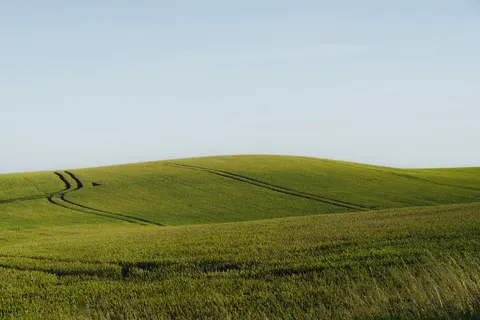 Lone Trees: One Subject and a Lot of GroundA single tree, an open field, and the sudden question of where to stand.