Camouflage: The Photograph That Withholds Its Subject
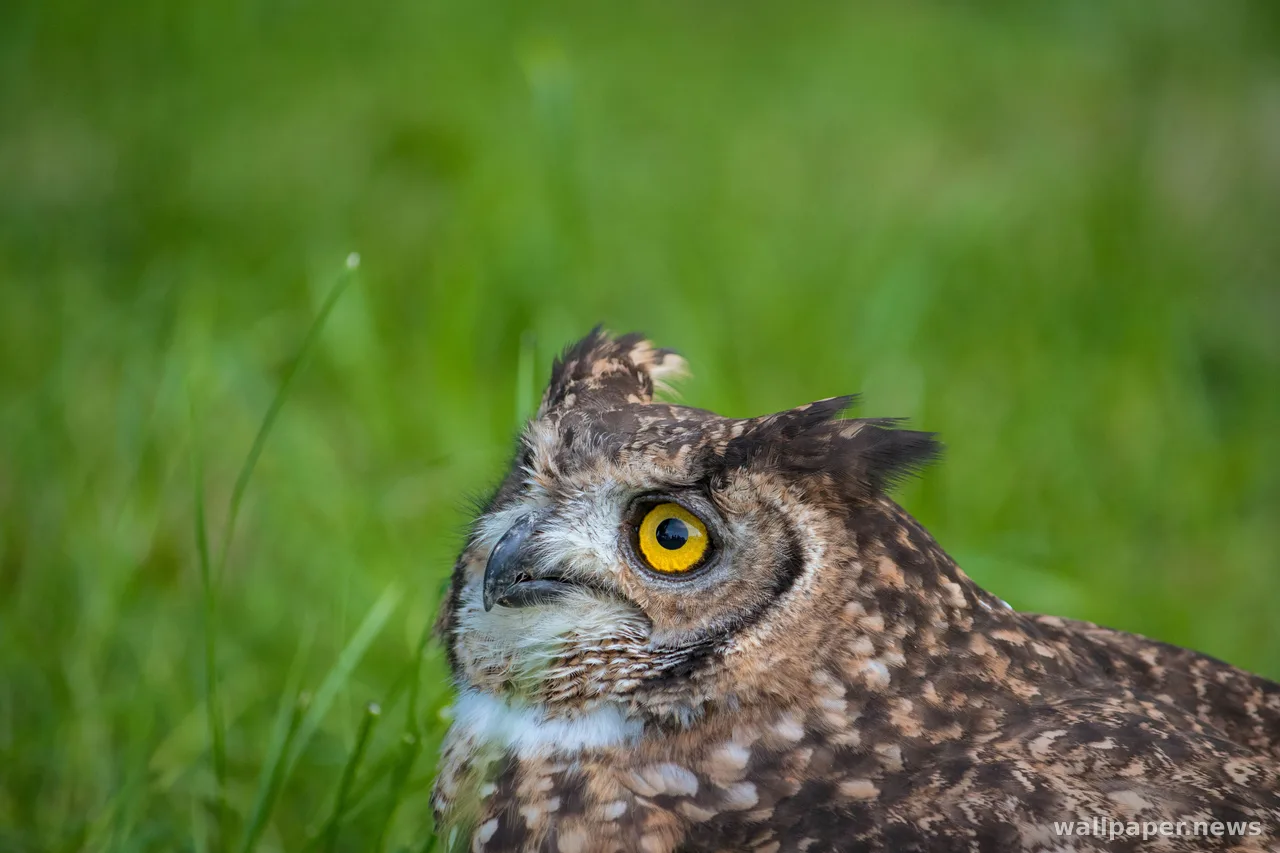
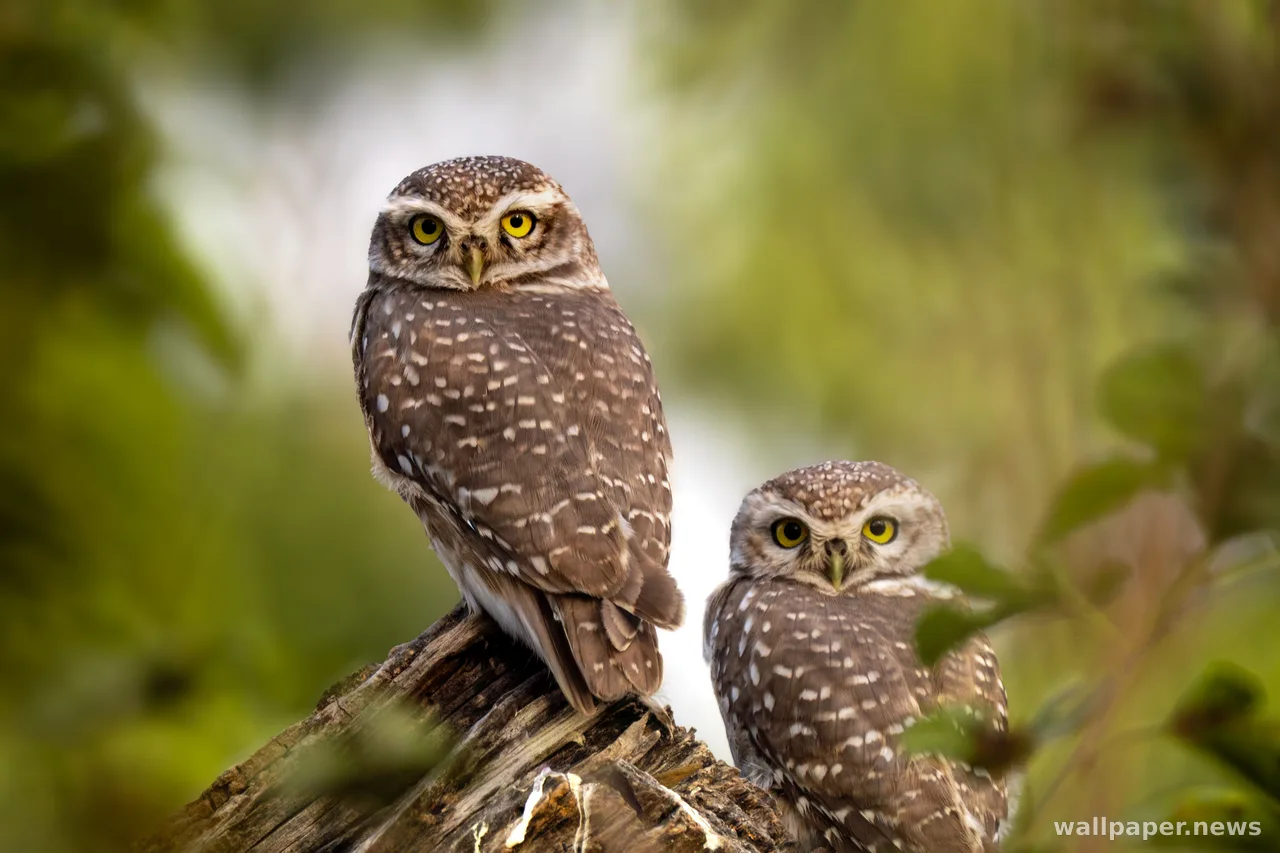
An owl against bark is a picture of bark until the moment it isn't.
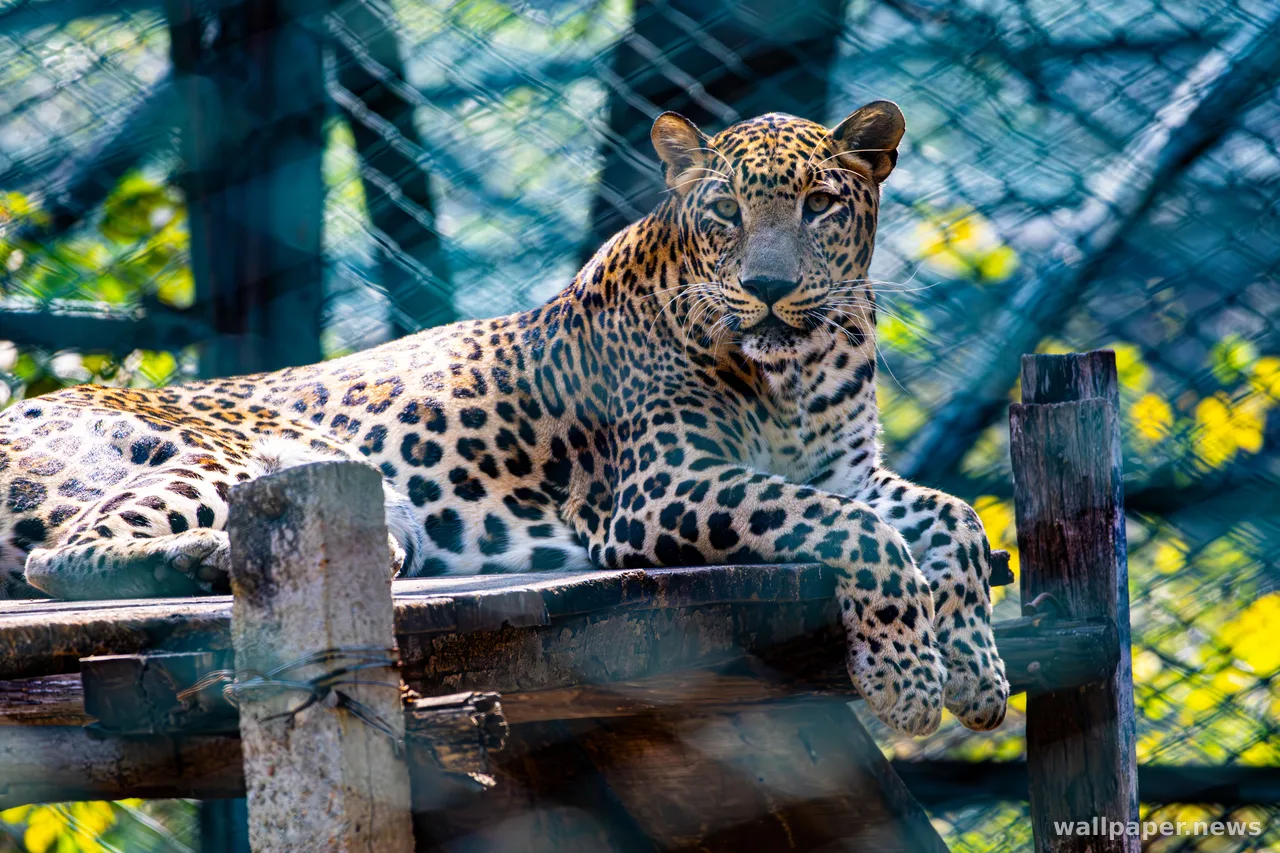
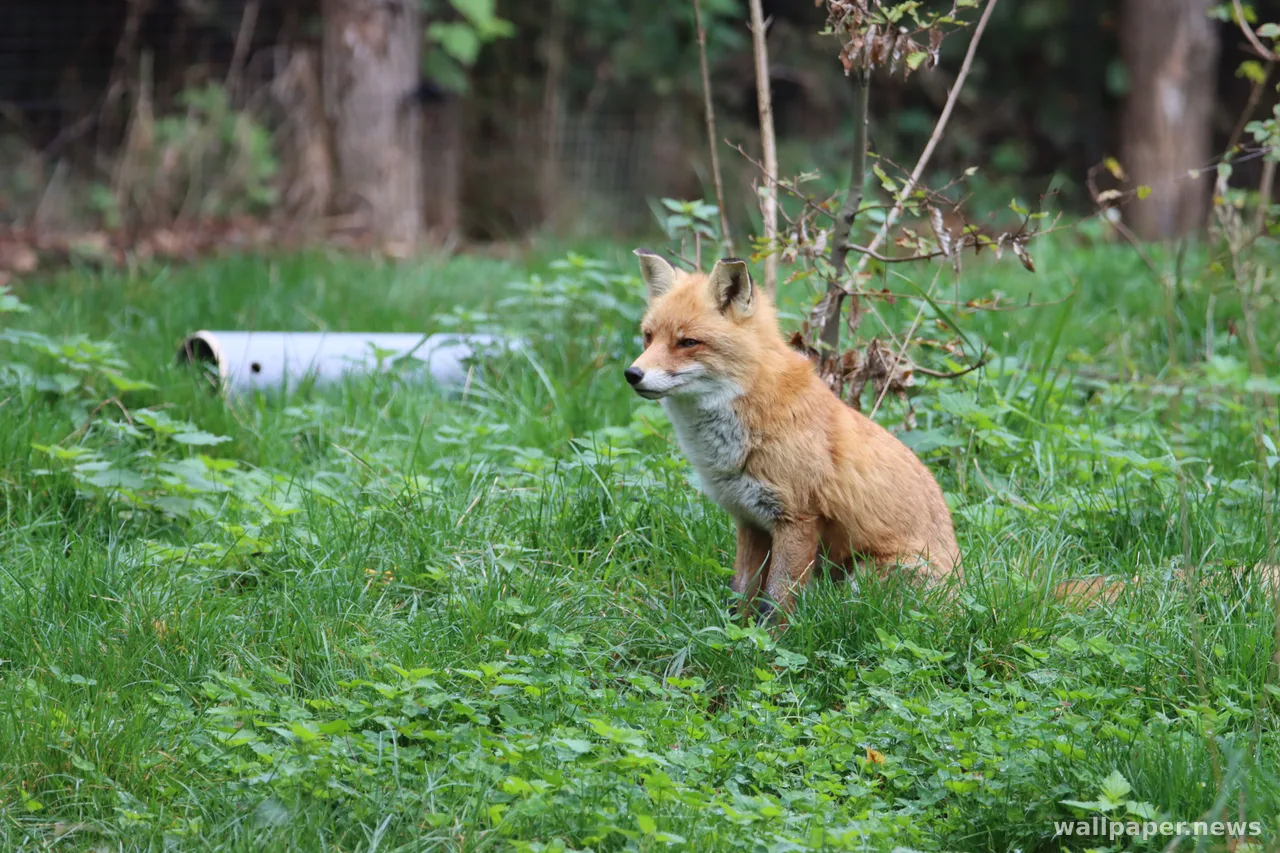
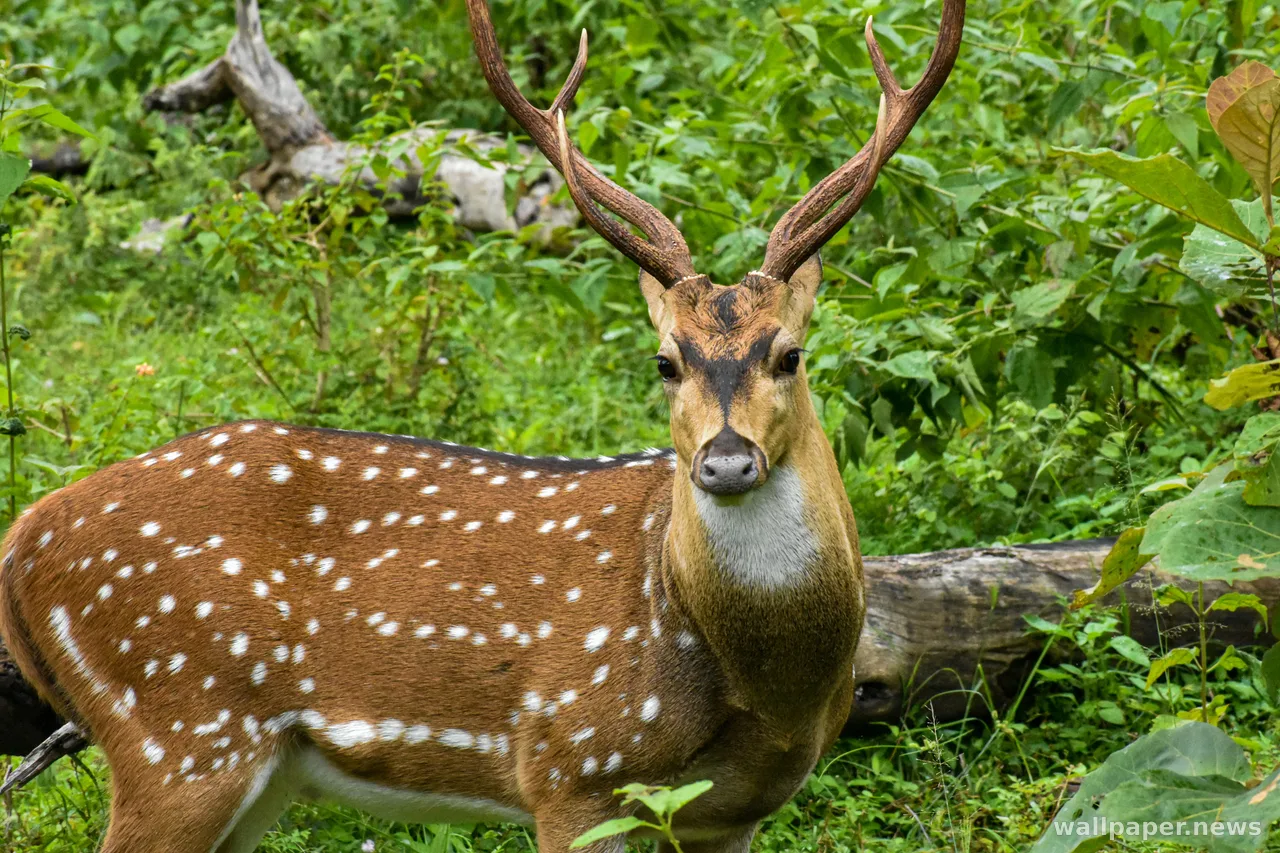
Camouflage is the rare case where an animal is designed to lose an argument with the background. Bark, gravel, dry grass, a shallow reef floor — the pattern is not an imitation of a place so much as a refusal to be a shape within it. Photographers who look for it end up learning the habitat first, because the subject is only findable as a small failure in an otherwise consistent surface.
What gives it away is almost never colour. It is an edge that runs the wrong direction, a shadow that belongs to nothing, a symmetry too tidy for stone. Eyes are the usual traitor: round, wet, level with each other, and hard to break up with any amount of mottling, which is why so many species have evolved a dark stripe to draw across them.
On a screen the effect is unusually generous. A wallpaper that hides something rewards the second glance without demanding the first, and it stays quiet under a row of icons because most of the frame is texture doing ordinary work. You will find the animal on day three, and after that you will never be able to unsee it, which is its own kind of value.
In this collection