16:9, 16:10, 3:2 — the shape of the screen
How much of a wallpaper survives is decided by the panel's proportions, long before anyone looks at the picture.
Wallpaper files are almost all 16:9, because that is the shape desktop monitors settled into. Laptops have drifted the other way — 16:10 on many, 3:2 on some — taller panels that hold a few more lines of text. Put a 16:9 picture on a 16:10 screen and the system has to enlarge it until it covers the height, at which point it is wider than the screen it lives on.
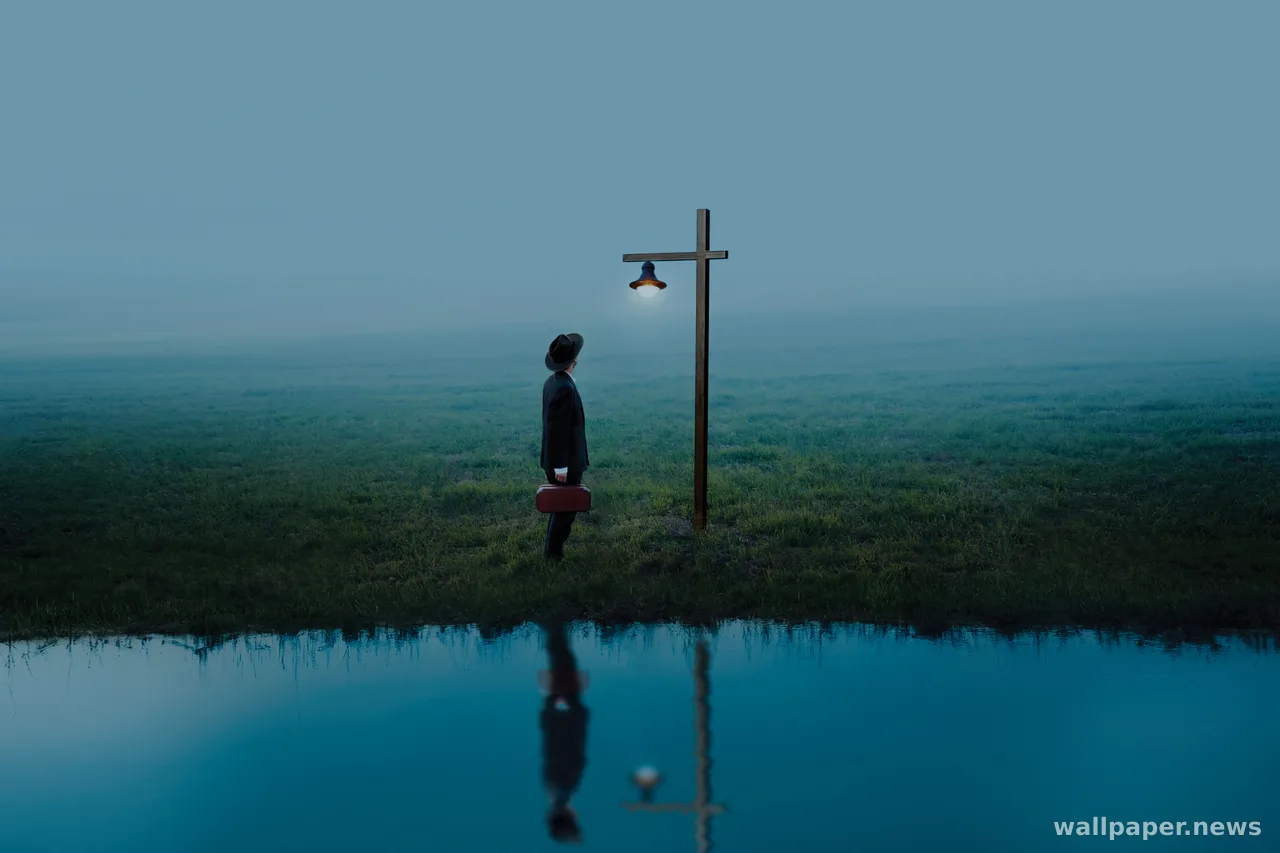
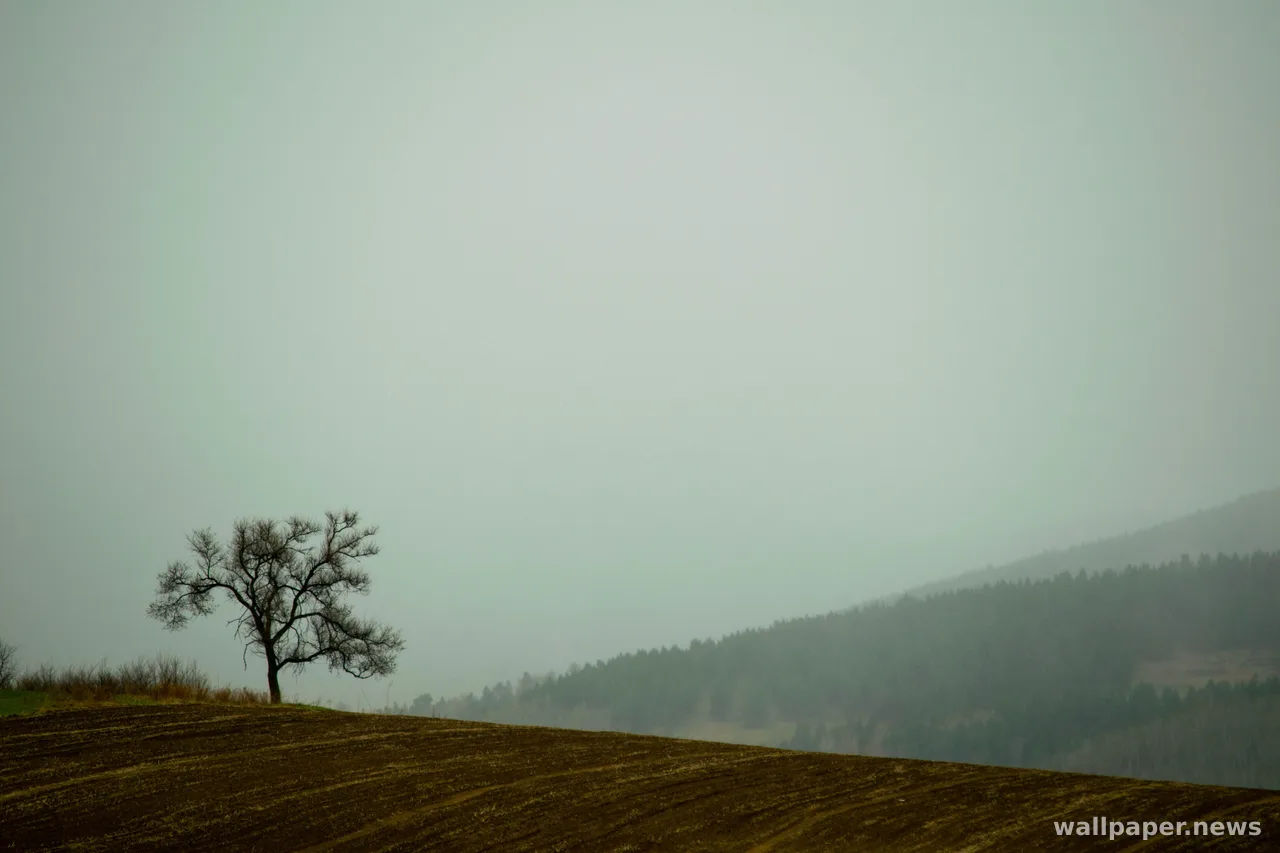
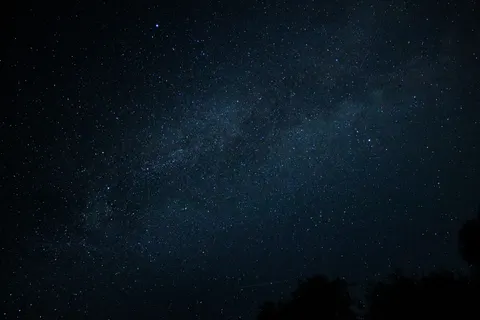
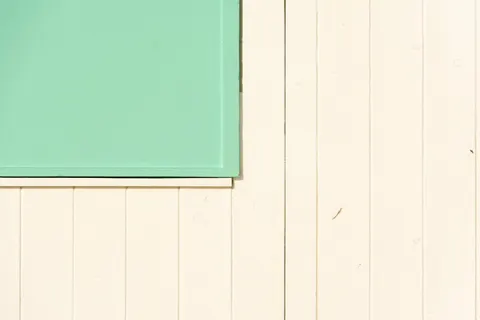
What goes is the sides. About a tenth of the width on a 16:10 panel, closer to a sixth on 3:2, taken evenly from left and right without a dialog box. Whether that costs anything depends on where the photographer put things: a lone tree sitting on the third stays, the same tree near the edge walks out of the frame.
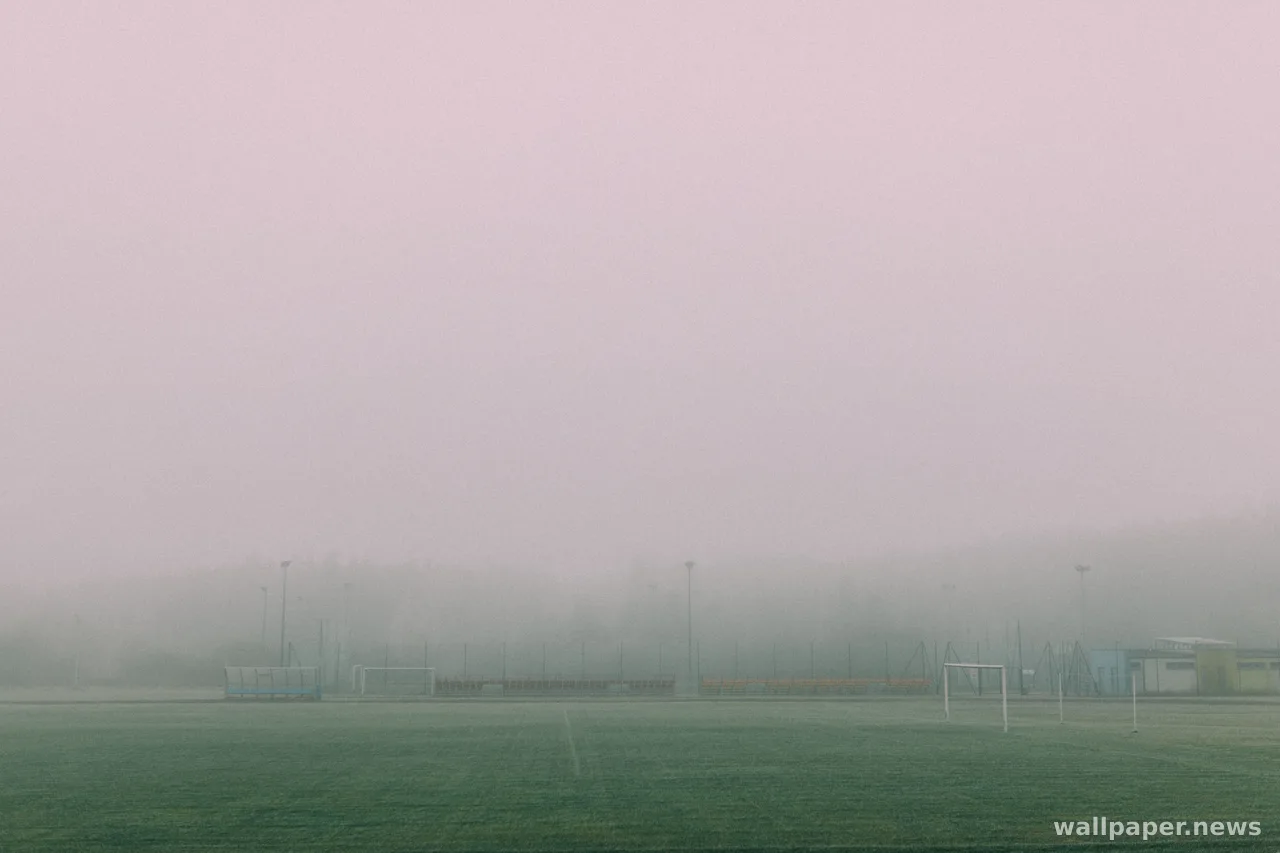
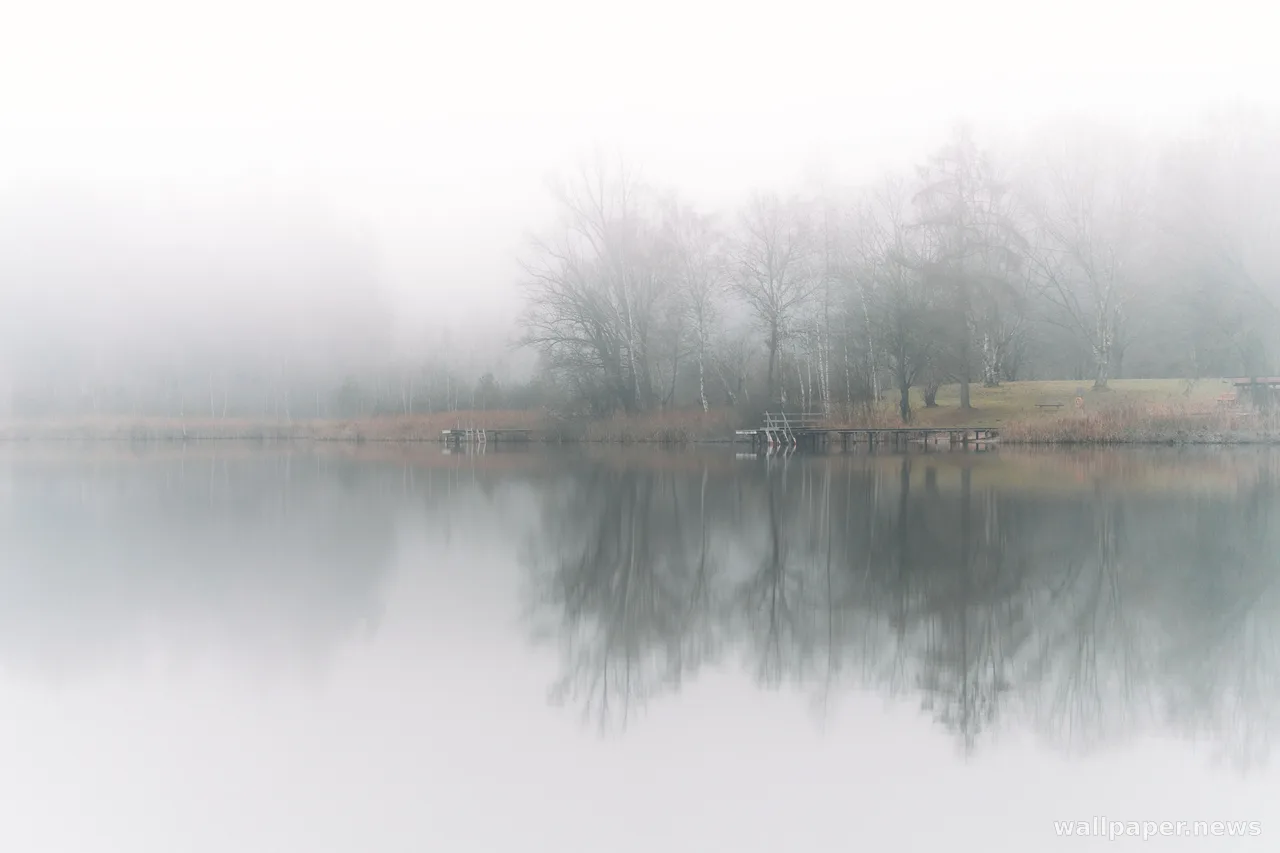
The quiet fix is to read the resolution in display settings before downloading — 1920×1200 and 2560×1600 are 16:10, 2256×1504 and 3000×2000 are 3:2 — and take files in the panel's own proportion. Failing that, choose pictures that keep their idea in the middle: a horizon, a gradient, a bank of fog. Those crop to any shape and remain themselves. The screen is a fixed frame; the wallpaper is the part that gets trimmed.