Doorways: The Frame Inside the Frame
An arch decides what you are allowed to see, and the eye quietly thanks it for the edit.
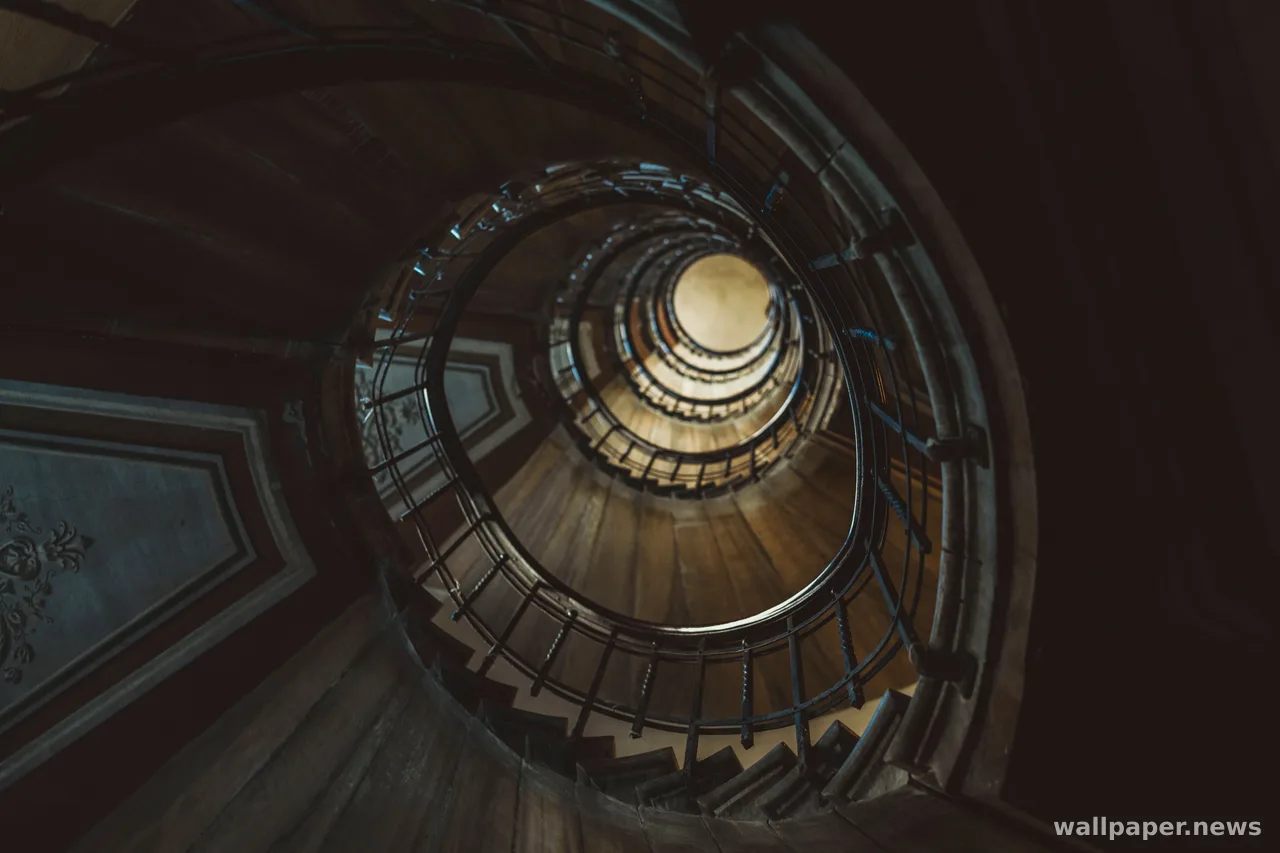
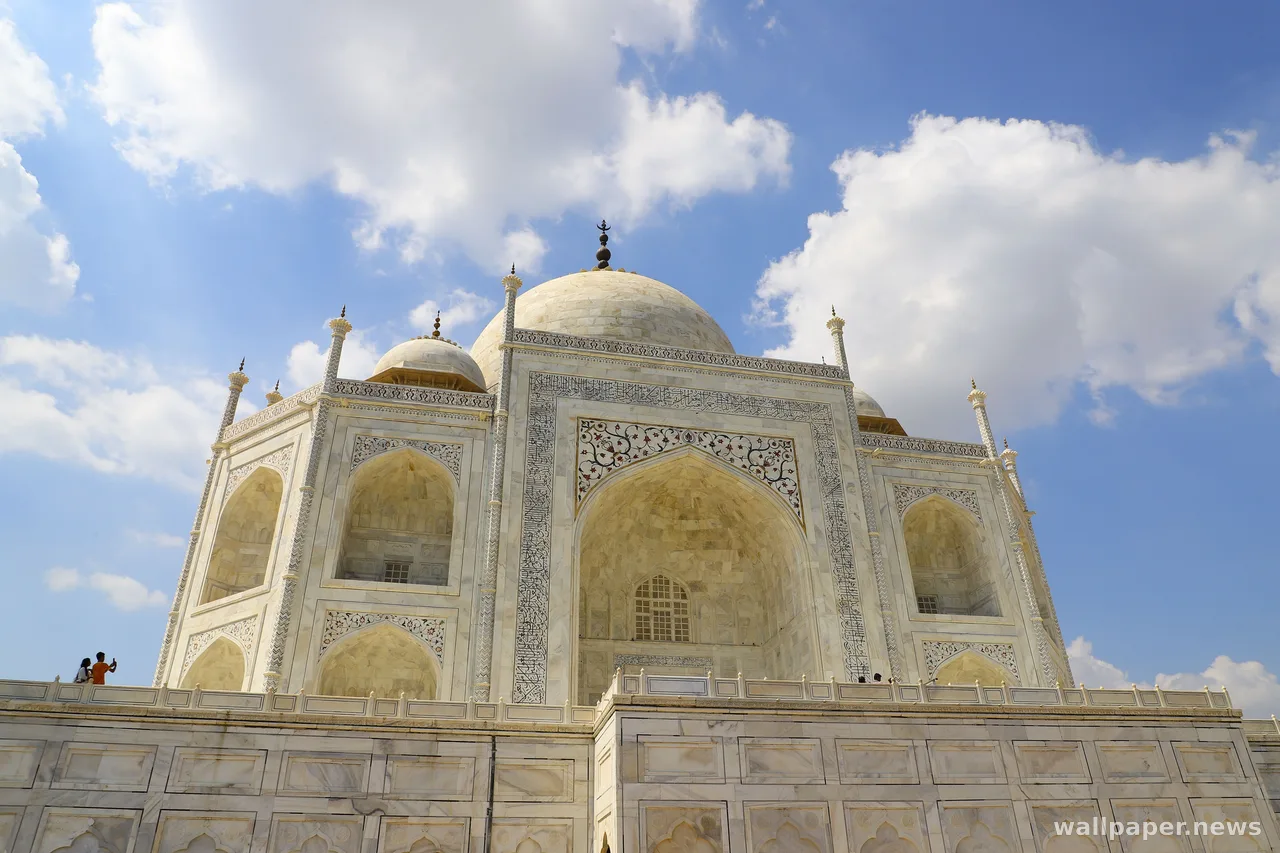
A doorway is a second camera, built centuries before the first one. Stone narrows the world to a rectangle or a curve, and whatever survives that cut becomes the subject: a strip of courtyard, one lit wall, a person crossing at the wrong moment. Nothing was added. Something was simply left out, which is most of what composition ever is.
The exposure gets interesting here. Meter for the bright opening and the surrounding stone falls into silhouette, all outline and no grain; open the aperture a stop and the masonry returns, rough and warm, while the far courtyard blows out to paper white. Neither version is wrong. The photographer only has to decide whether the picture is about the passage or about the place it points to.
On a screen the arrangement turns useful. The dark border of the arch is where icons can sit without arguing with anything, and the bright opening stays empty, the way a window in a wall stays empty. You end up looking through your desktop instead of at it, which is a strange thing for a wallpaper to manage.