The Brightest Point: Where the Eye Goes First
Before you read a picture, you have already looked at its lightest patch.
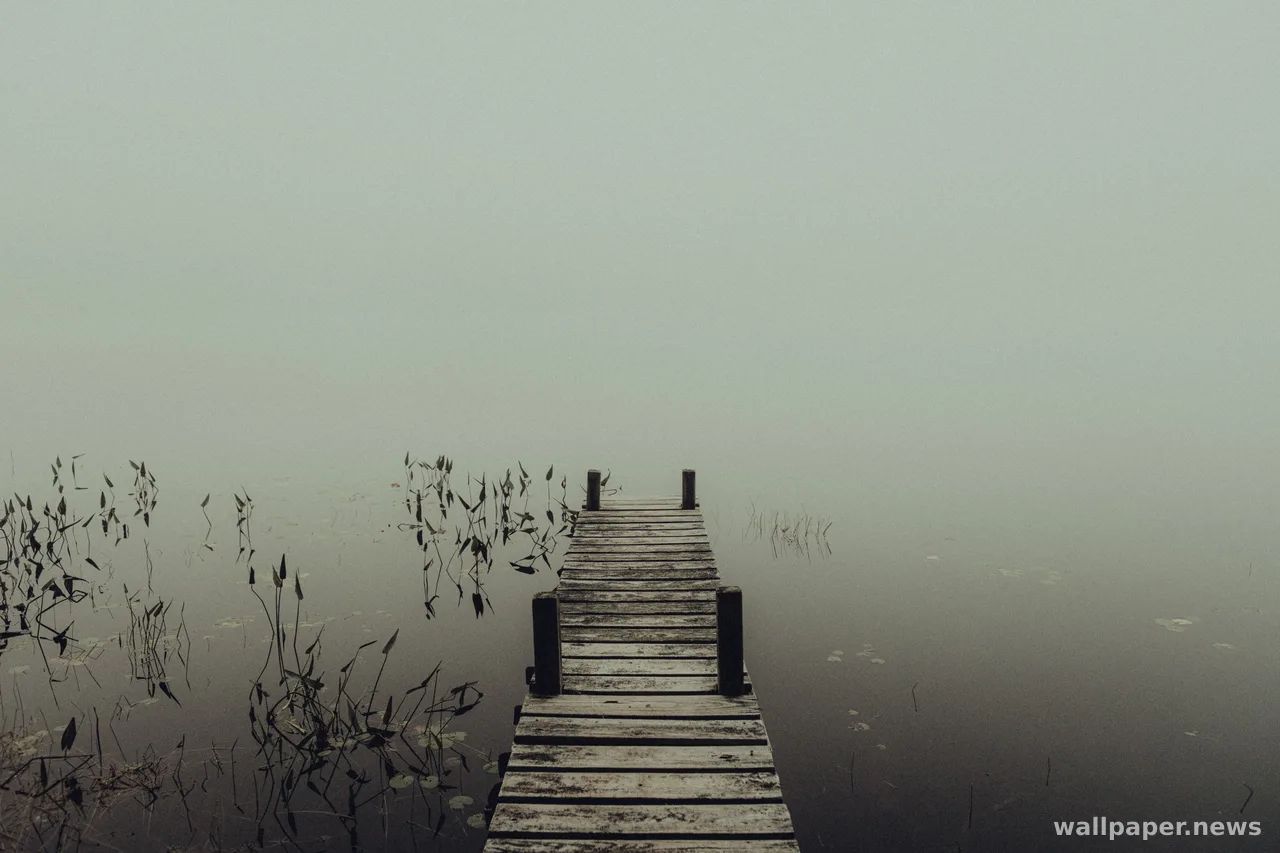
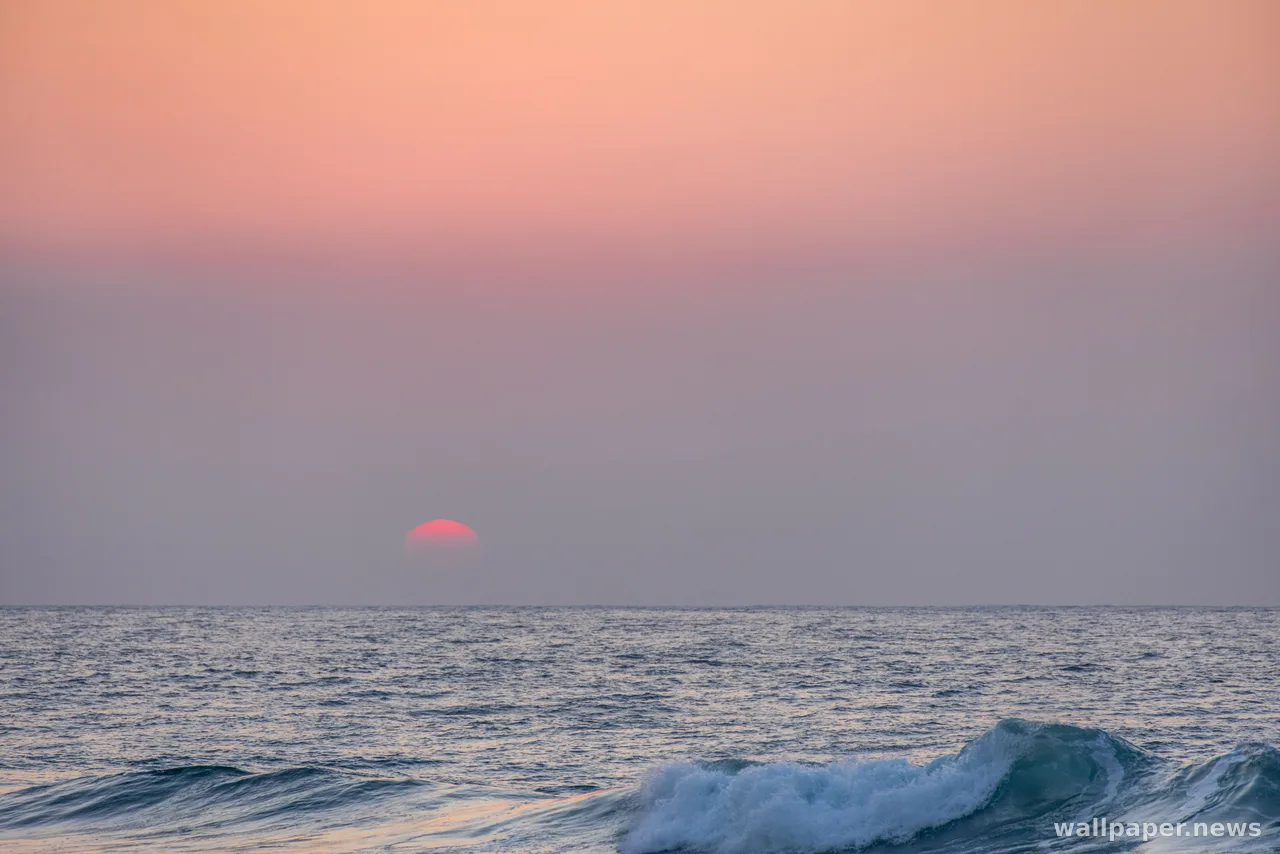
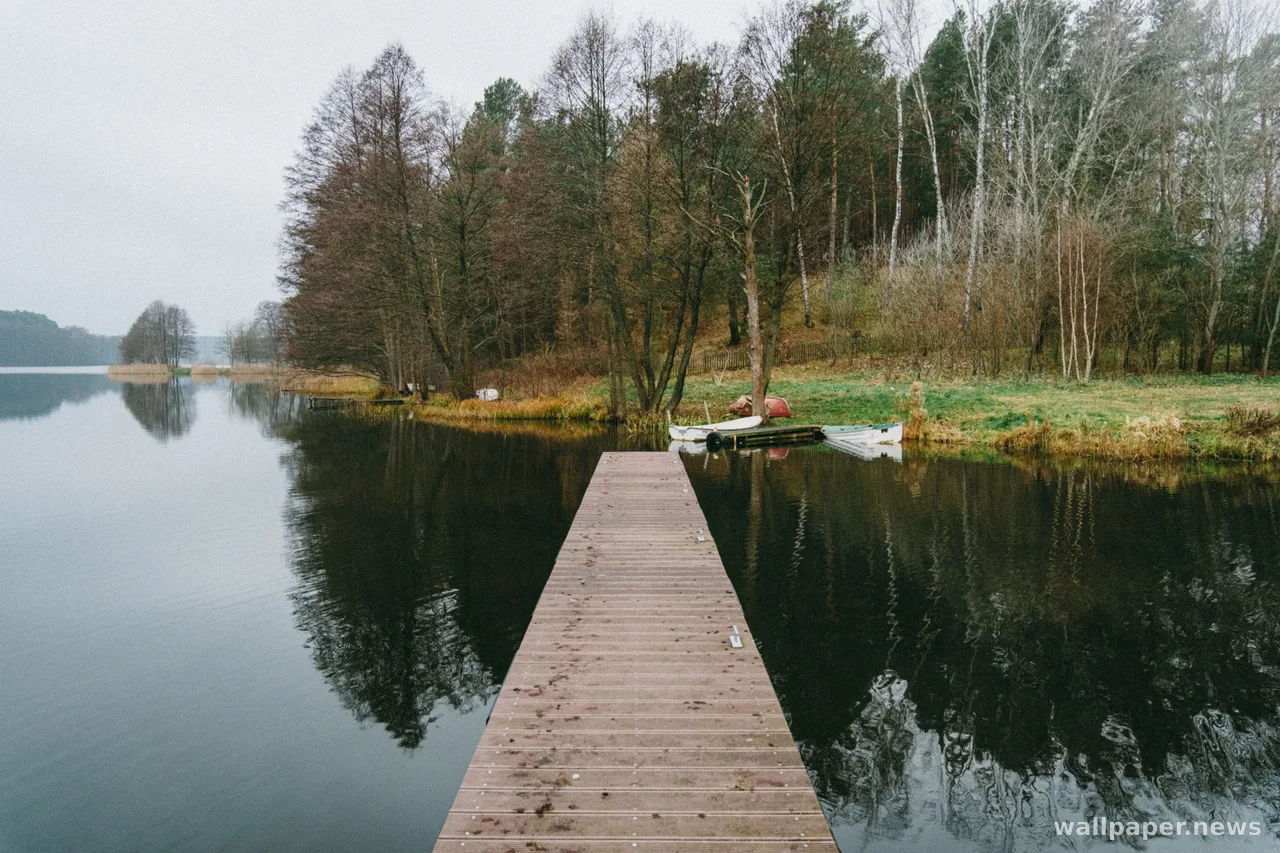
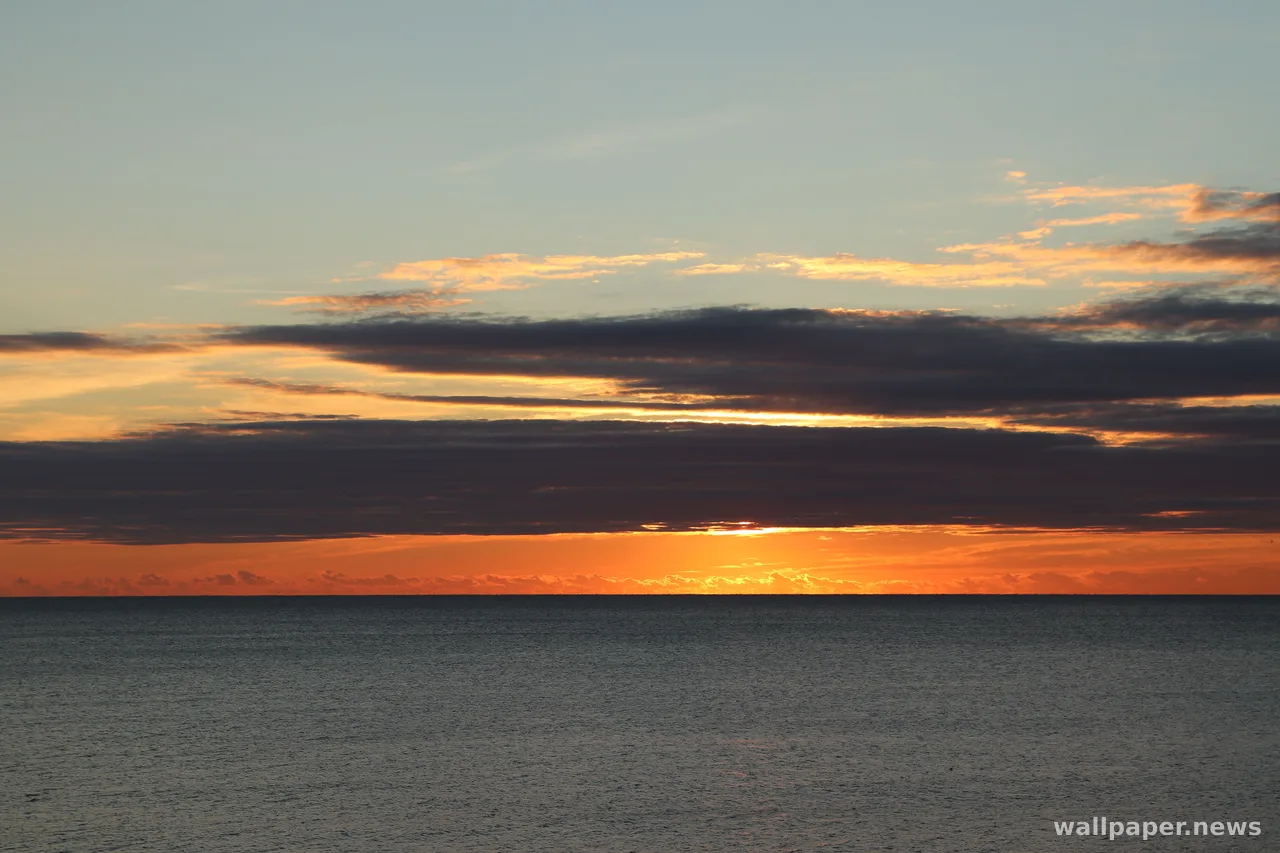
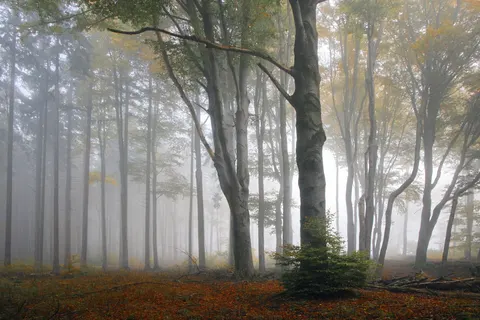
Attention does not start in the middle of a frame. It starts at the brightest thing in it — a gap of sky between two trees, a strip of sun lying flat on water, one lit window in a street of dark ones. Everything else is looked at second, and mostly to explain the first.
Photographers spend a good part of their working life managing this. Exposure is set for the highlights, because highlights are what empty out first, and once a bright area has gone blank there is nothing left in it to hold on to. A frame with two equally bright points feels restless: the eye keeps travelling between them, checking which one it was meant to care about.
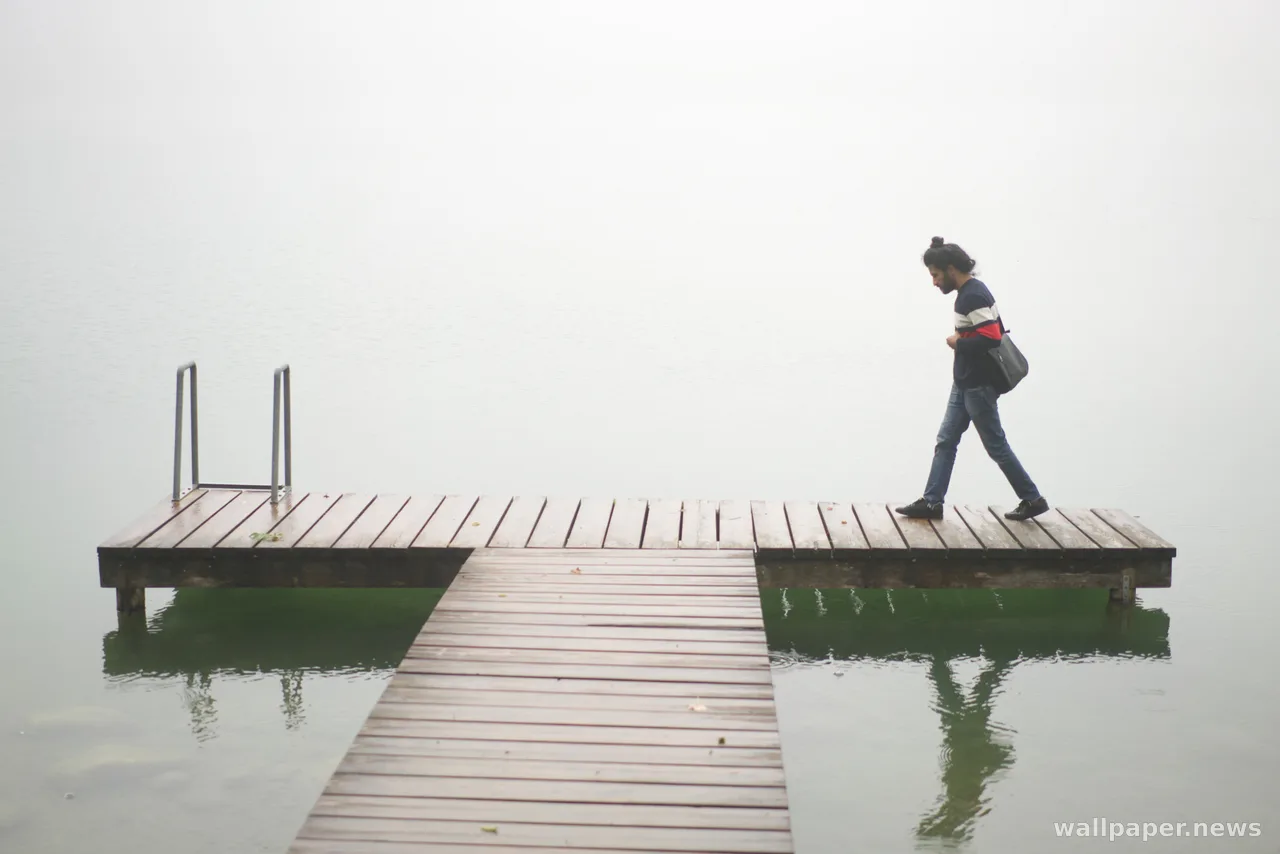
On a desktop this stops being theory. The brightest area of a wallpaper is where your attention lands every time the windows close, and if it sits under a row of icons the two argue quietly all day. The images that wear well tend to keep their light low, or off to one side, somewhere the eye can visit once and then let go.