Warm and Cool: Two Temperatures in One Frame
Most good pictures are lit by two lights that disagree.
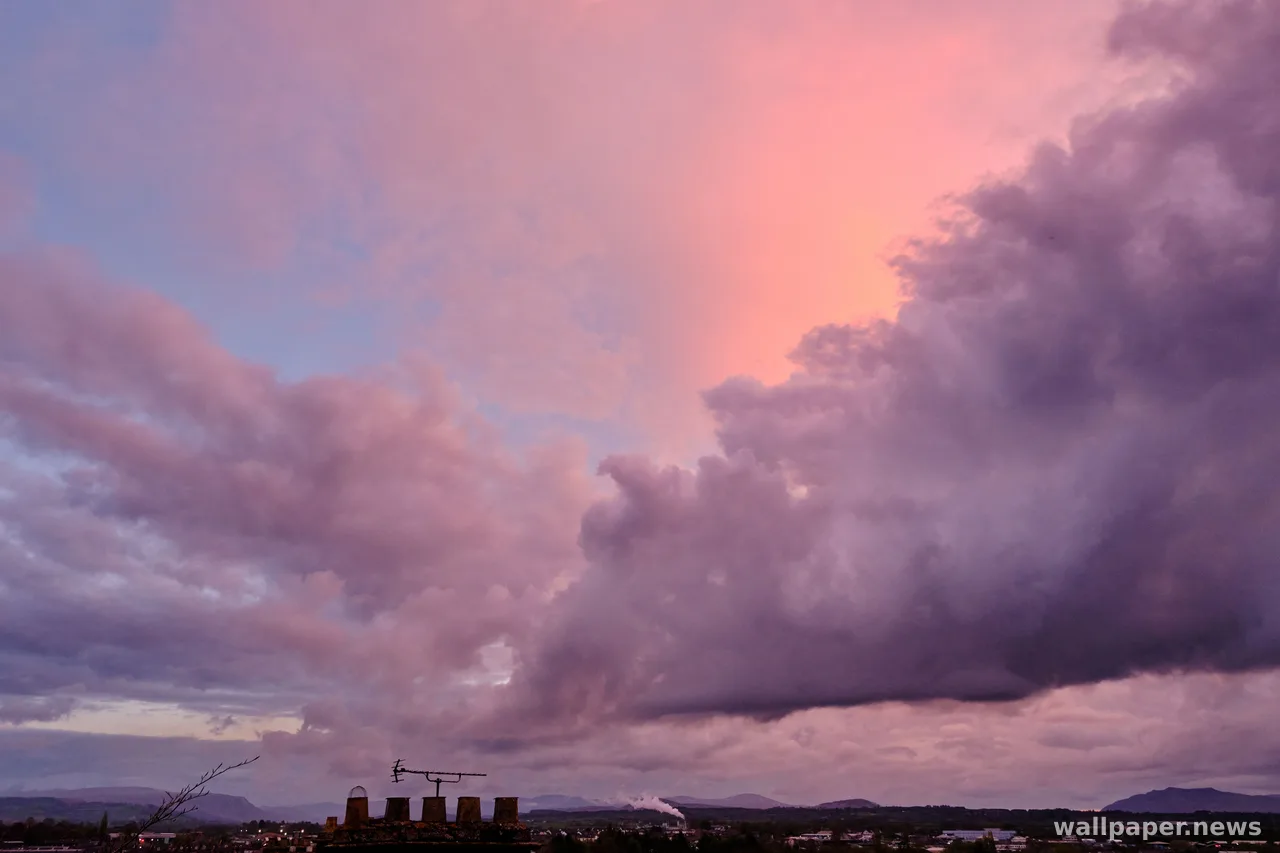
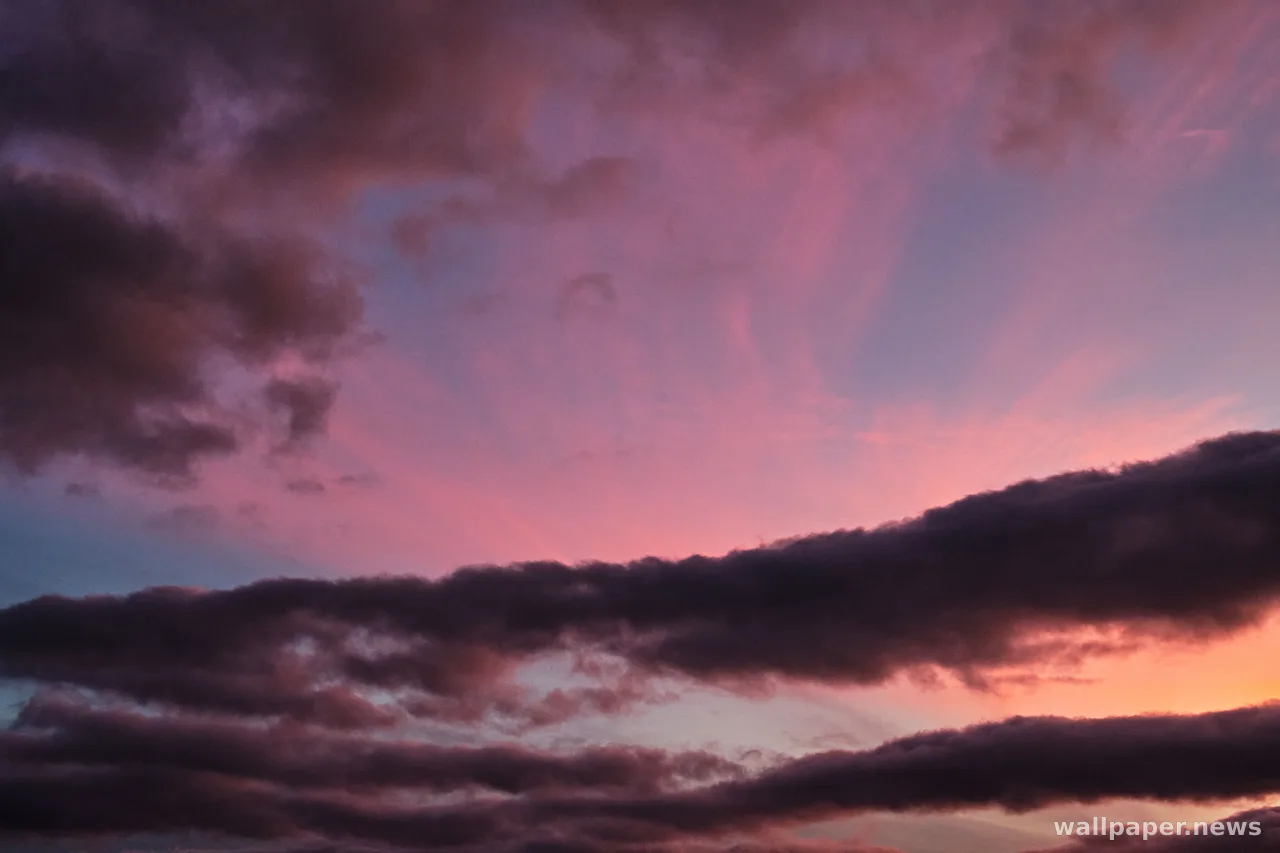
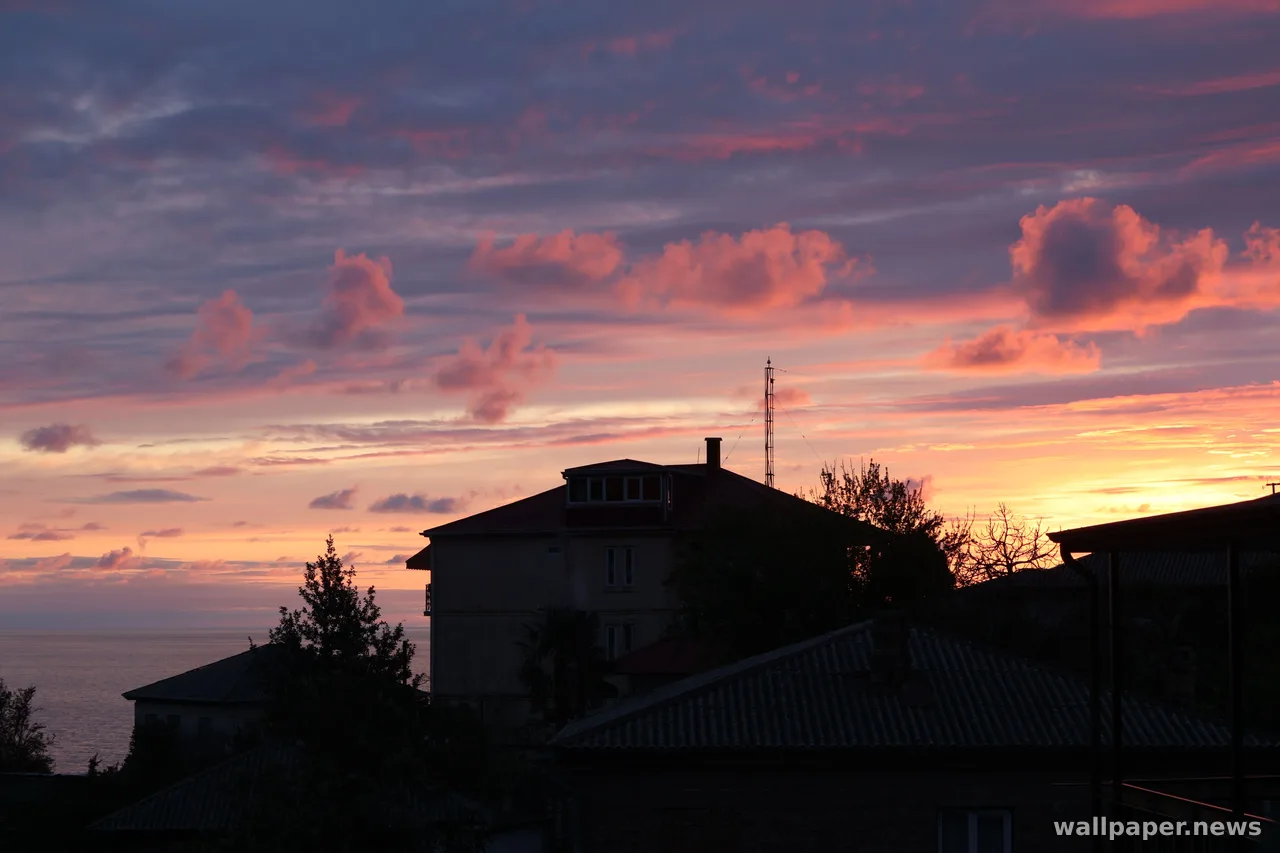
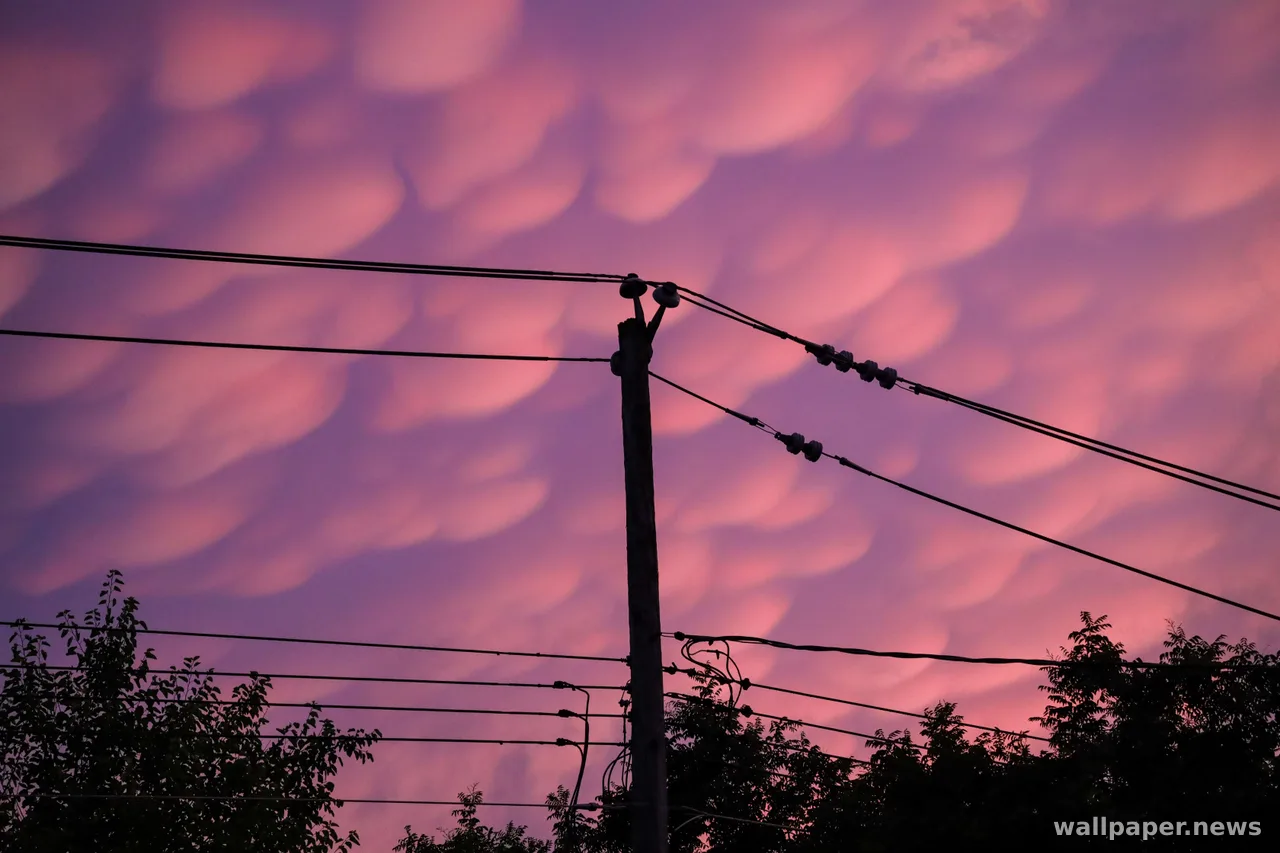
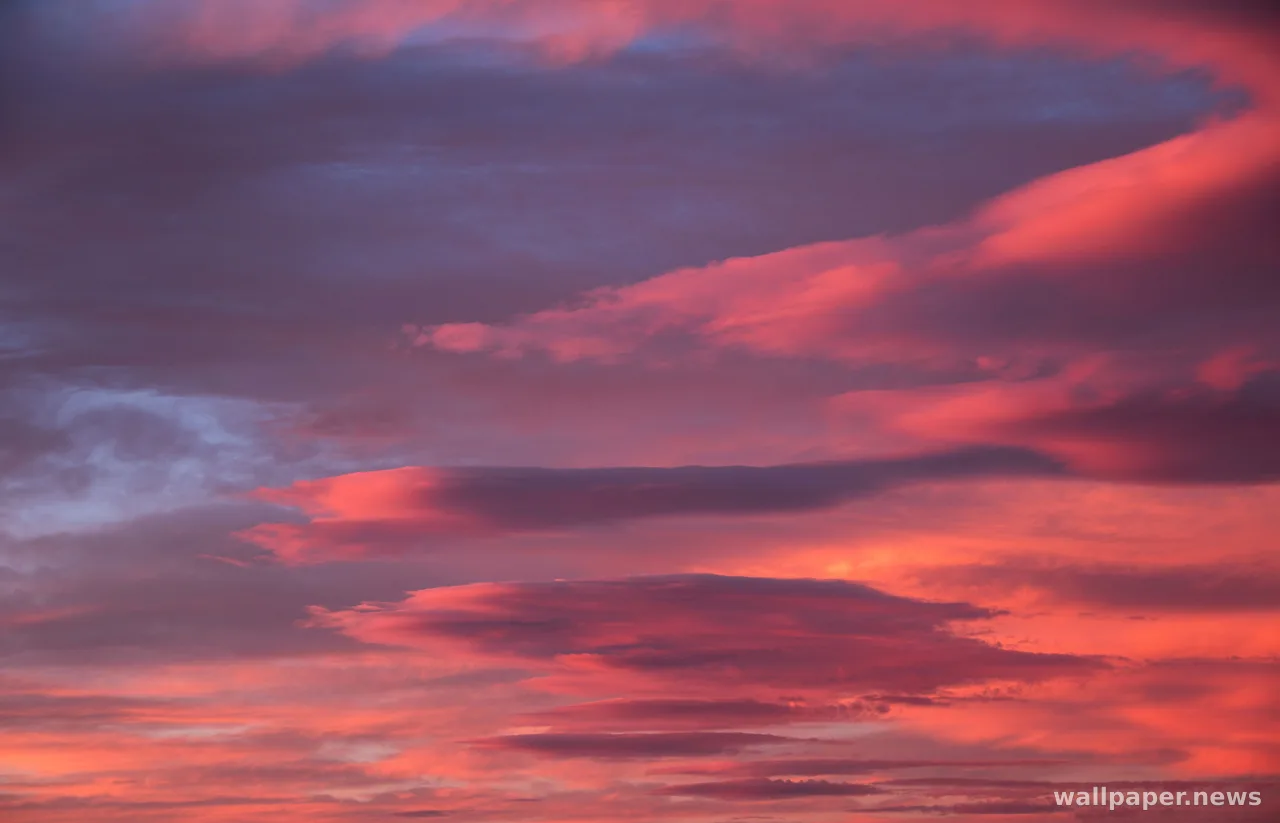
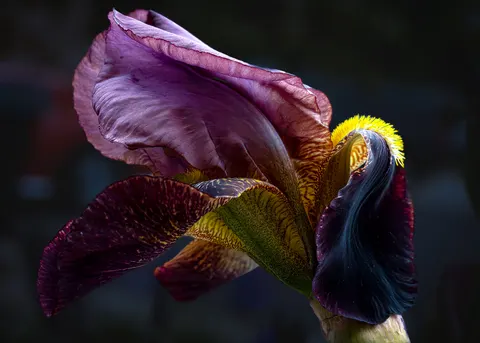
Late in the day the sun turns orange, and everything it touches goes with it. Whatever the sun misses is lit only by the sky, and the sky is blue. The two halves sit in the same photograph holding different temperatures, and the eye reads that difference before it reads the subject. A shadow on snow is not grey; it is blue, and it has been blue the whole time.
White balance is the camera being asked to pick a side. Set it for the sunlight and the shade sinks toward cobalt; set it for the shade and the light turns the color of a lamp left on in an empty kitchen. There is no neutral answer, only the setting that keeps the difference legible, usually somewhere between the two and slightly wrong on purpose.
On a screen the split becomes depth without anything actually being far away. Warm colors come forward, cool ones step back, and a wallpaper built on that line gives icons somewhere to sit. The cool side takes the folders; the warm side keeps the corner of the desktop you look at least.