Two Screens, One Picture
A wallpaper that has to cross a bezel is a different picture from one that only has to fill a frame.
A 16:9 photograph dropped onto a 32:9 monitor gets stretched or cropped, and neither result is kind to it. Ultrawide desks want something close to their native shape, roughly 3440x1440 or 5120x1440, and dual setups want the system set to span rather than fill, so one image is laid across both panels instead of copied twice. The seam between two monitors is the part nobody plans for: a few centimetres of plastic sitting exactly where the eye expects the middle of the picture.
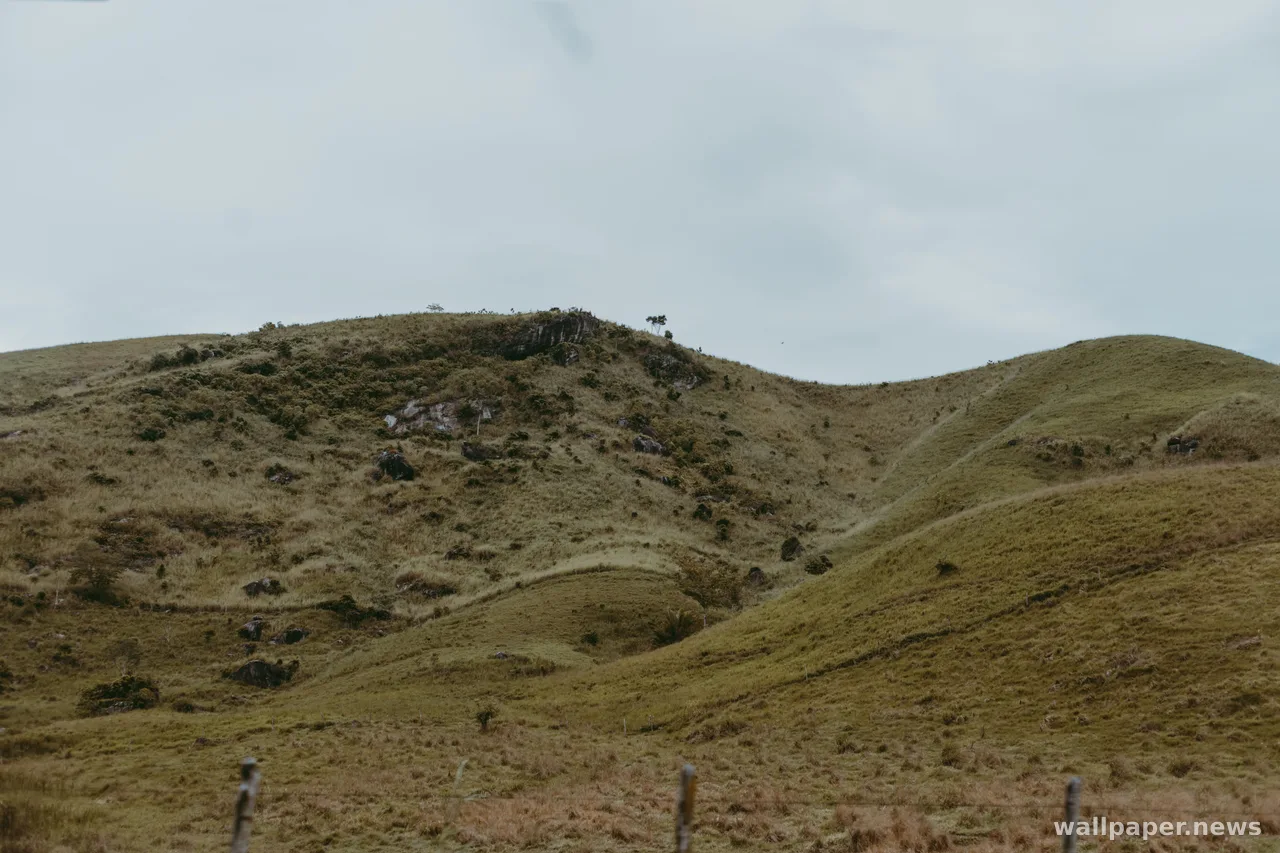
Some frames survive that stretch and some do not. Open horizons, fog, gradients, water read at almost any width, because they are made of continuity rather than of a subject. What fails is a single strong element parked dead centre, a lone tree or a lighthouse cut in half by the bezel. Push it into the left or right third and let the rest of the width be air; the gap then falls on nothing in particular.
The other constraint is furniture. Icons collect in the lower left, the taskbar runs along the bottom, and a window sits over the middle for most of the day. Wide format is generous about this, since it gives you a long middle where nothing has to happen. A wallpaper spanning two screens is rarely looked at directly anyway, which is the point: it stops being a picture and becomes the room you work in.