Forest Floor: The Level Nobody Stands At
Below the knee the woods keep a second landscape — roots, moss, last autumn's leaves, and light that has already been filtered twice.
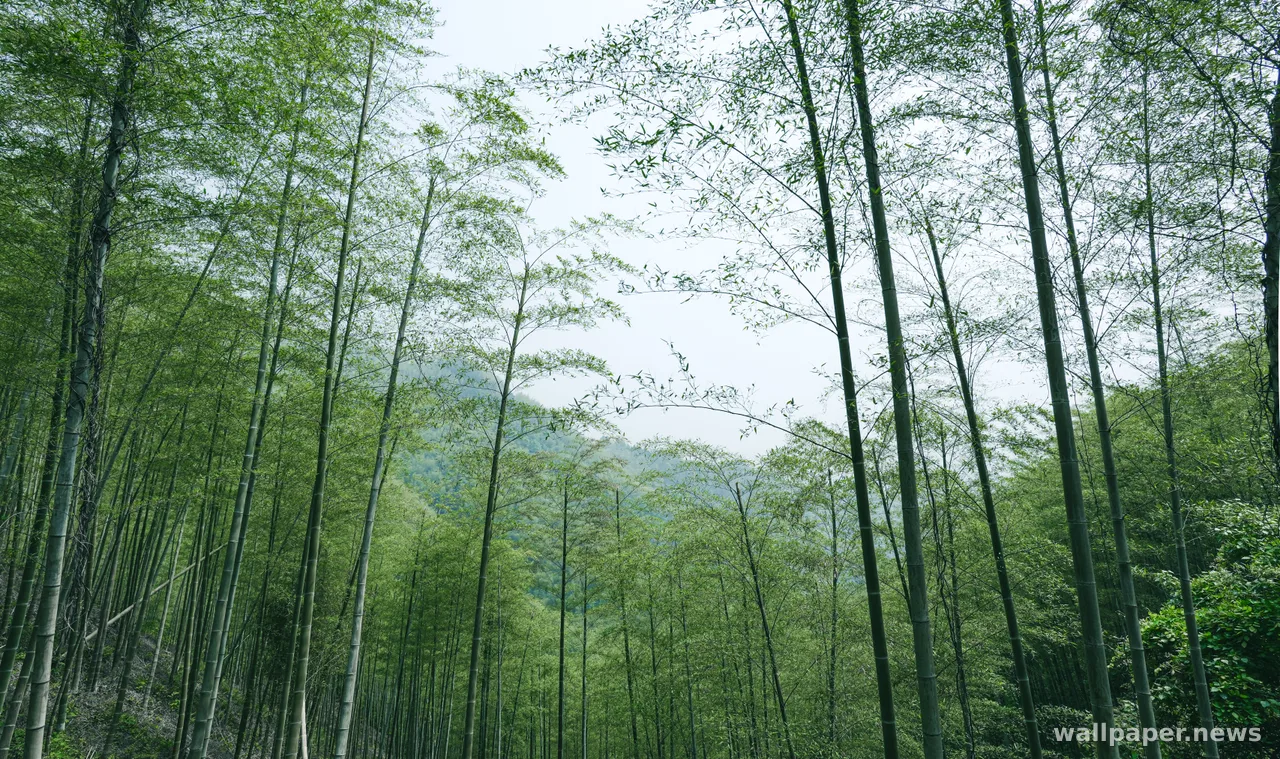
Most forest photographs are taken from about one metre sixty, or tilted up at the canopy. Drop the tripod to ankle height and the same patch of wood becomes another country: roots crossing each other like handwriting, a leaf that has been lying in the same spot since October, a small fungus growing on the shaded side of a fallen trunk. Nobody stands at this height, which is exactly why it still looks unfamiliar.
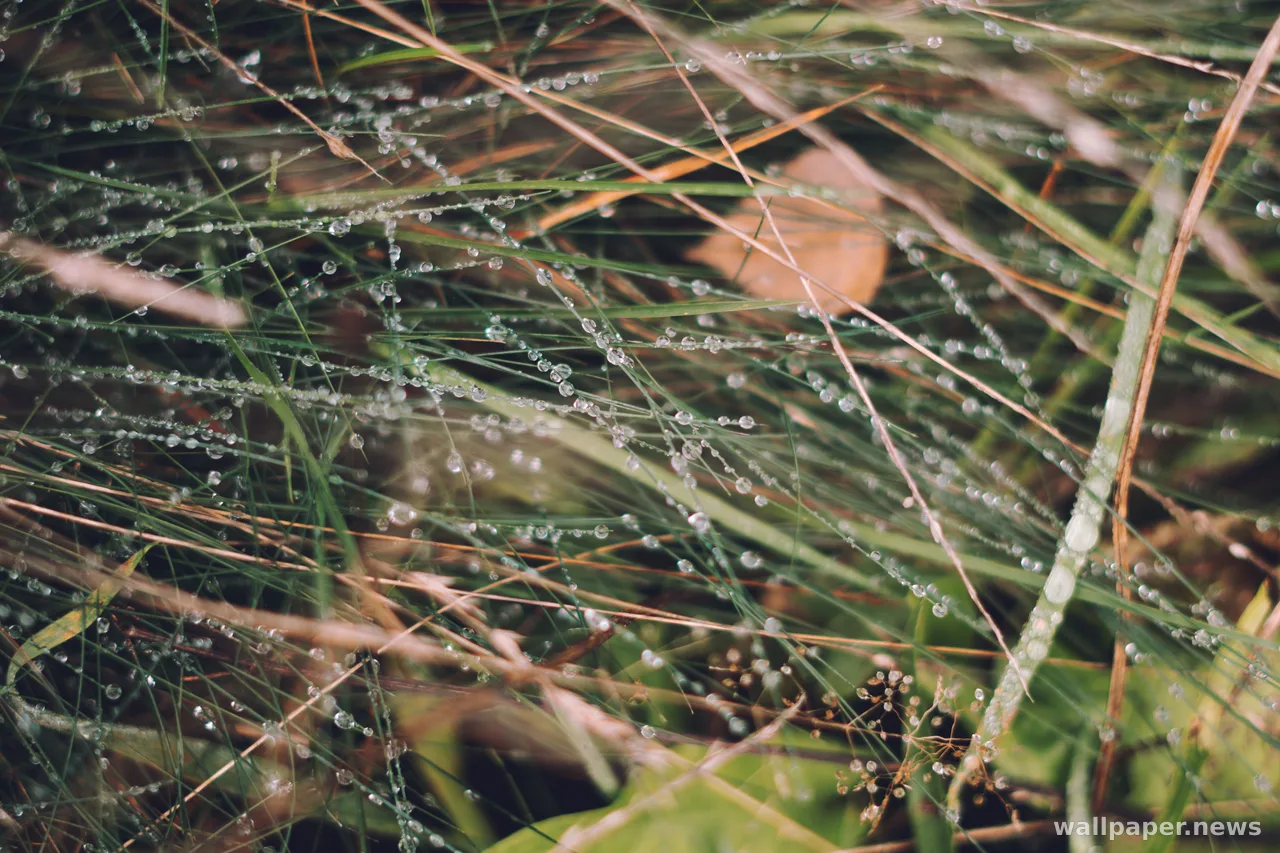
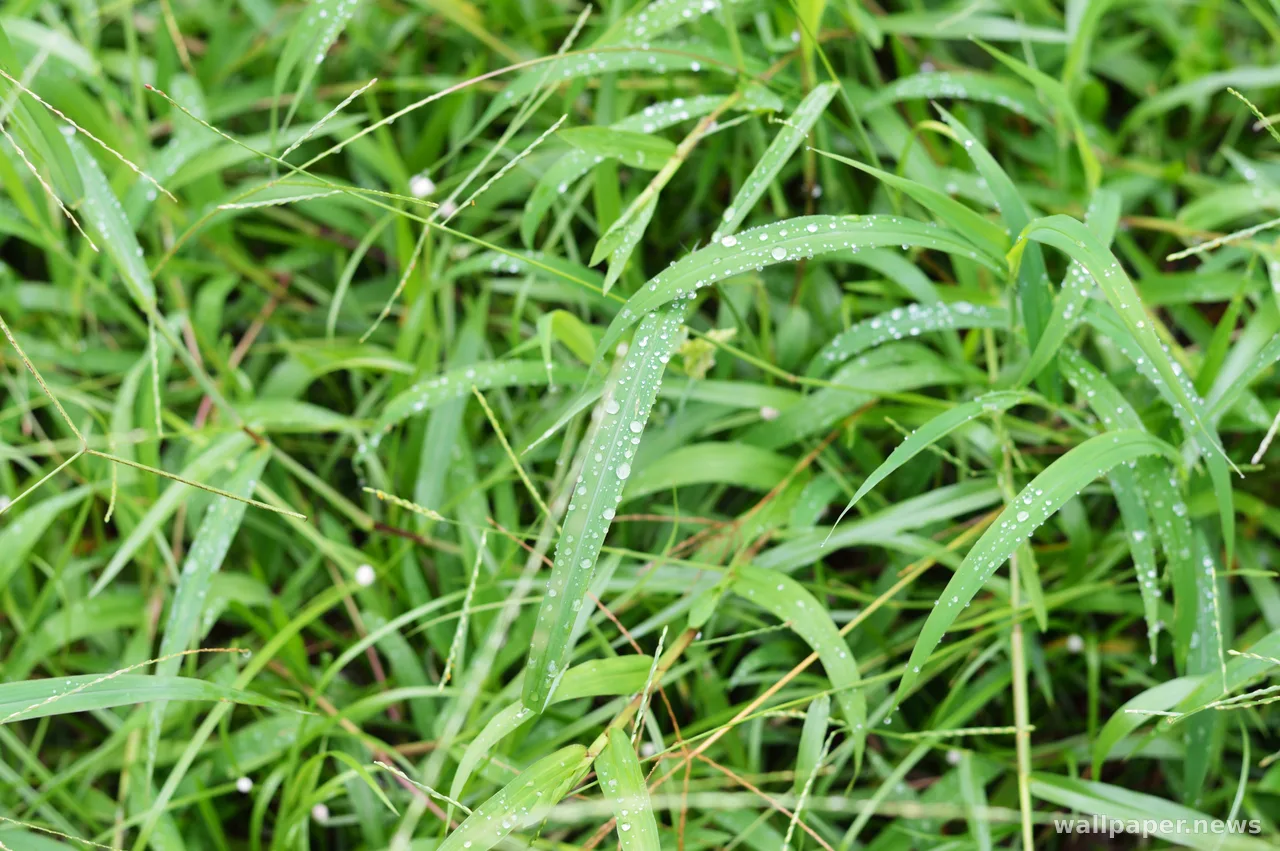
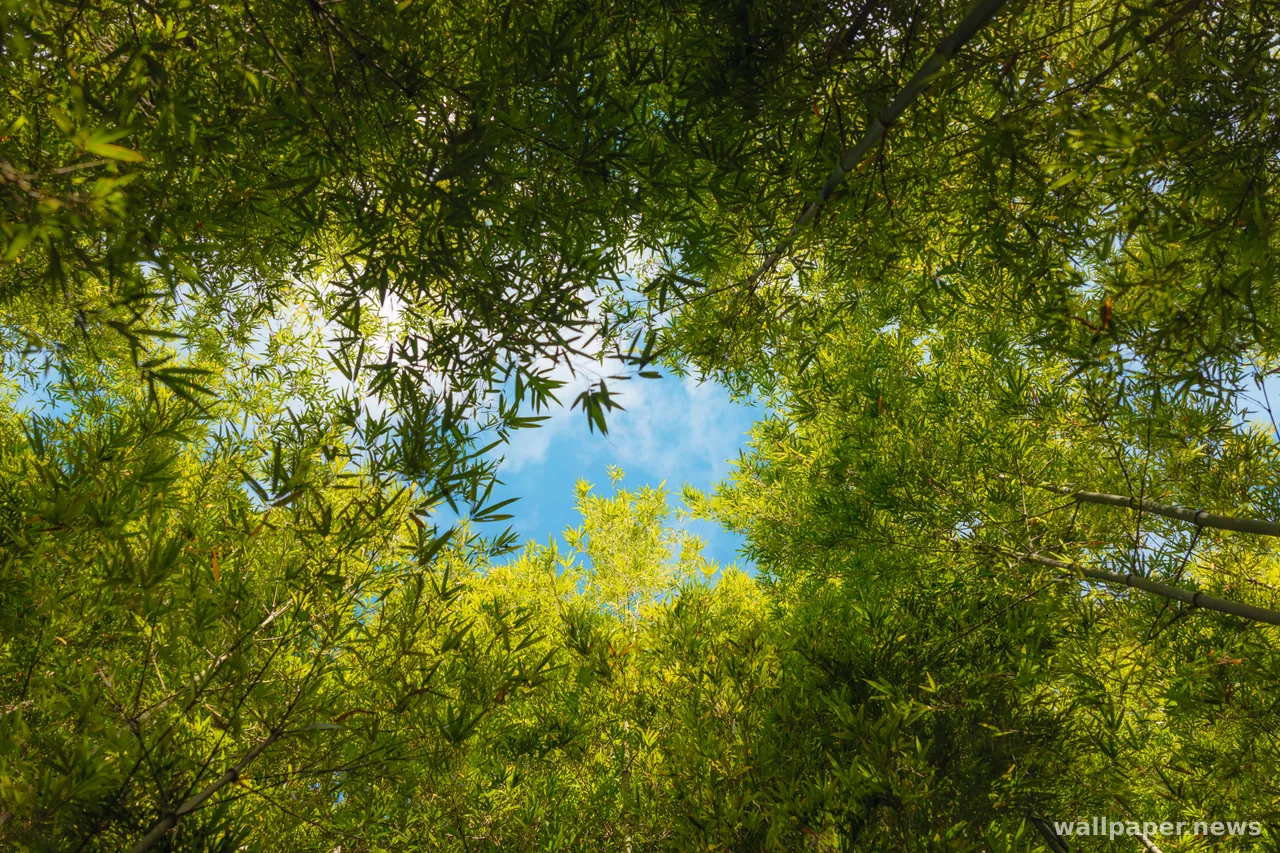
Light arrives here secondhand. The canopy takes the first cut, the undergrowth takes the second, and what reaches the moss is soft, green and slow — so the shutter stays open longer than it would three metres higher up. Wide open apertures thin the depth of field down to a few millimetres, enough to hold one wet frond sharp while the rest of the forest turns into a green blur. Rain is an ally: wet moss deepens its colour, and every drop becomes a small lens with the trees upside down inside it.
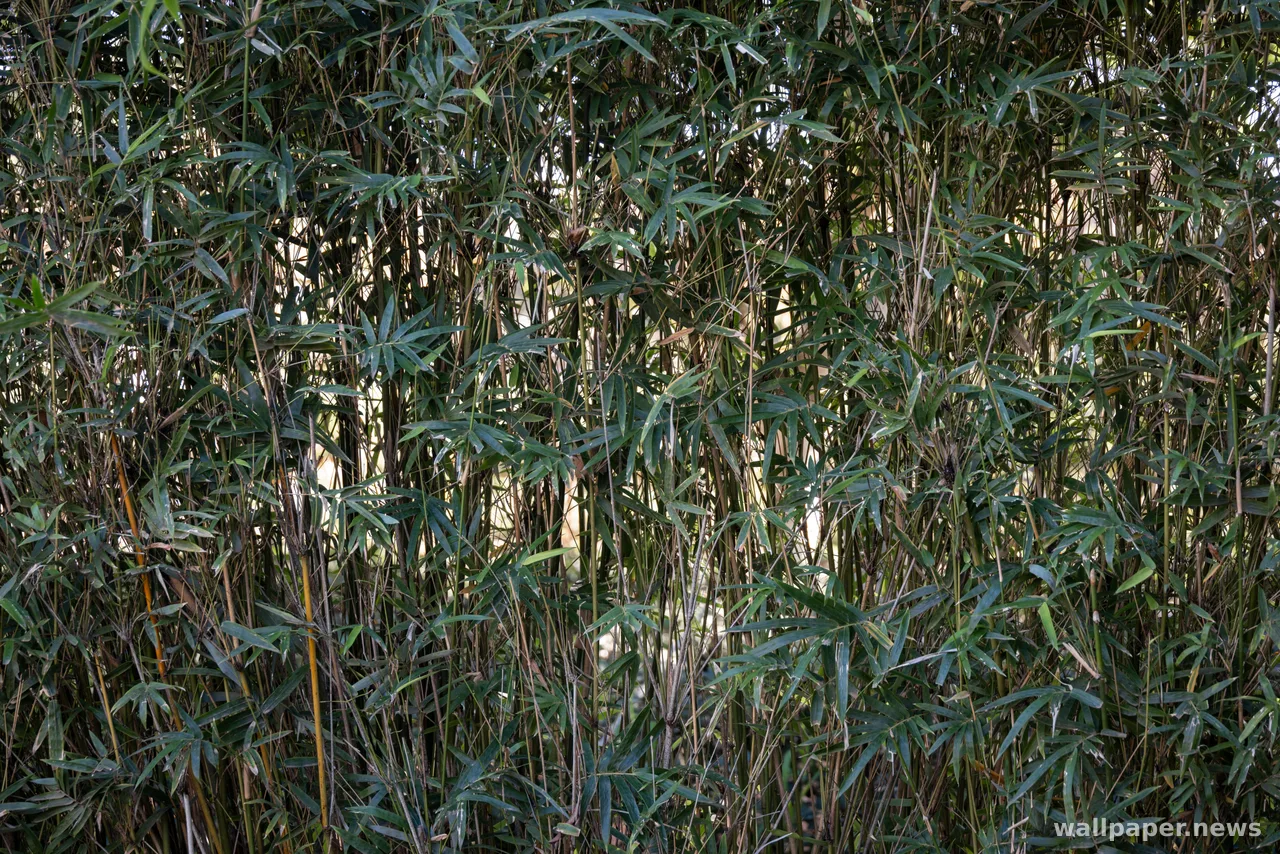
On a screen this kind of picture behaves well precisely because it has no horizon and no hero. Texture runs to all four edges, nothing in the middle demands to be looked at first, and icons can sit anywhere without landing on somebody's face. It is a landscape that asks nothing of you — which, after eight hours of windows, is a reasonable thing to want from a wallpaper.