Structural Colour: Blue Without Any Blue in It
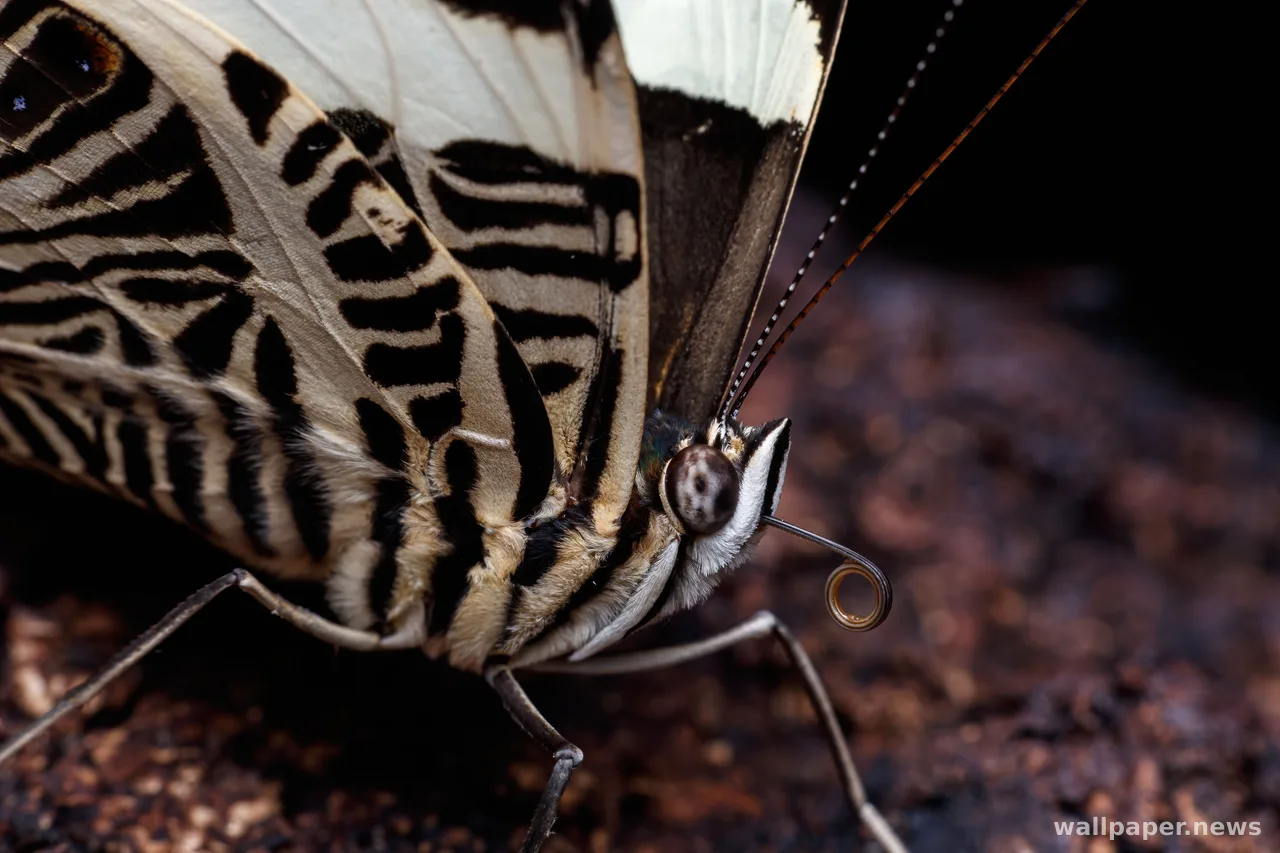
A morpho wing, a beetle's back, the neck of a pigeon. None of them contain the colour you are looking at.
Pigment works by absorption: it swallows most of the spectrum and hands back what is left. Structural colour works by interference, with ridges and layers a few hundred nanometres apart that cancel some wavelengths and reinforce others. Grind a blue butterfly wing to powder and the powder is brown, which is the whole argument in one experiment.
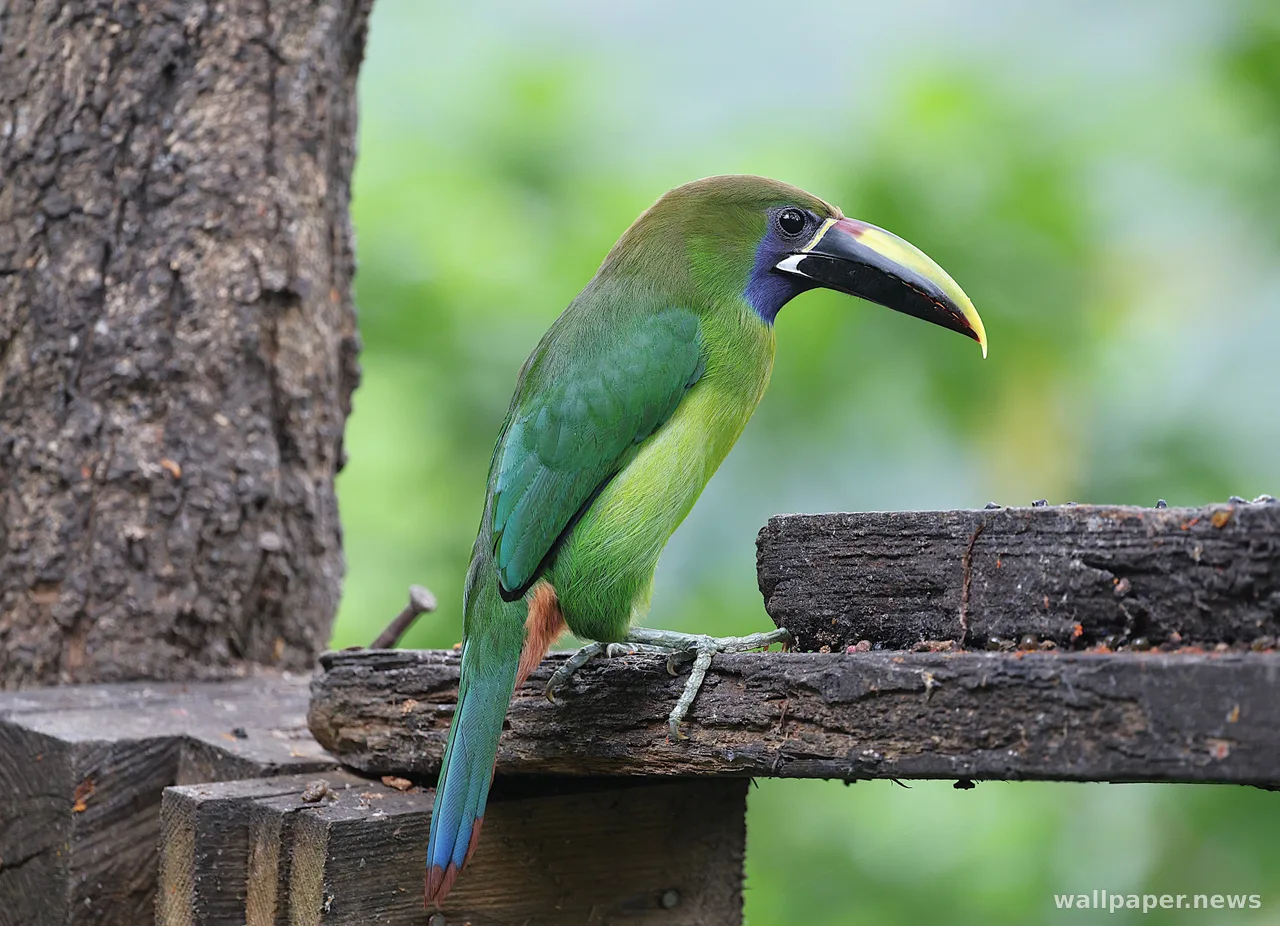
Because the effect depends on angle, the colour moves. Tilt the beetle and the green slides toward bronze; step around the pigeon and the neck runs from violet to copper without the bird doing anything at all. Photographing it is a matter of where the light comes from rather than what the sensor is set to, and the usual reflex of adjusting white balance only pushes the whole frame somewhere it should not go.
Screens make the colour the same way, in their own fashion: nothing on a display is pigment either, only light arranged to arrive in a particular proportion. A wing shot at the right angle sits comfortably in that arrangement, which may be why these pictures look almost too saturated and still read as true. They are one of the few subjects a screen does not have to translate.