In Fog, a Light Grows a Body
On a clear night a streetlamp is a point. Add water to the air and it becomes a shape with edges you could walk into.
Droplets scatter light in every direction, so a lamp stops being a source and becomes a lit volume, roughly a cone if there is a shade above it and a sphere if there is not. Fog also shortens the distance the eye can hold, which turns a street into three or four separate rooms, each with a lamp of its own. What was a corridor becomes a sequence.
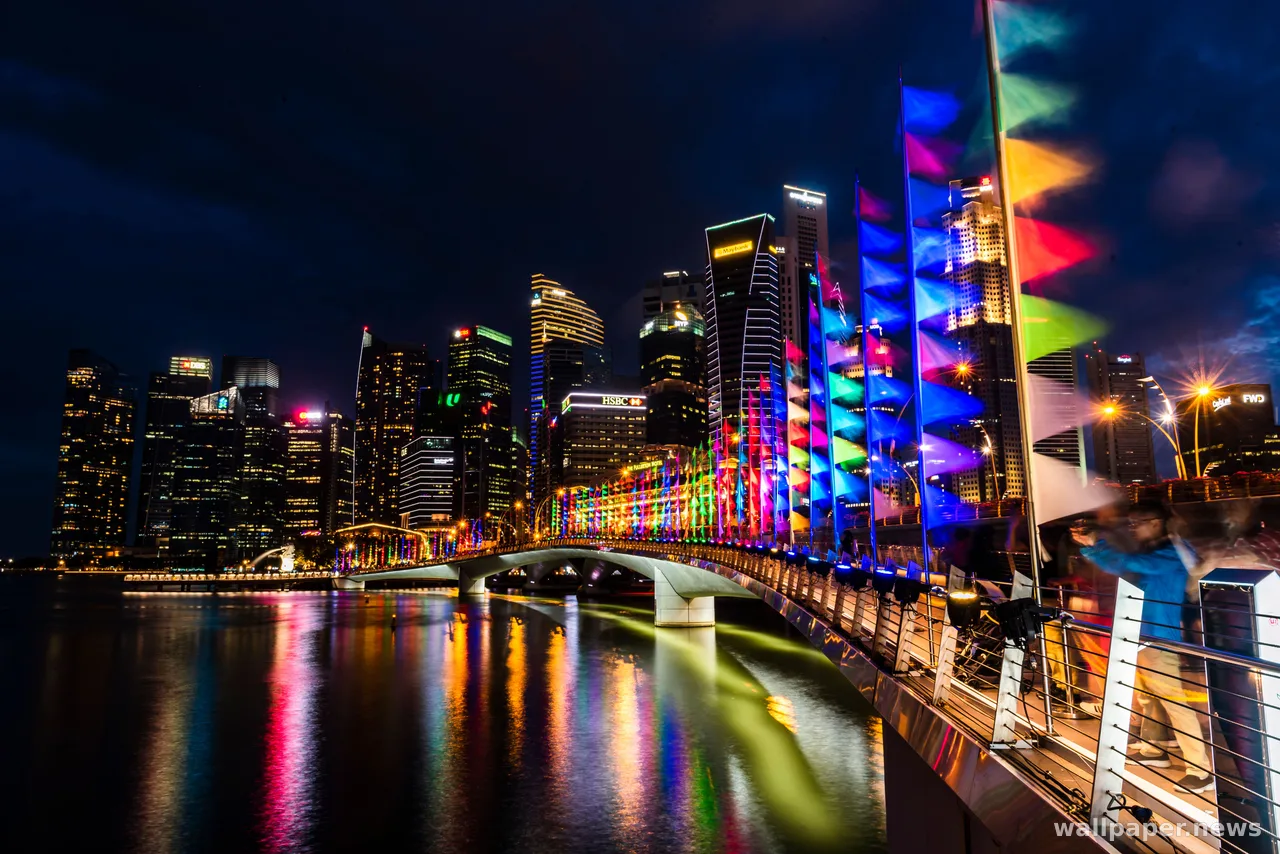
Photographing it means giving up on detail early. The subject is the beam rather than the object, and anything sharp in the frame only argues with the softness that made the picture worth taking. Standing at an angle to the light rather than under it gives the cone a visible edge, and a long exposure quietly gathers what a short one leaves as a smudge.
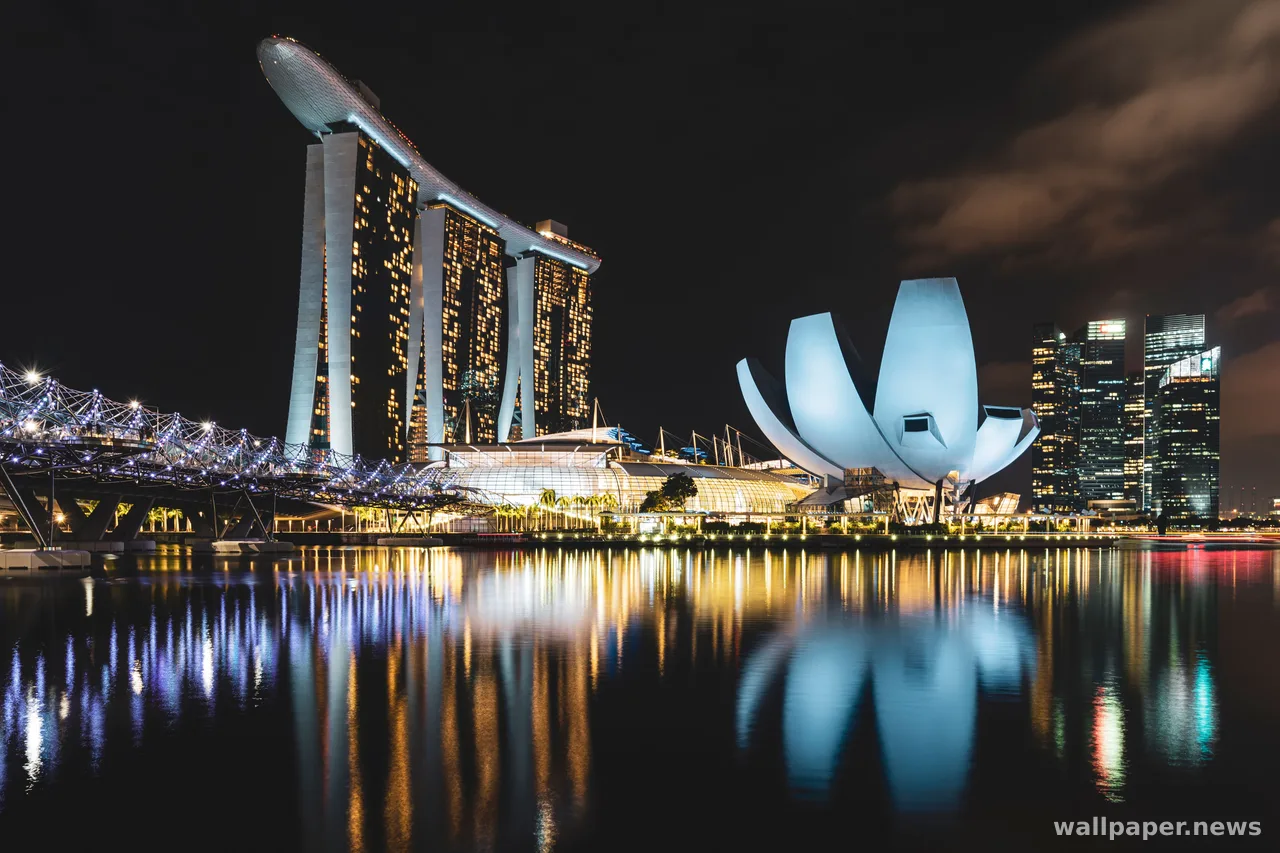
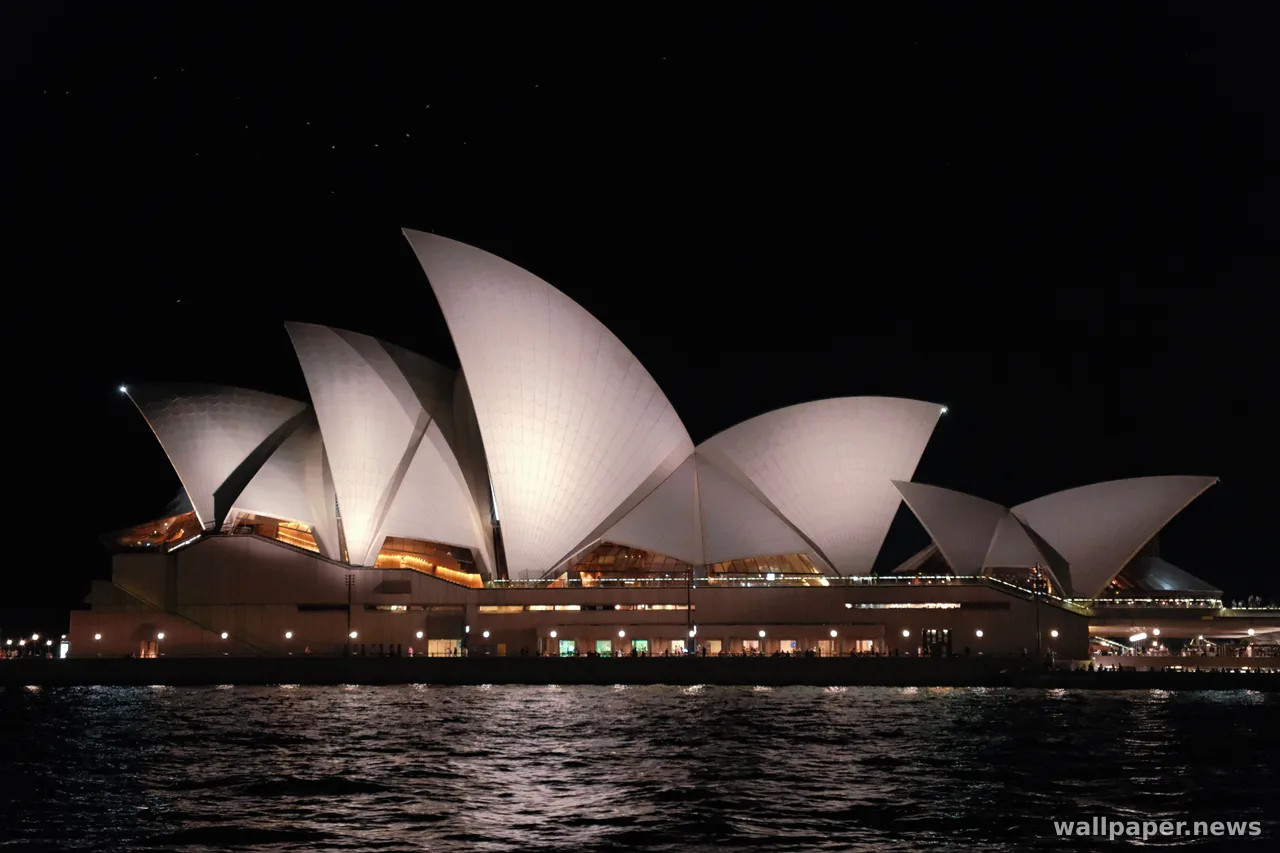
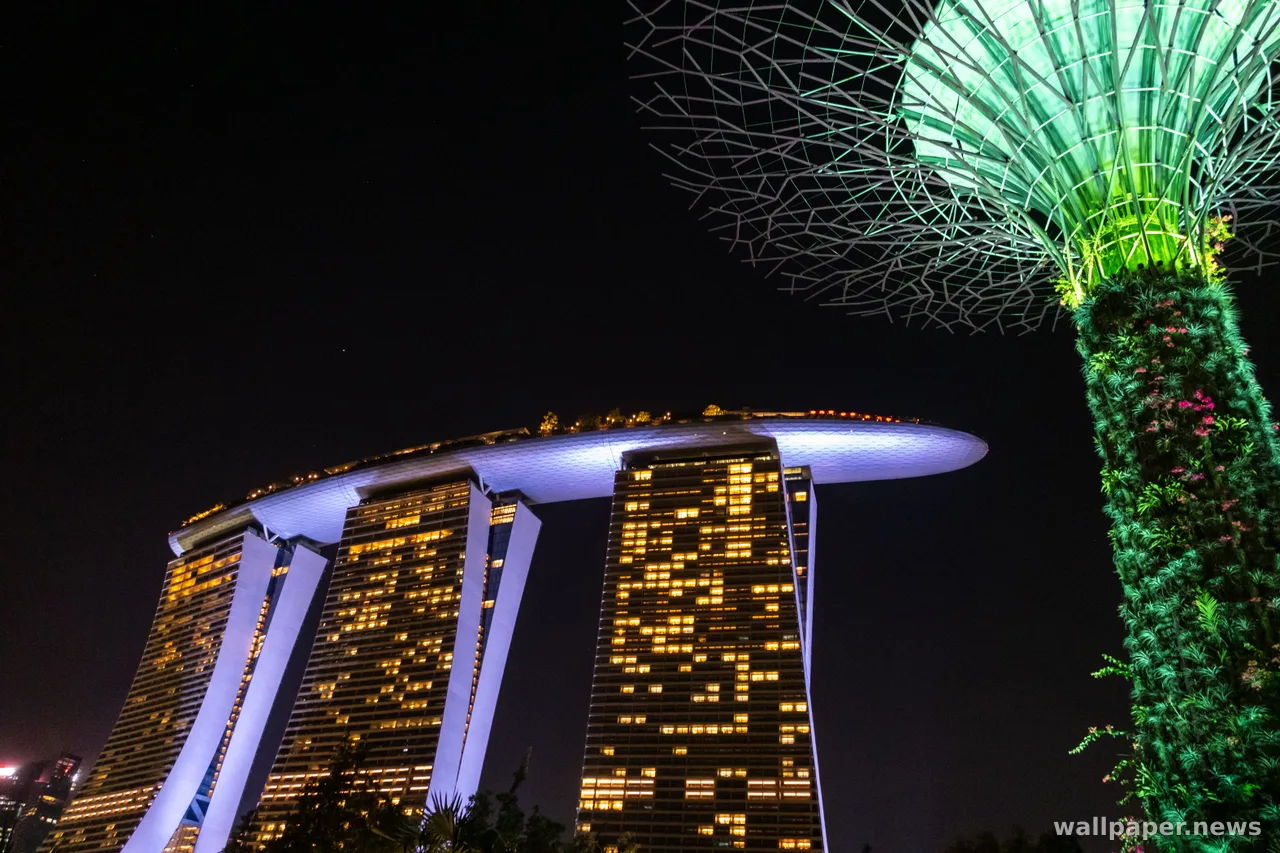
The result carries well onto a screen because it is mostly dark, with light collected into a few soft masses instead of scattered points. There is no fine texture to lose at small sizes and nothing to compete with what sits on top. It is the rare night picture that stays readable at the brightness people actually use.