What Dark Mode Asks of a Wallpaper
Once the interface goes dark, the picture behind it is the only large thing on the screen still giving off light.
Dark mode is usually adopted for the sake of the eyes at night, and then undone by a bright wallpaper. Windows and panels drop to near-black while the background stays at the brightness of noon, so the desktop ends up with more contrast than it had before, not less. The mismatch shows most in the moment you close the last window.
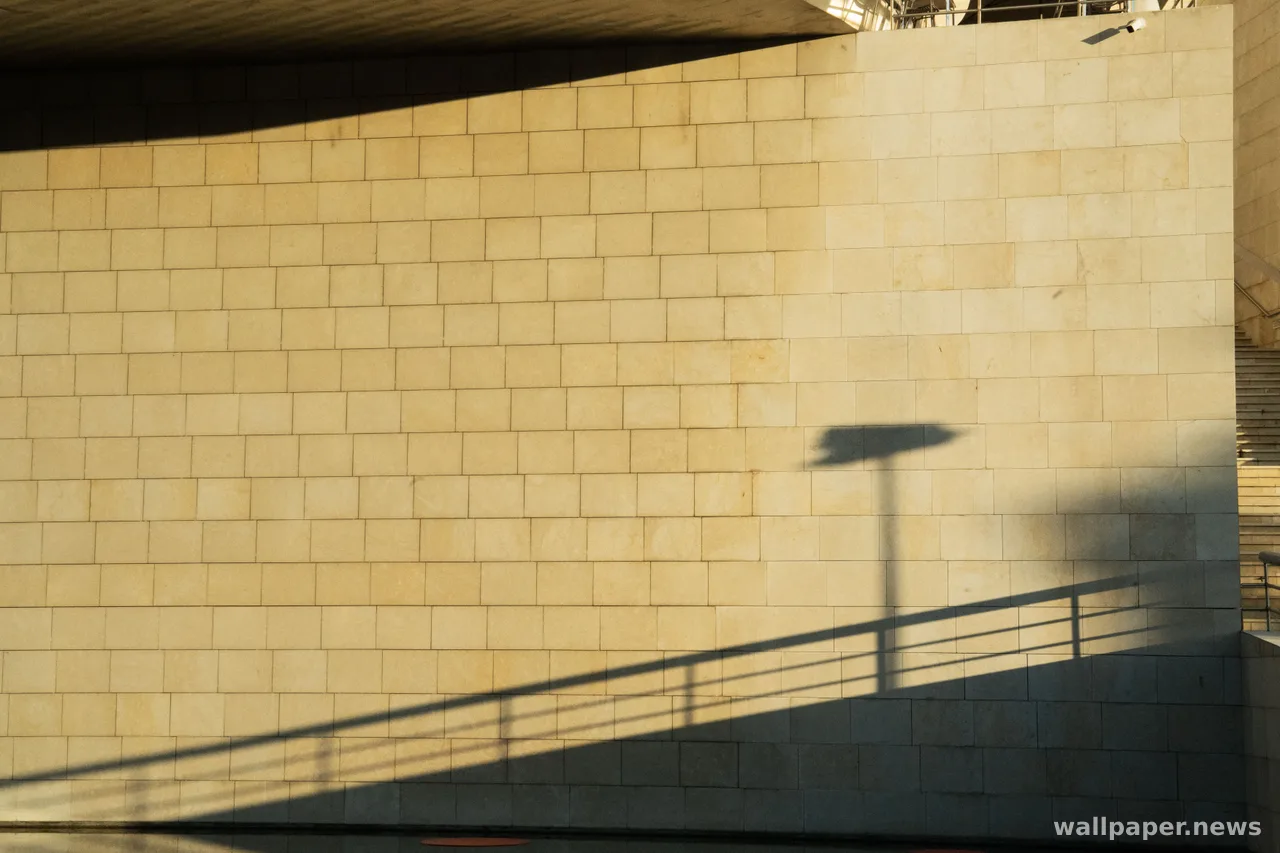
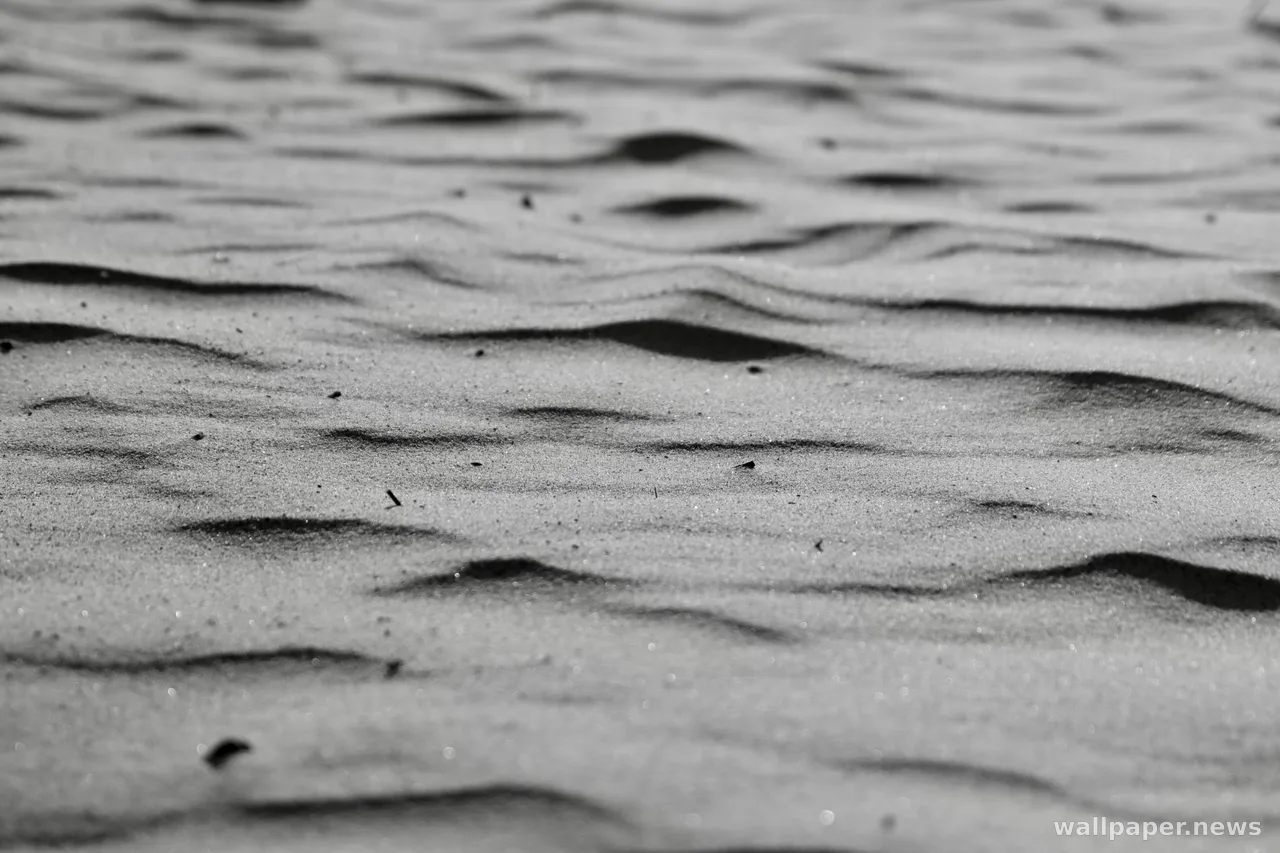
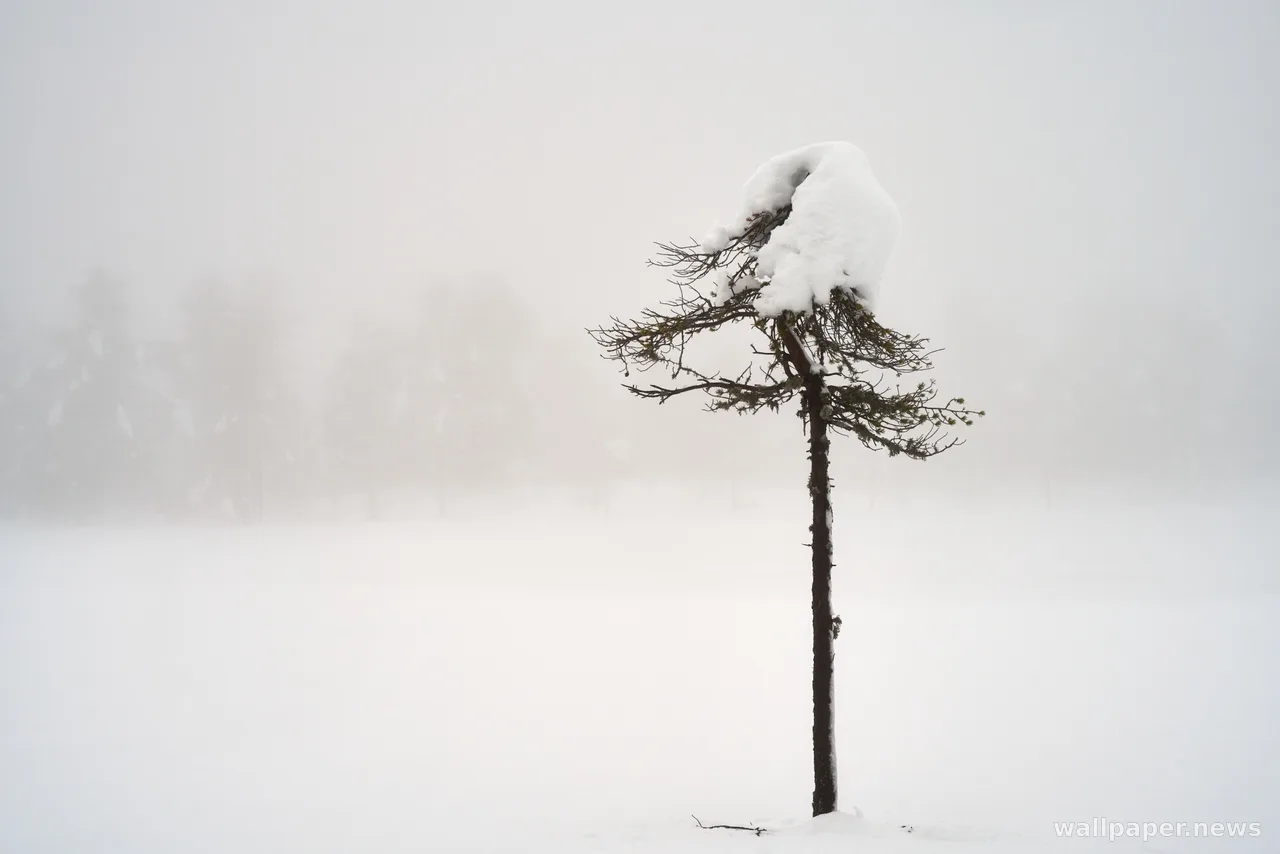
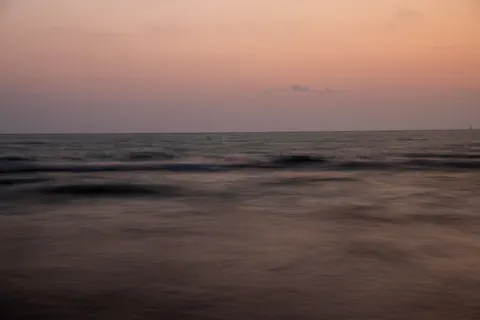
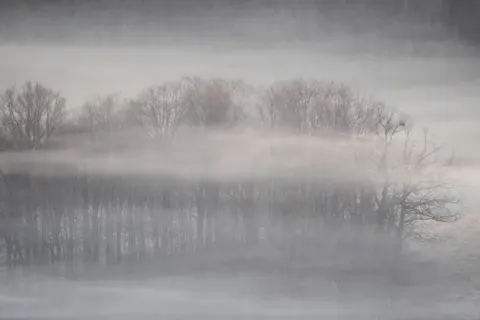
The useful measure is the picture's average brightness rather than its subject. A night street, a dim forest, a monochrome study or a deep gradient all sit close to the interface and let the eye move without a jump. What rarely works is a picture that is mostly sky, since even an overcast sky is far brighter than any dark panel it has to sit next to.
It helps to keep a small amount of light in the frame anyway, so the screen does not turn into a flat rectangle of grey. One lit window, one reflection, one pale ridge is enough to give the image somewhere to go. Dark mode does not ask for a dark picture so much as for one that has already been to the same place the interface went.