Dawn or Dusk: Can a Photograph Tell?
The sun sits at the same low angle twice a day, and a still image rarely admits which end of the day it came from.
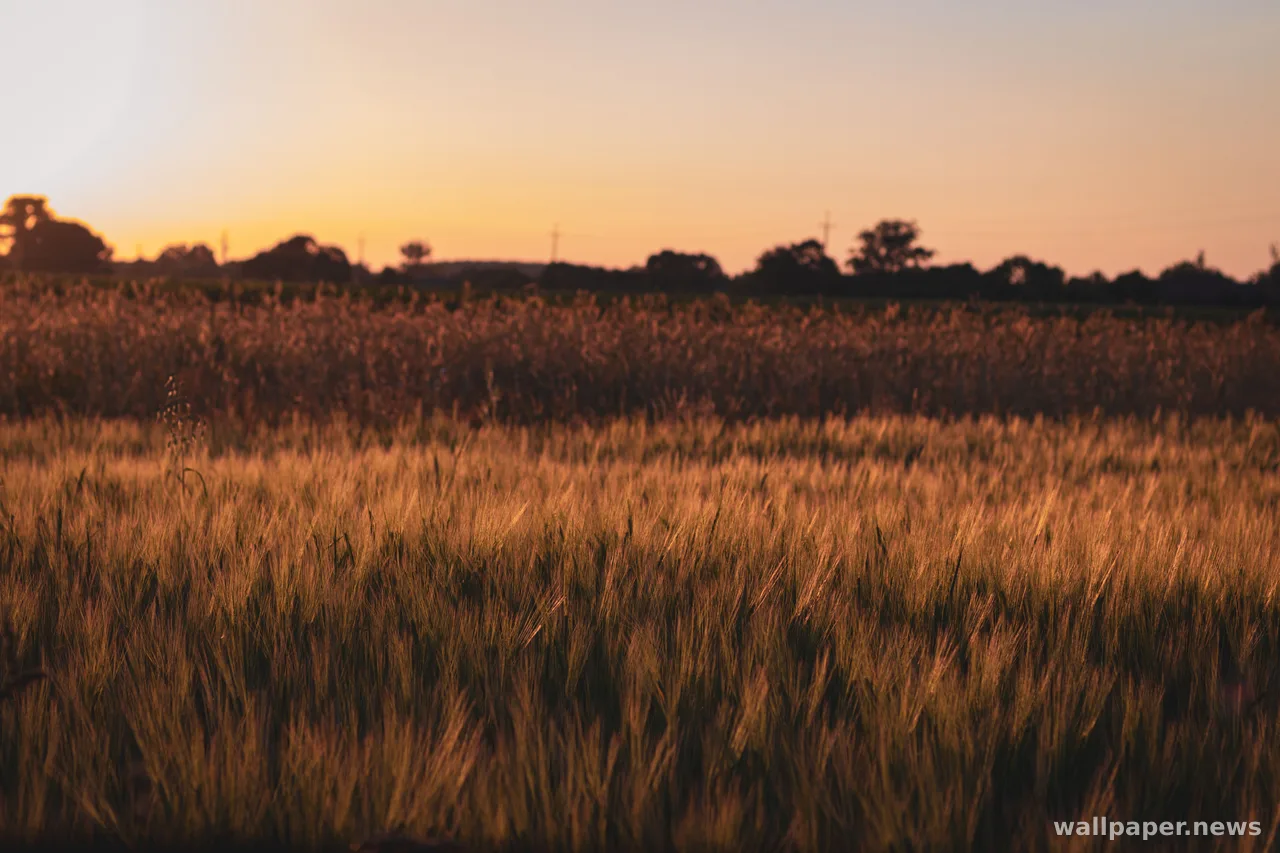
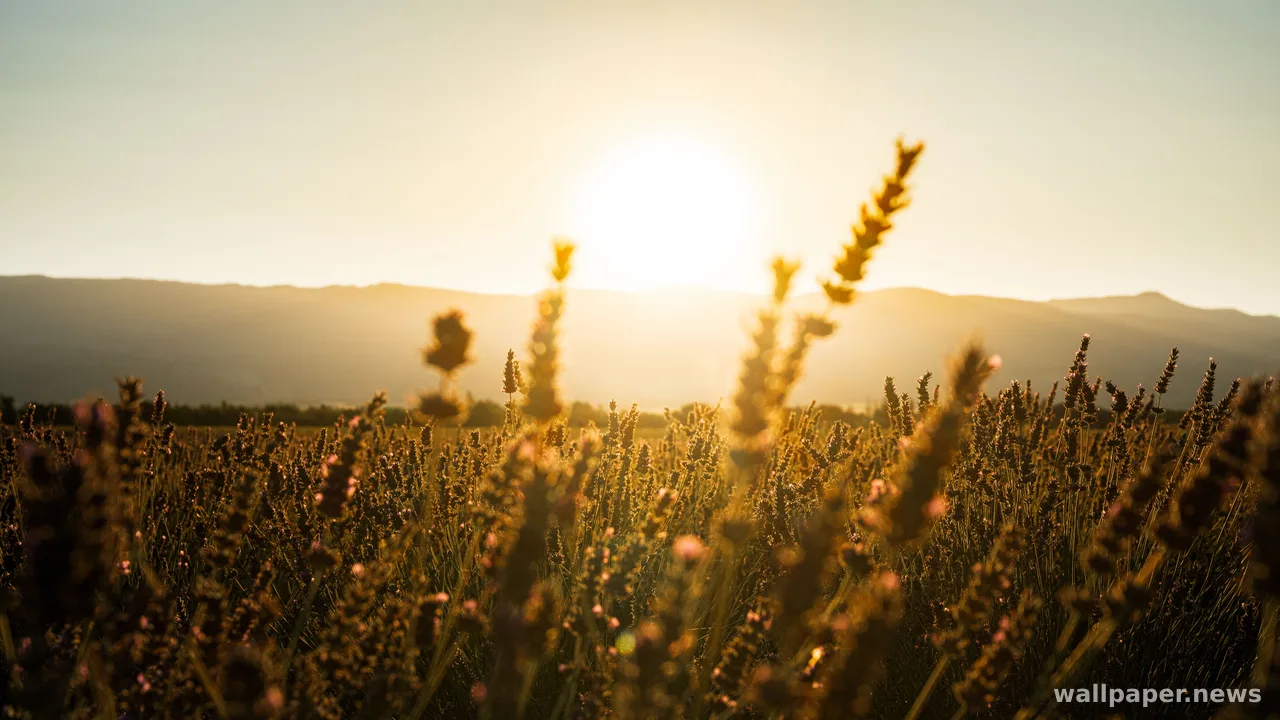
Geometrically the two hours are near twins. On any given day the sun crosses the horizon at the same angle in the morning and in the evening, so the length of the shadows and the warmth of low light repeat themselves almost exactly. Photographers have long known that a sunrise shot labelled as a sunset rarely gets corrected, and most wallpaper collections mix the two without anyone noticing.
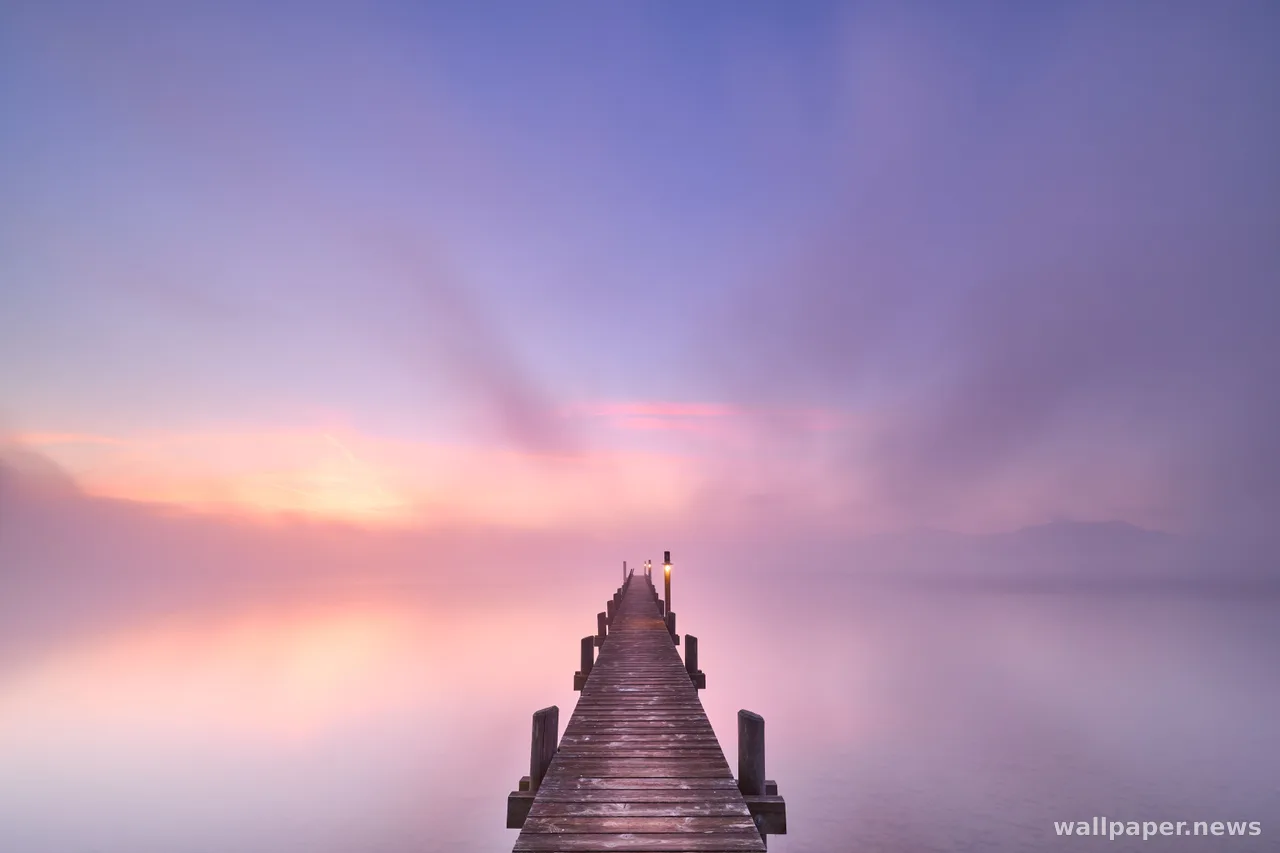
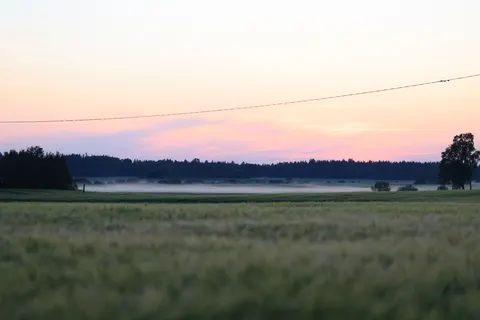
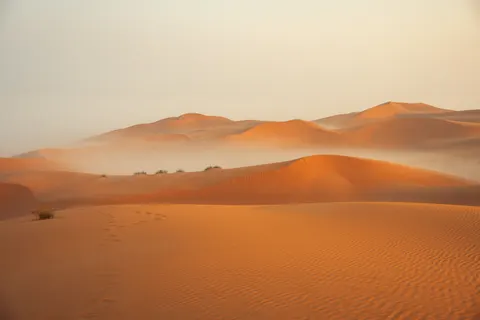
The clues sit in the air rather than in the sun. After a clear night the ground has cooled and the lower air is often calm, so mornings bring valley mist, dew on the grass and lakes flat enough to hold a reflection. Evenings follow a day of heating, wind and traffic that lift dust and haze, which is part of why sunset skies more often run to deep orange and red while sunrise looks paler and a little cleaner. Then there are the small tells: streetlights still on, empty roads, a layer of frost nobody has walked across yet.
None of this is certain, and a hazy morning or an evening rinsed by rain can swap the signs completely. Whether the light is arriving or leaving is something the viewer brings to the picture, so the same frame can feel like a beginning at eight in the morning and like an ending at six. For a screen that gets opened at both hours, that uncertainty may be the most useful thing a photograph can offer.