Setbacks: why old towers step back as they rise
The wedding-cake skyline of New York was not a style at first; it was a rule about sunlight, drawn as a slope.
Look at the Empire State Building or many towers of its generation and the outline narrows in stages, like a stack of boxes each a little smaller than the one below. Those steps are called setbacks, and they began less as taste than as law. In 1915 the Equitable Building rose straight up from its lot in lower Manhattan and left a shadow often described as nearly seven acres, and the city answered with its 1916 Zoning Resolution.
The rule imagined a sloping plane rising from the middle of the street. A building could go straight up to a height tied to the street's width, then had to step back behind that plane, again and again, until only a tower covering a quarter of the lot was left free to climb without limit. In the 1920s the illustrator Hugh Ferriss drew this maximum envelope as dark, carved masses, and architects began to treat the steps as something to design with rather than a constraint to hide. When New York rewrote its rules in 1961, trading height for open plazas, the stepped profile gave way to plain slabs.
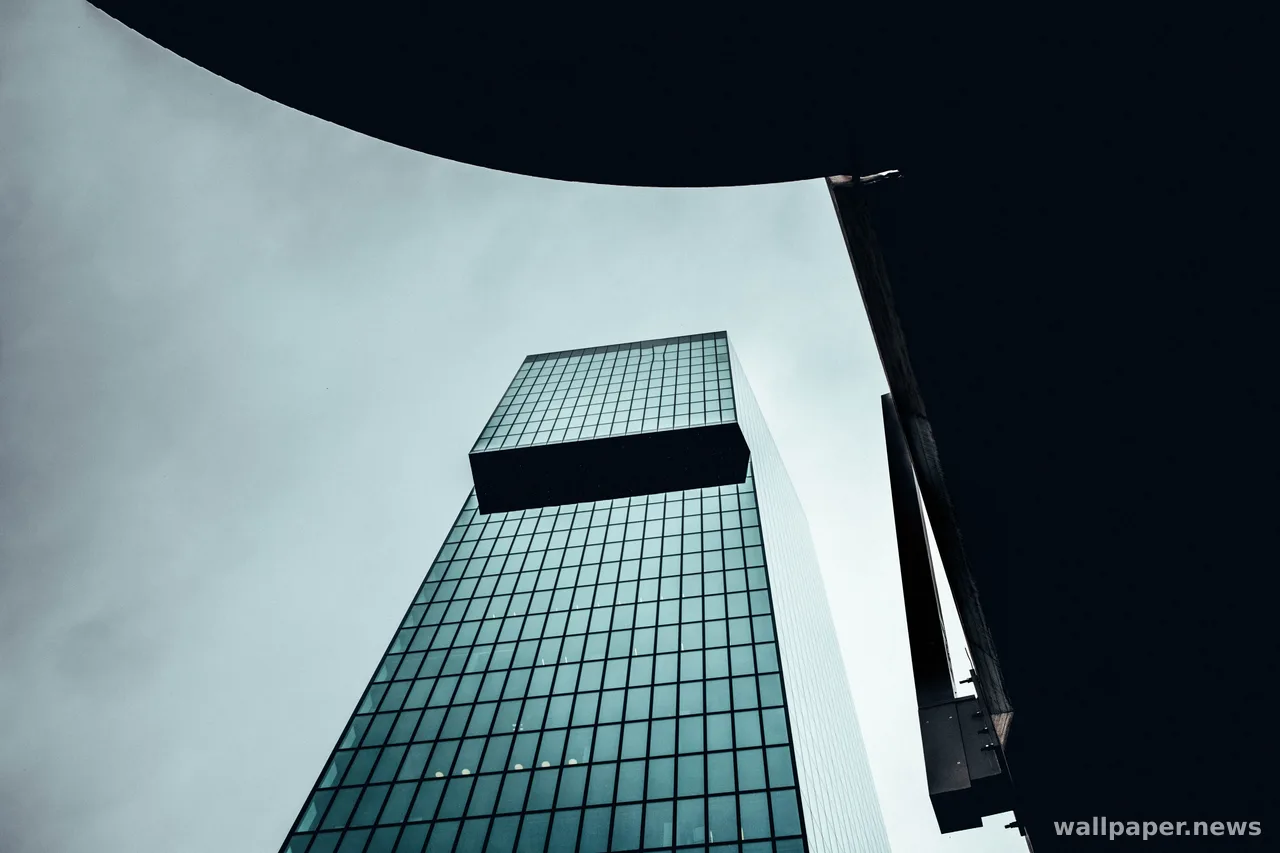
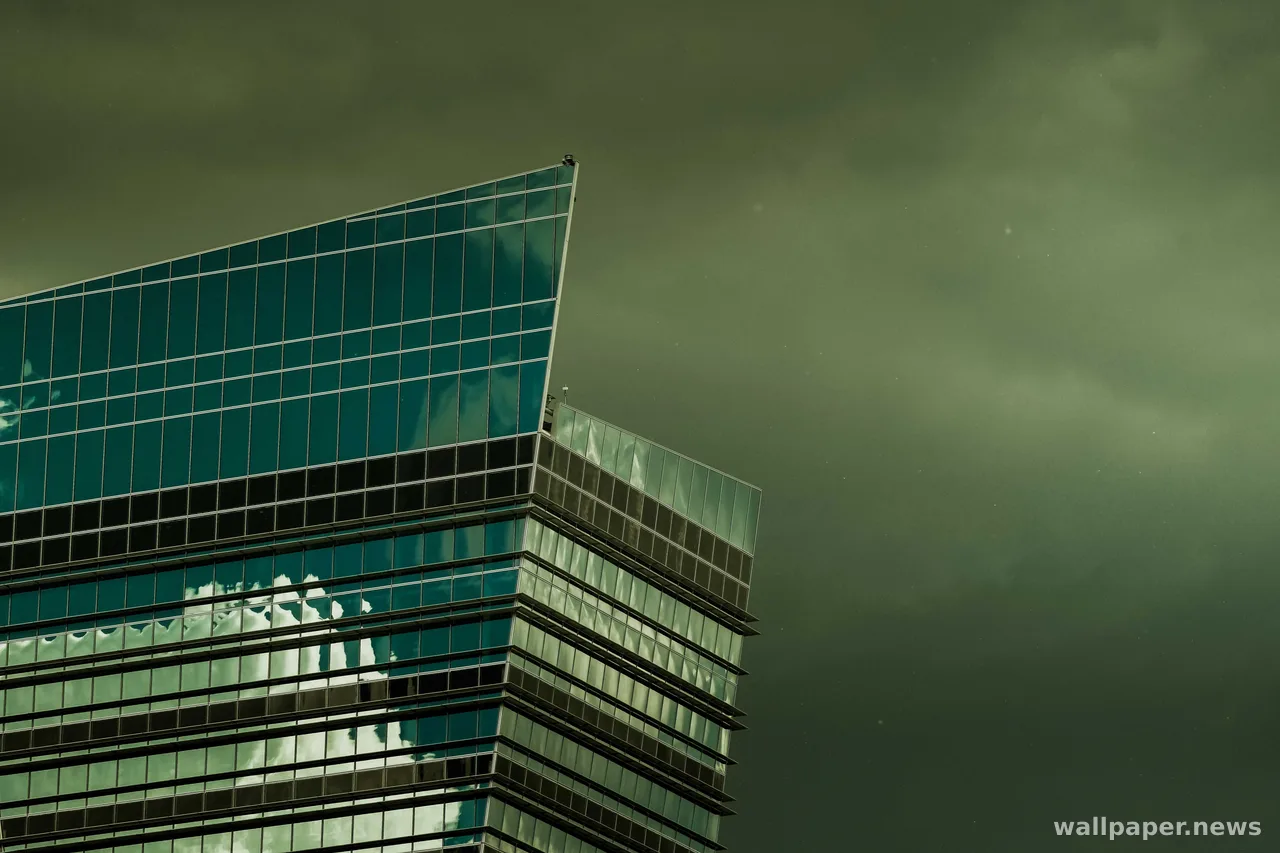
In photographs the setbacks are easiest to read at low sun or against a pale sky, when each ledge catches its own band of light and the top of the tower turns into a series of thin horizontal lines. That rhythm gives a city image a clear vertical spine with plenty of open sky around it, a steady arrangement for a desktop. Seen that way, the steps still do the job they were written for, leaving room for light.