Belt of Venus: the pink band on the other side of the sky
Just after sunset, the best colour is often behind you, in a soft stripe over the eastern horizon.
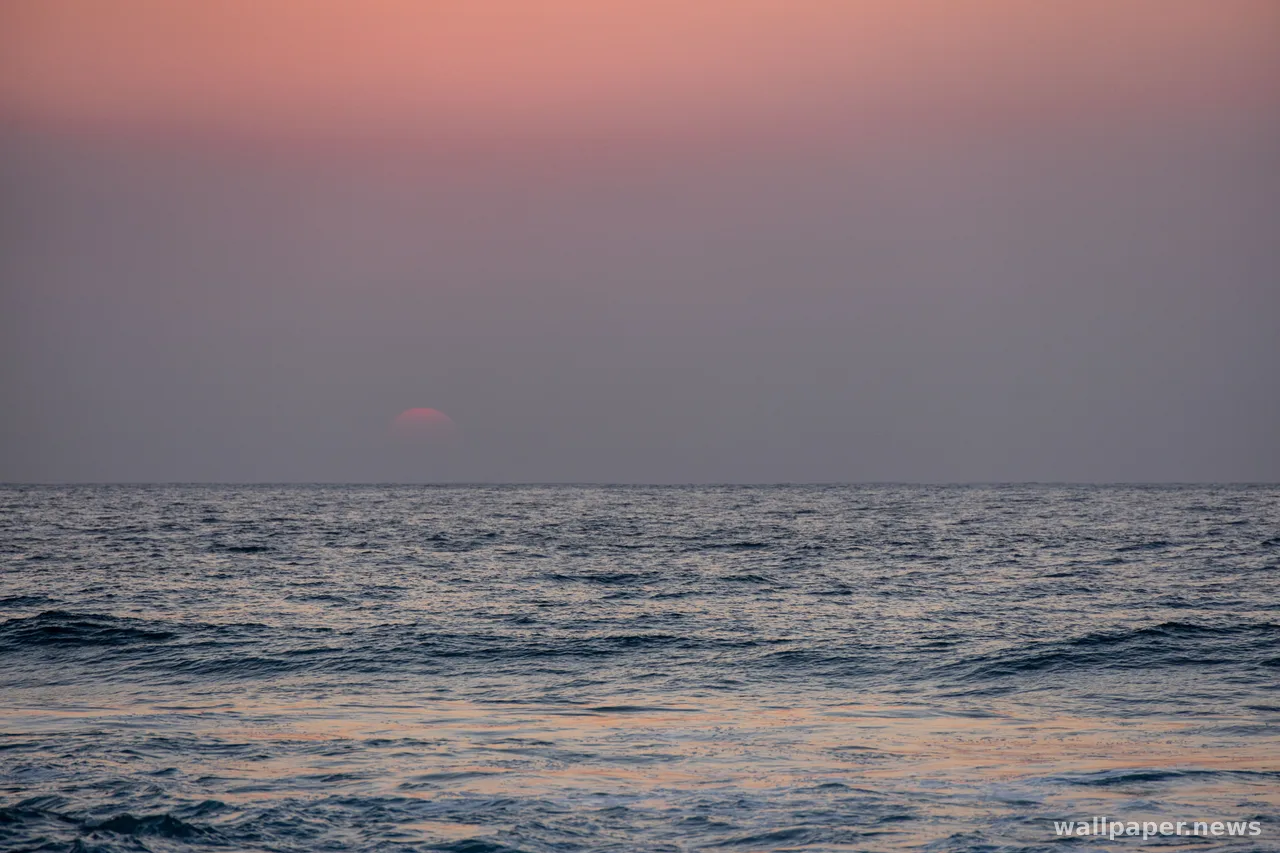
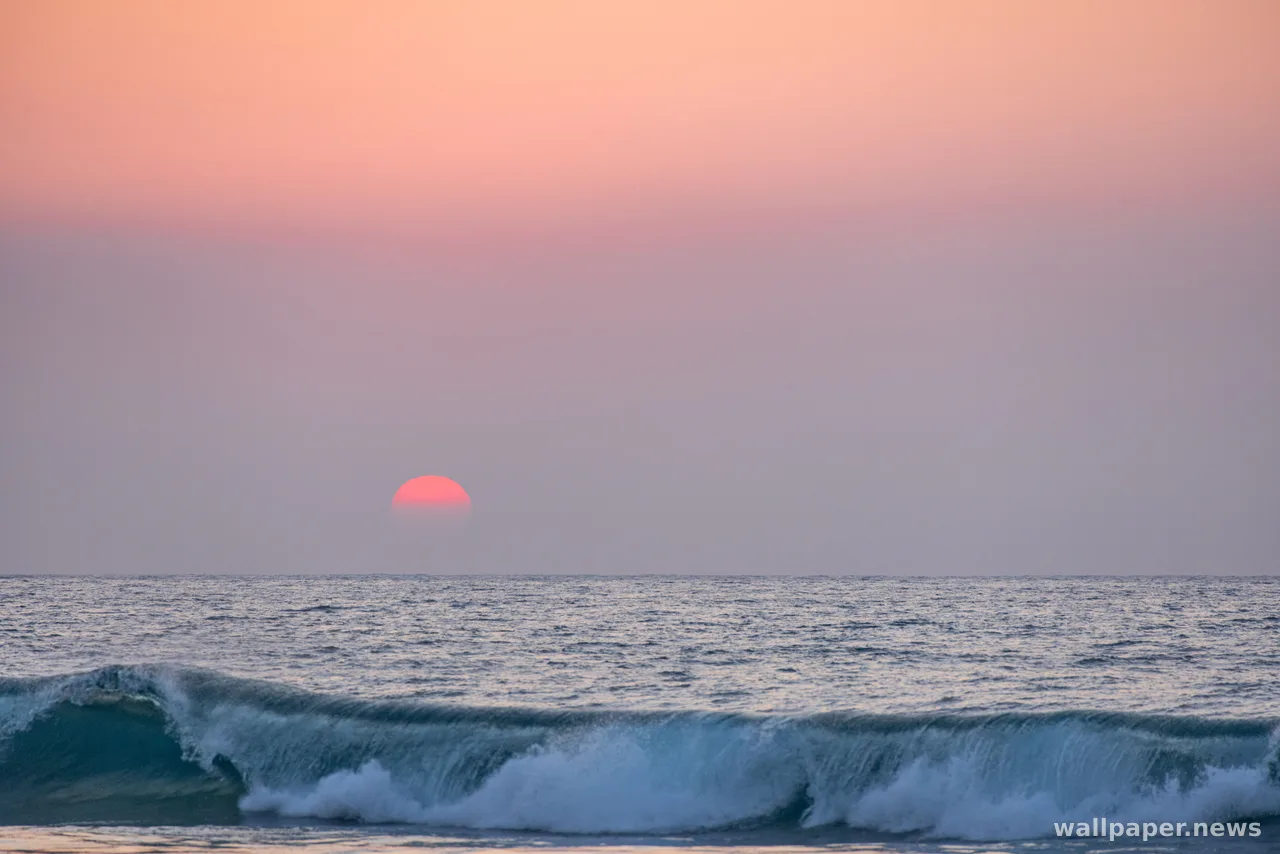
Most people watching a sunset face west and stay that way until the light is gone. Turn around in the first ten minutes and the eastern sky is doing something quieter: a band of dusty pink, perhaps ten to twenty degrees high, resting on a strip of blue-grey that rises from the horizon. The pink is called the Belt of Venus, and the blue-grey beneath it is the shadow of the Earth itself, cast onto the atmosphere.
The mechanism is simple once the geometry is clear. The sun is already below your horizon, but air high above the eastern side is still lit by its last rays, which have crossed so much atmosphere that most of the blue has been scattered away, and that reddened light is sent back toward you. As the sun sinks further the Earth's shadow climbs, the pink is pushed upward and thins out, and within about twenty to thirty minutes both colours dissolve into ordinary dusk. Before sunrise the same sequence plays in reverse over the western horizon.
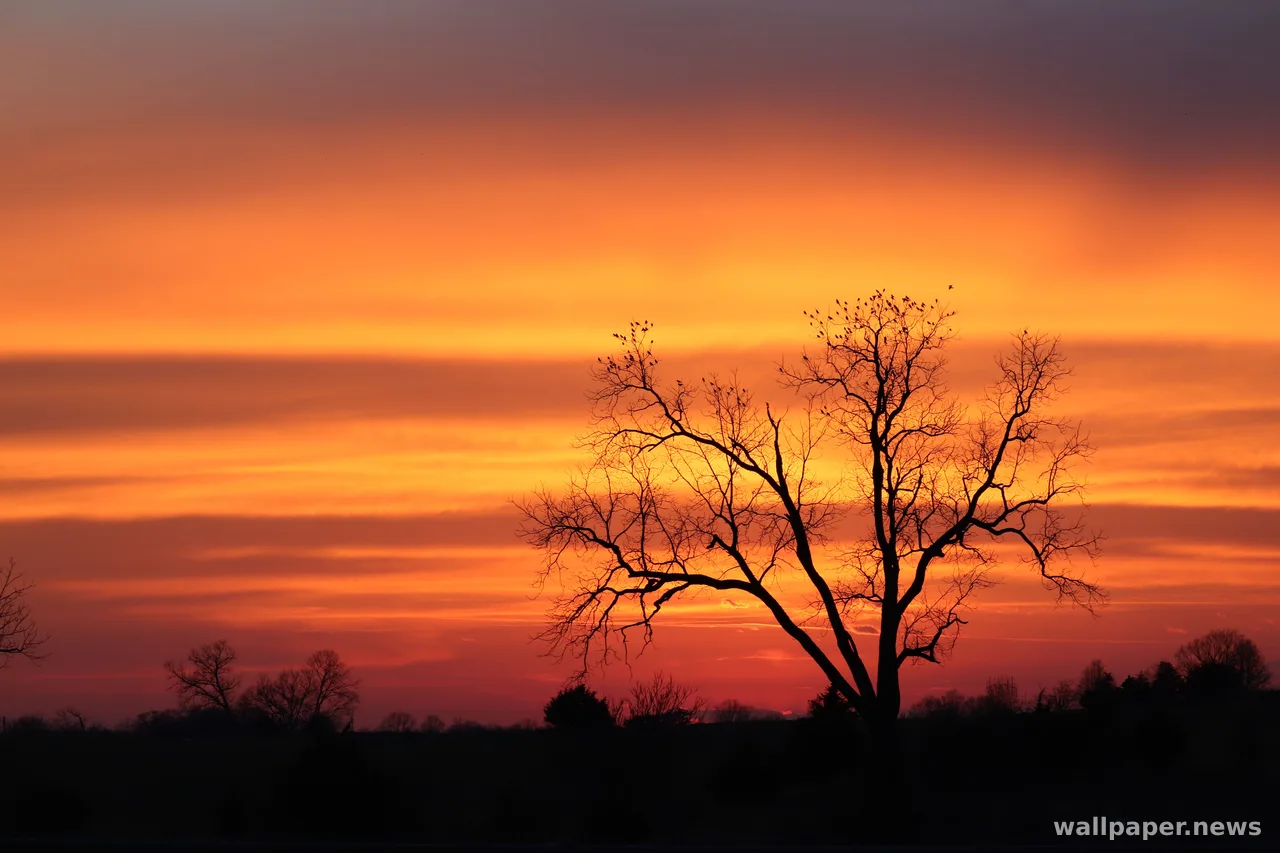
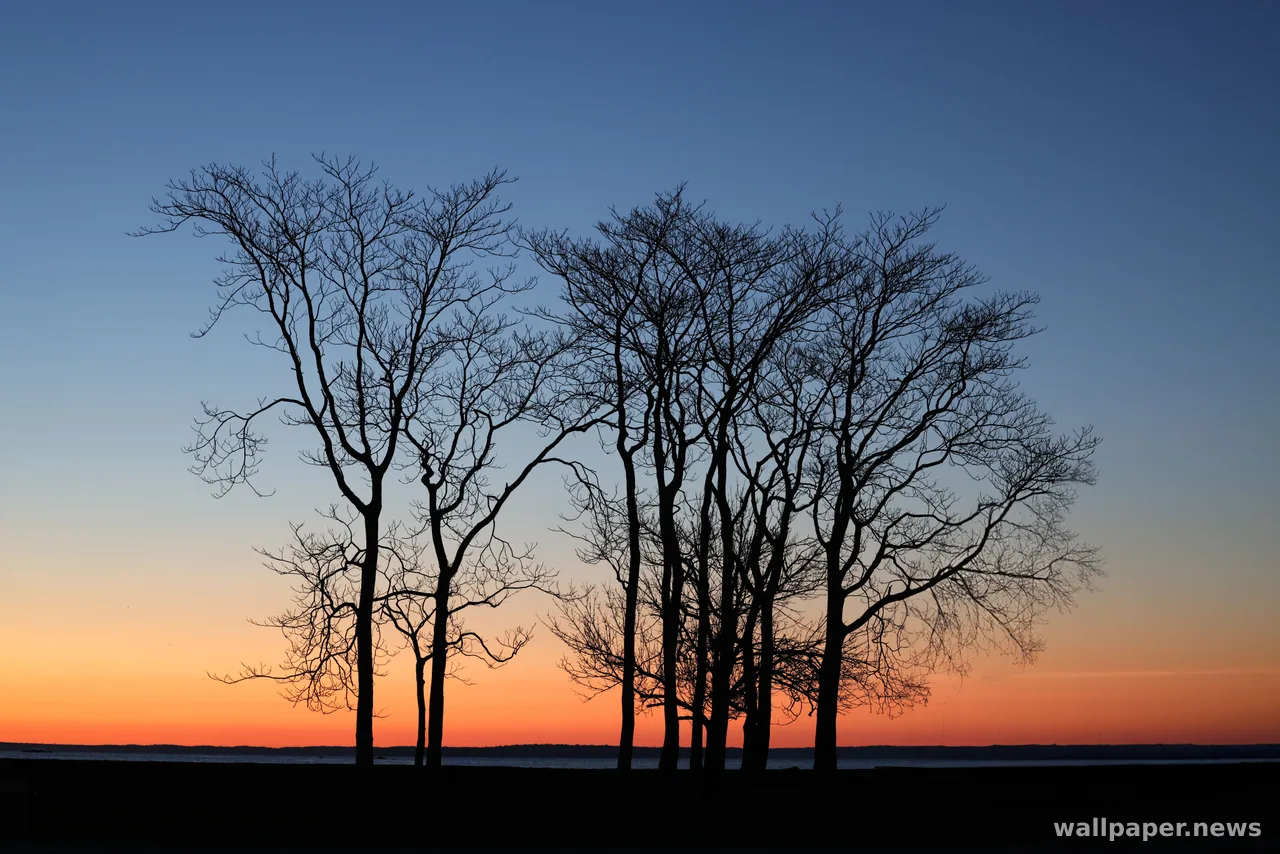
It shows best where the horizon is flat and long: open sea, desert, a frozen lake, the plains. Photographs of it tend to be low in contrast, two or three soft bands with nothing sharp inside them, which makes them easy to live with on a screen. The colours lie in horizontal layers, so icons and windows can sit almost anywhere without crowding the picture.