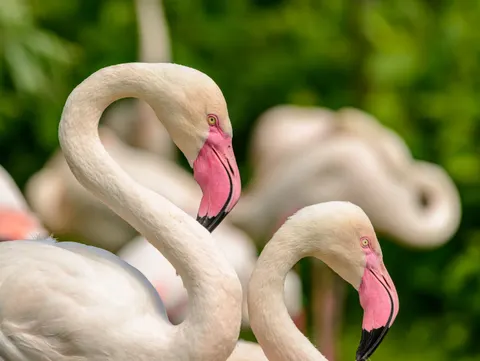
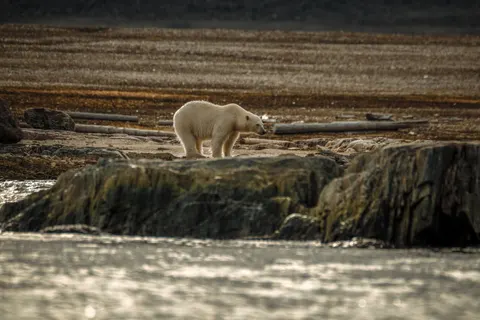
Feathers, Close Enough to Count
Get near enough and a bird stops being an animal and becomes a surface nobody designed to be looked at.
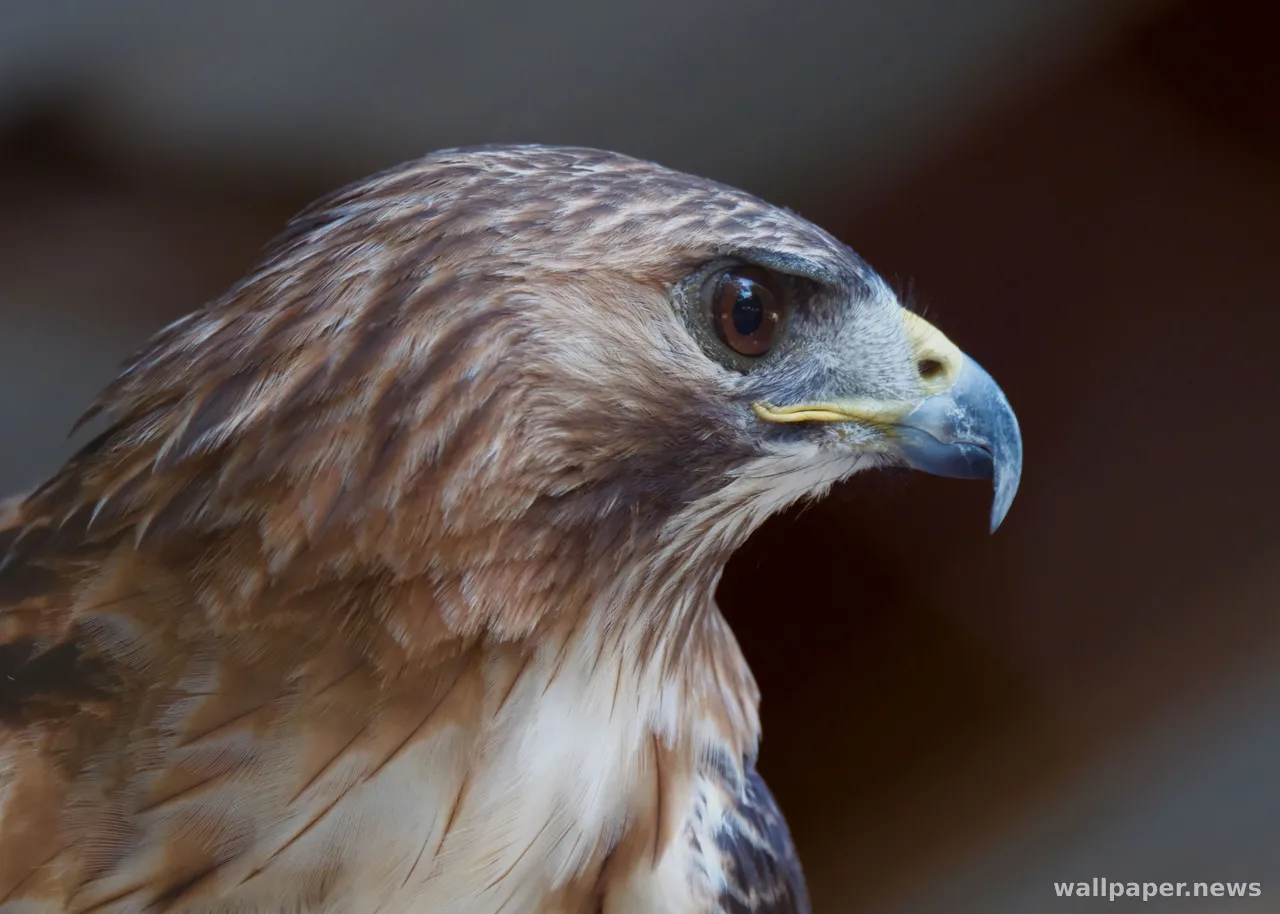
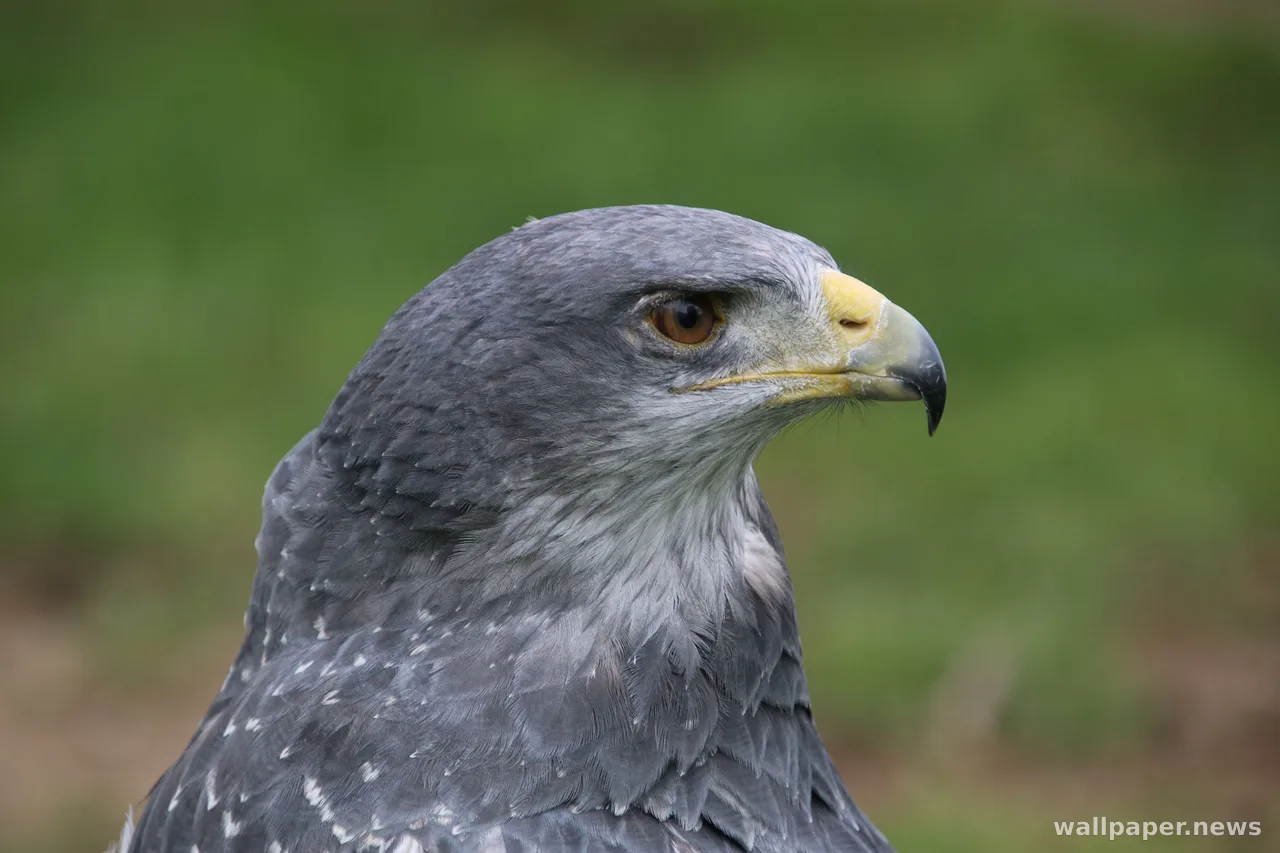
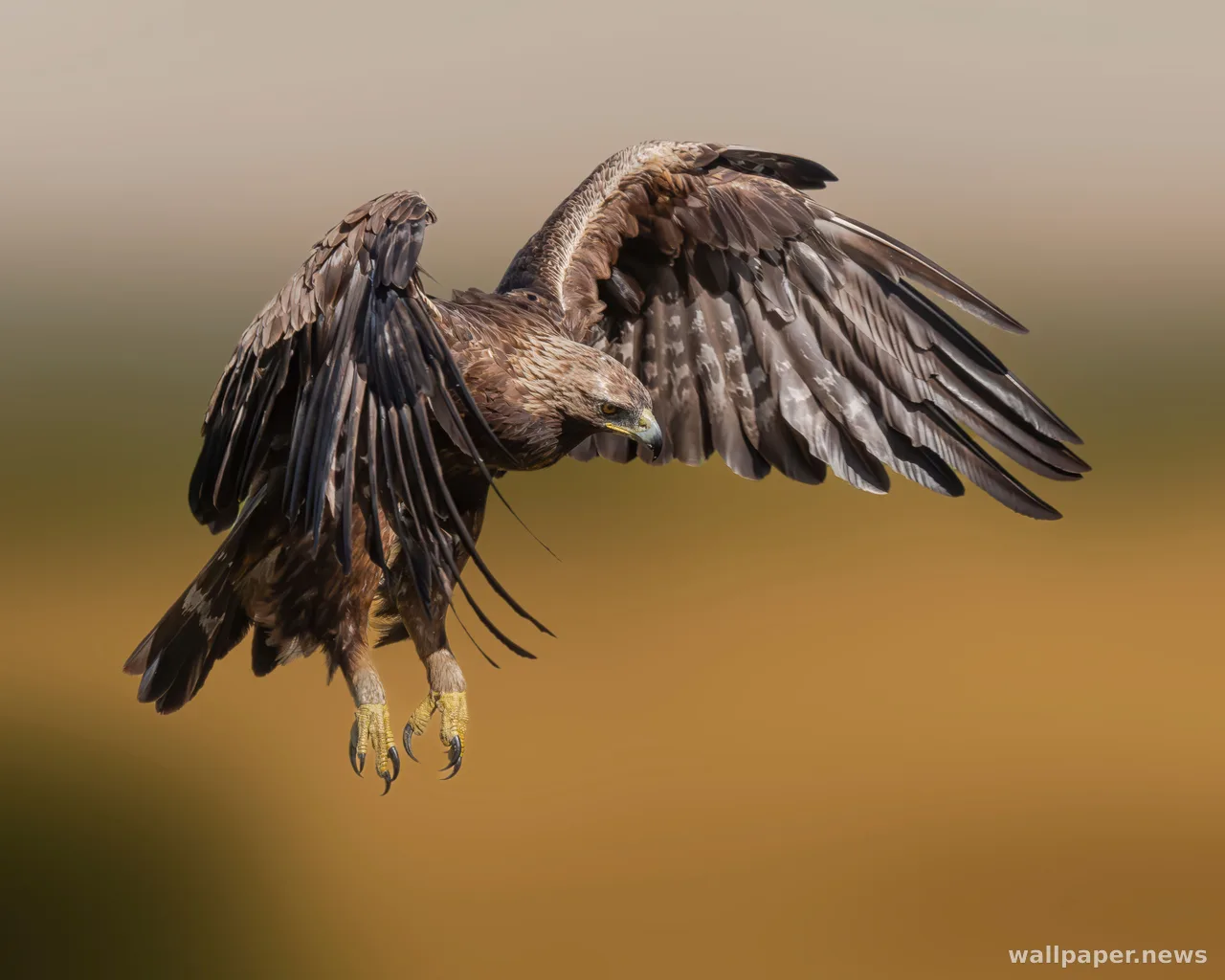
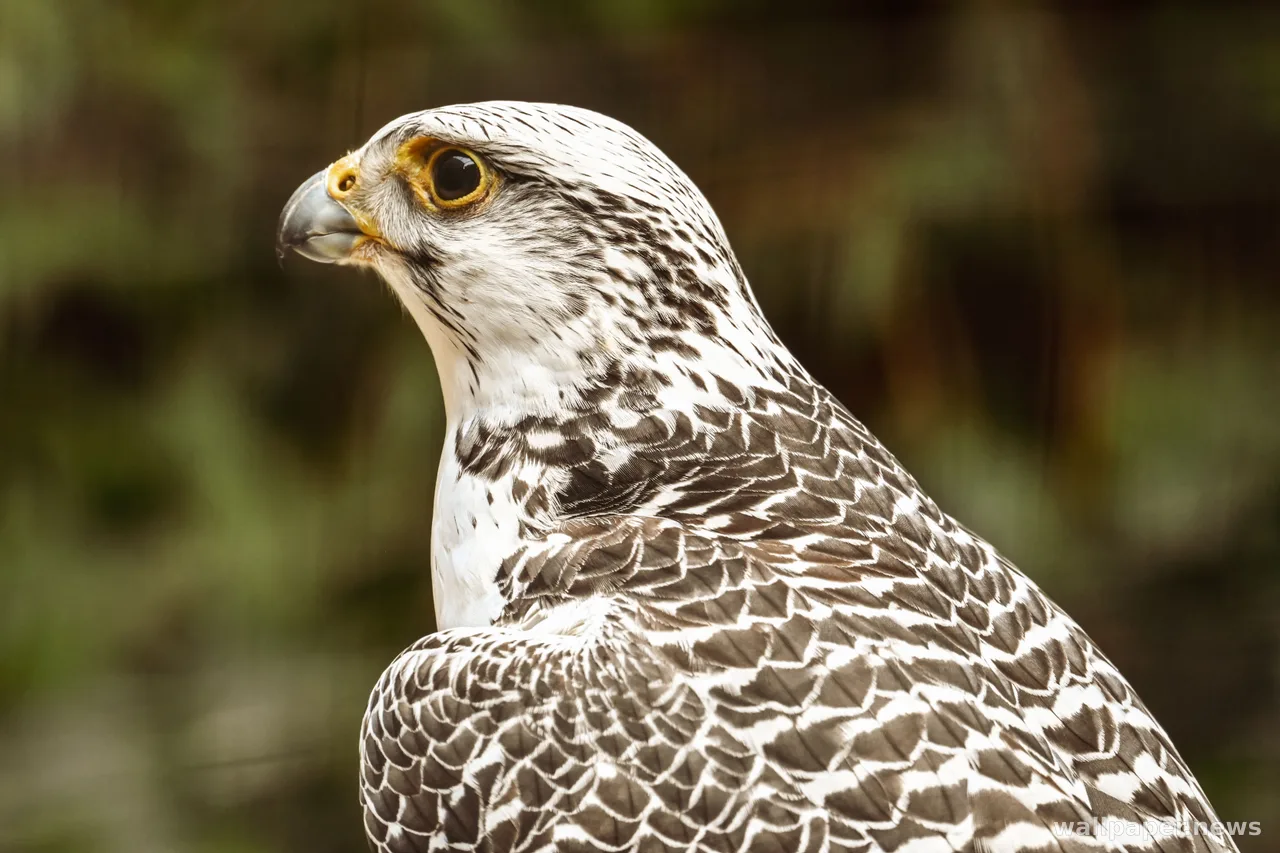
A bird in flight is a silhouette; a bird at rest is a shape. It takes a long lens, or a very patient one, before either becomes a surface. Then the colour steps back and rows appear, overlapping and slightly out of line, each feather laid over the next like tiles on a roof built without a ruler.
Closer in, the order gets stranger. The barbs hook into their neighbours with something close to a zip, so a bird that is preening is not tidying up, it is re-fastening. The blue on a jay is not pigment at all but structure: a lattice of tiny air pockets that scatters light so consistently we agreed to call it a colour. Shift a few degrees and it dims, which is a fair reminder that the blue was only ever on loan.
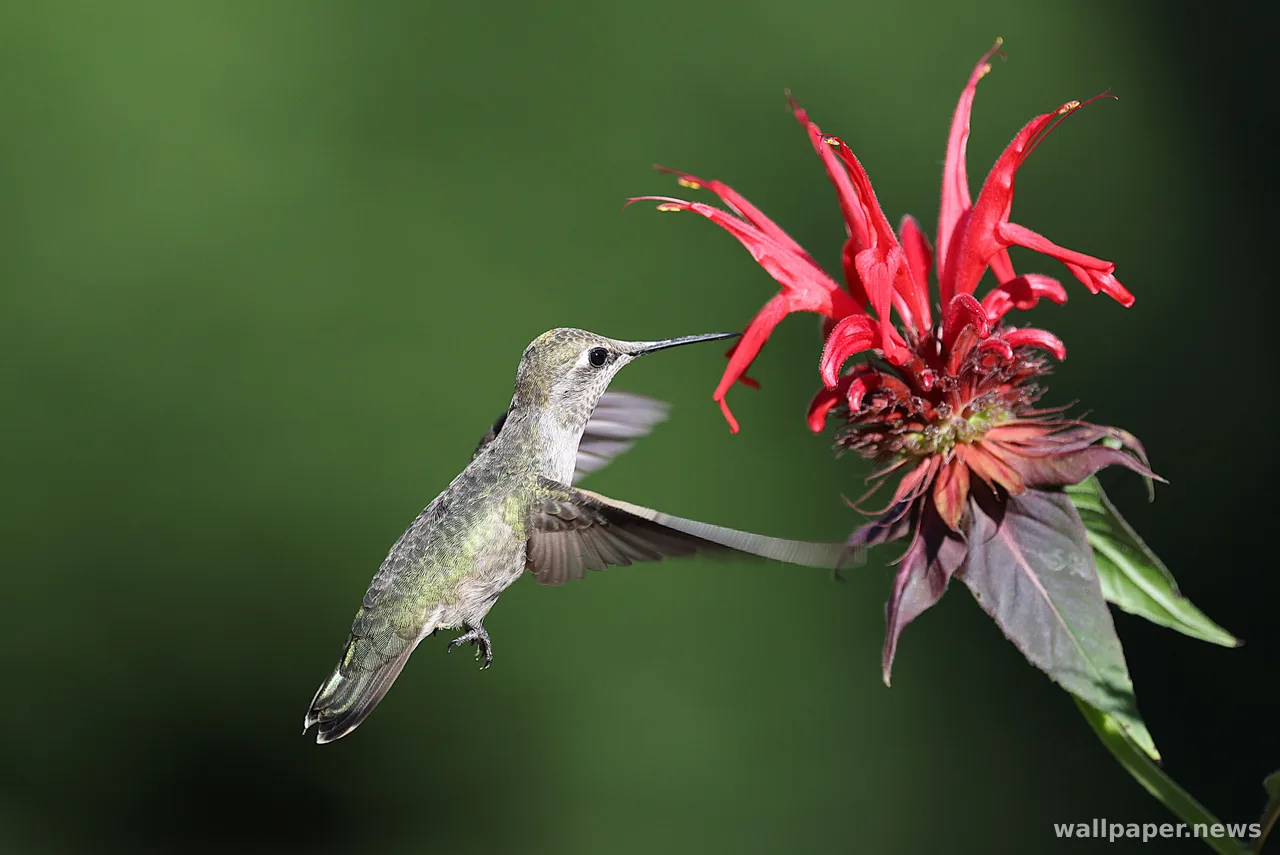
This is why feather close-ups hold up on a screen. The pattern repeats without ever quite repeating, so the eye keeps moving and never finds a seam. Icons sit on it without argument, since nothing in the frame insists on being the subject. It is a wallpaper made of a thousand small decisions, none of them made with us in mind.
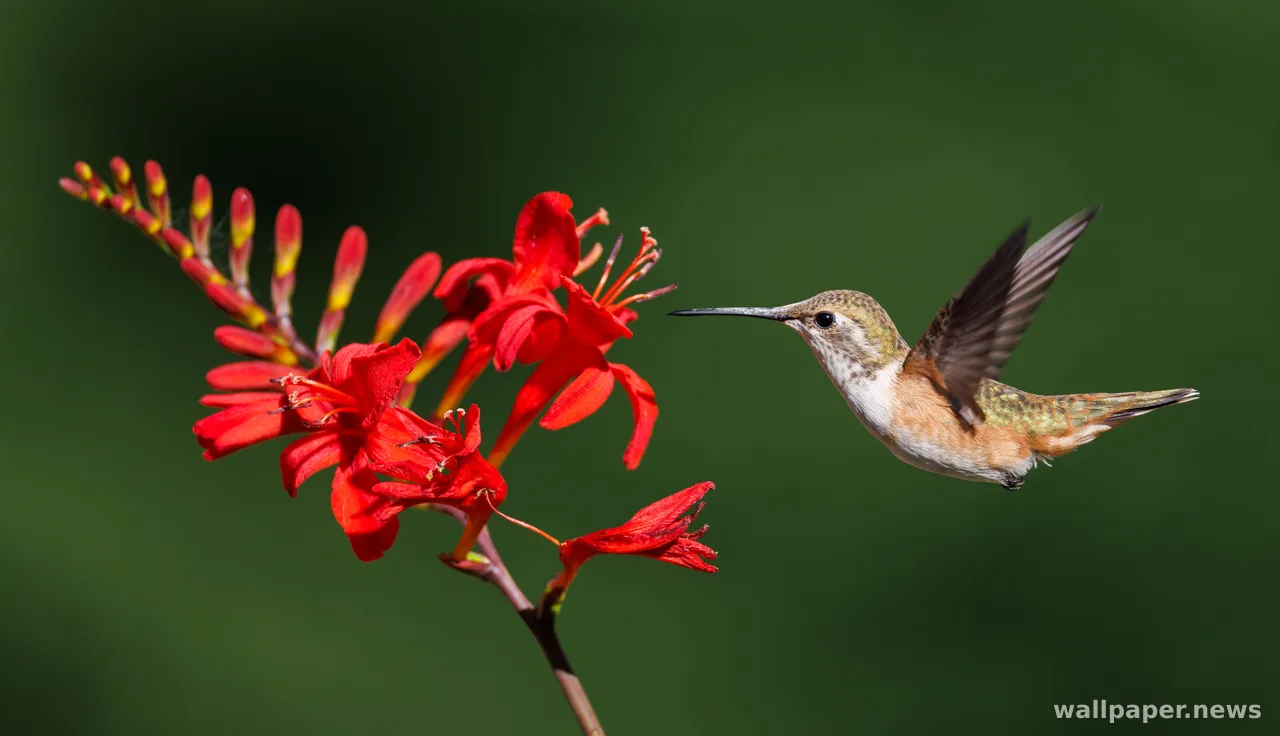
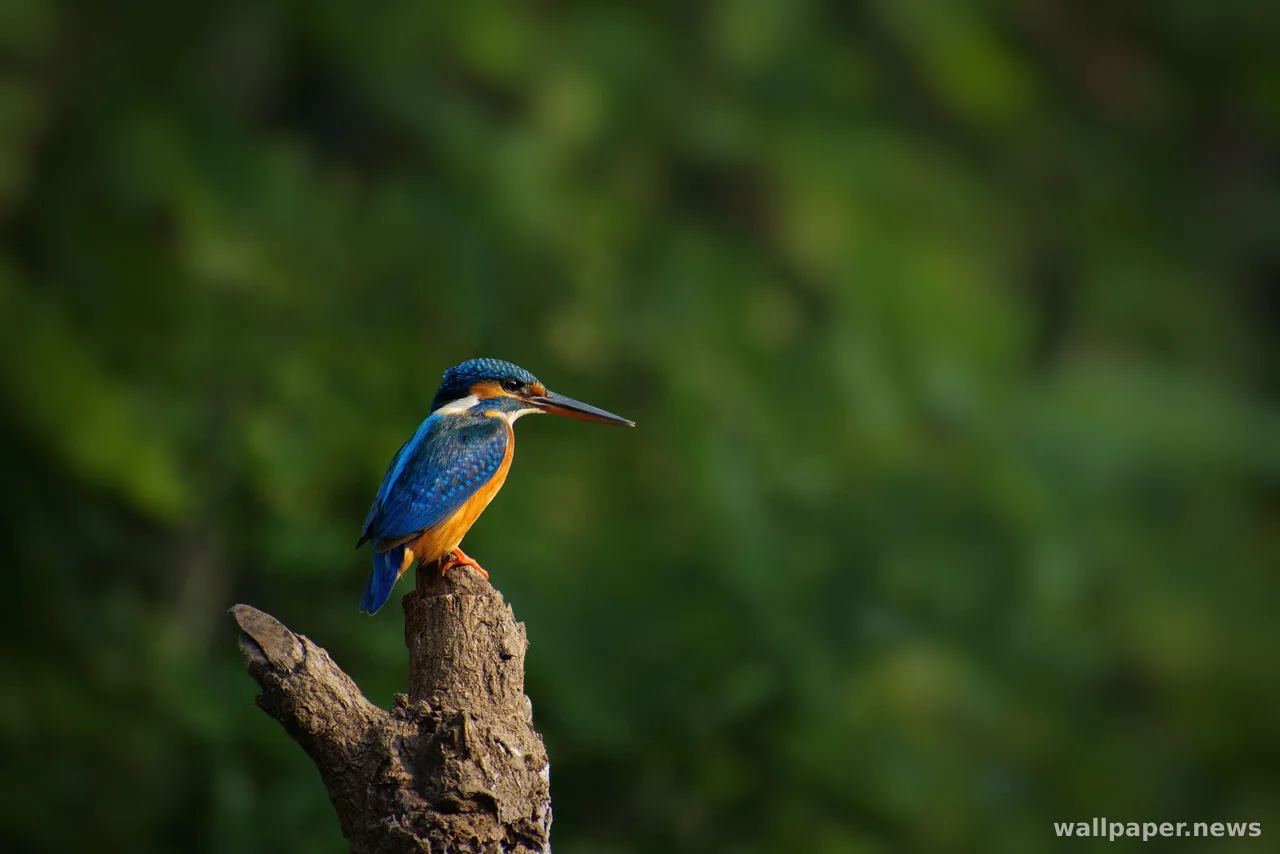
In this collection