At Night the Eye Stops Reading Colour
Reds leave first, blues hold on, and the photograph keeps hues the hour never handed out.
Colour does not switch off all at once. Cones, the cells that sort wavelengths, need light to work and start giving up below roughly a hundredth of a candela per square metre; rods take over, and rods carry brightness only. Between the two lies a long mesopic hour, the part of the evening when a garden is still legible but the red flowers have gone first.
As the light drops, peak sensitivity slides from around 555 nanometres to 507, from yellow-green toward blue-green, which is why a geranium that outshone its blue neighbour at noon reads almost black at dusk while the blue keeps a faint glow. The other oddity is where the rods are not: the very centre of the retina has none, so a dim star vanishes when you look straight at it and returns if you look slightly to one side. Full adaptation takes twenty minutes or more, and one glance at a phone spends all of it.
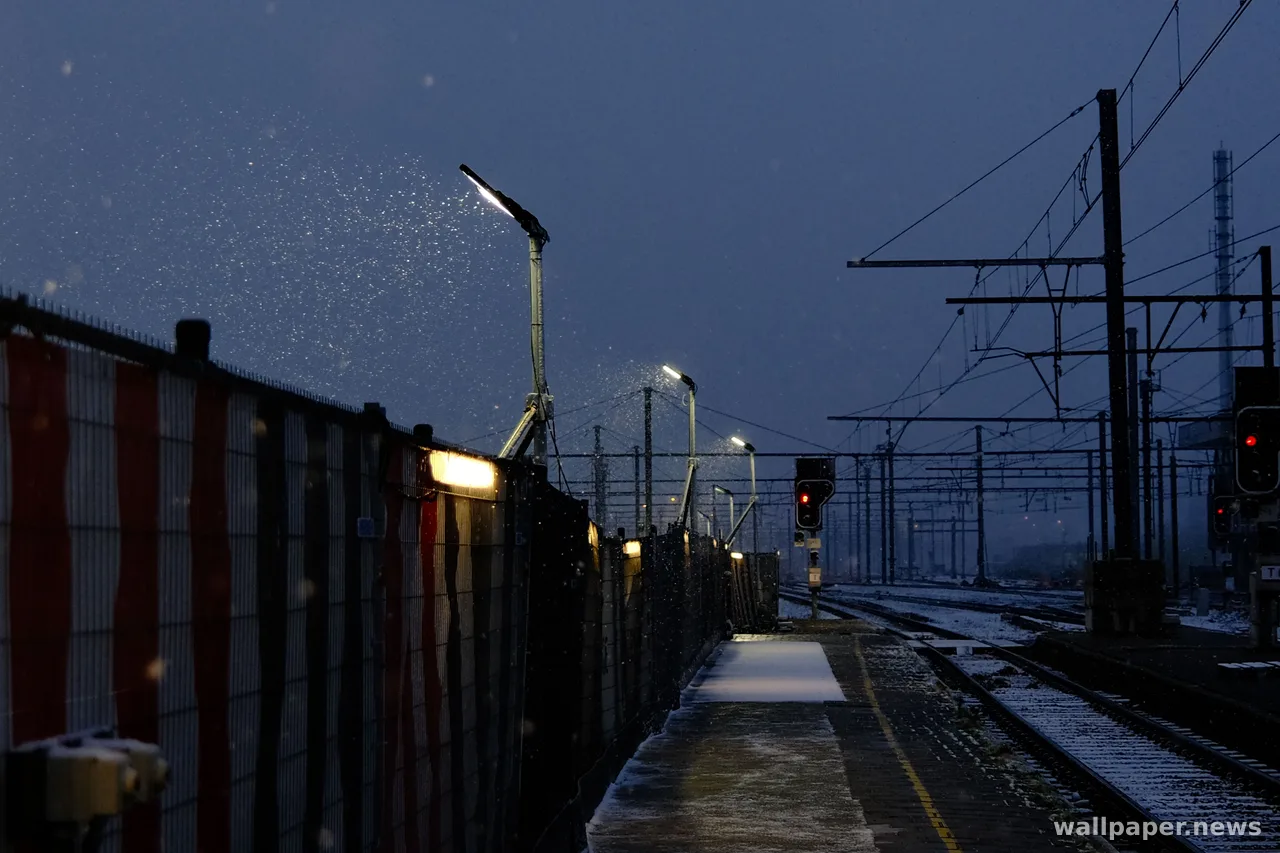
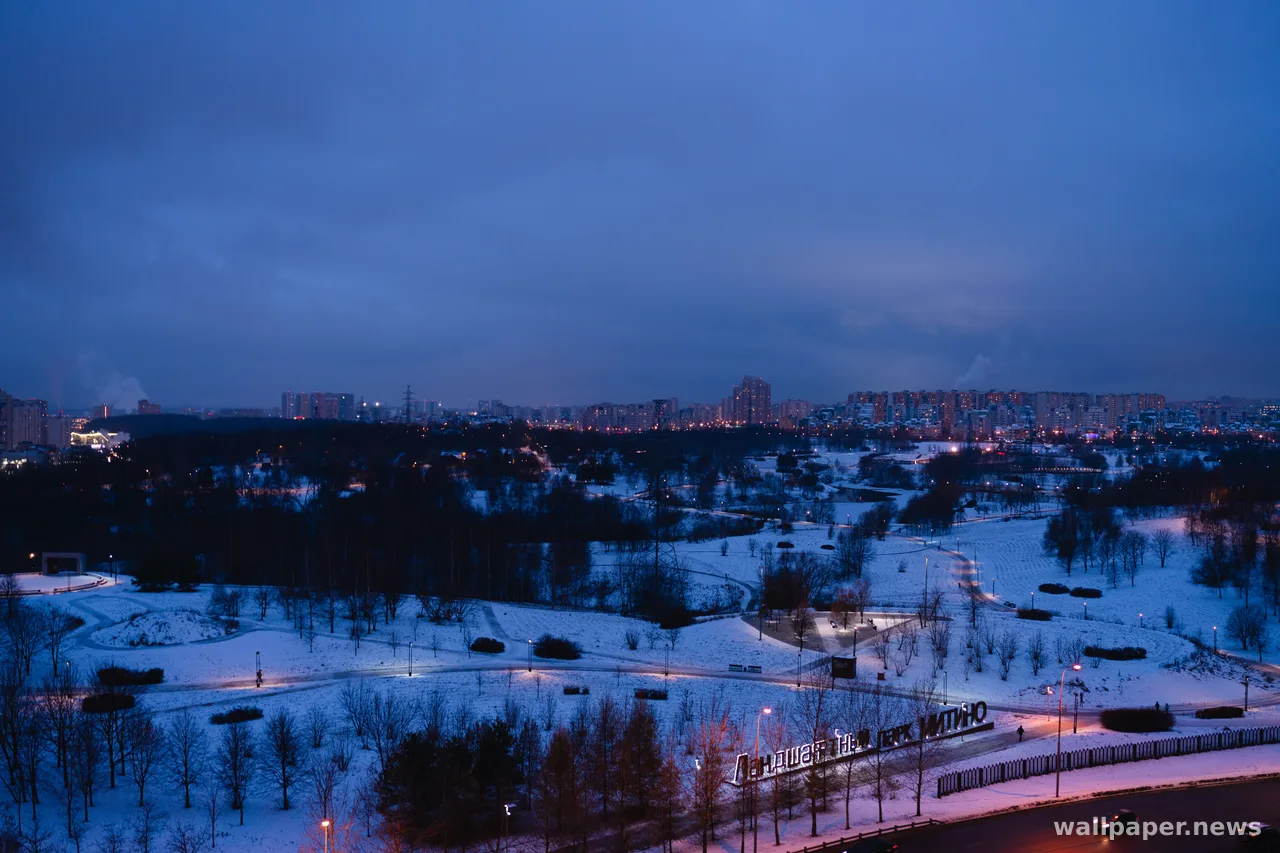
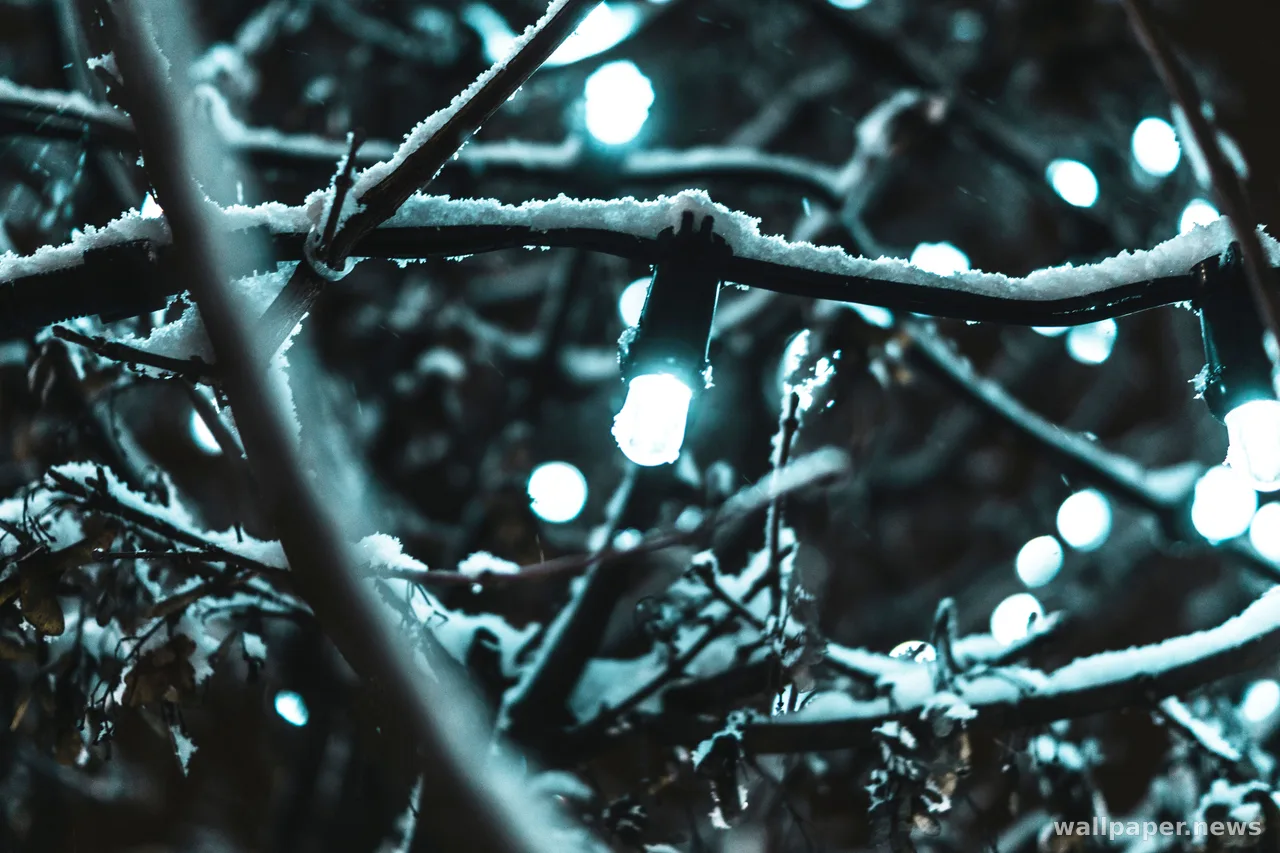
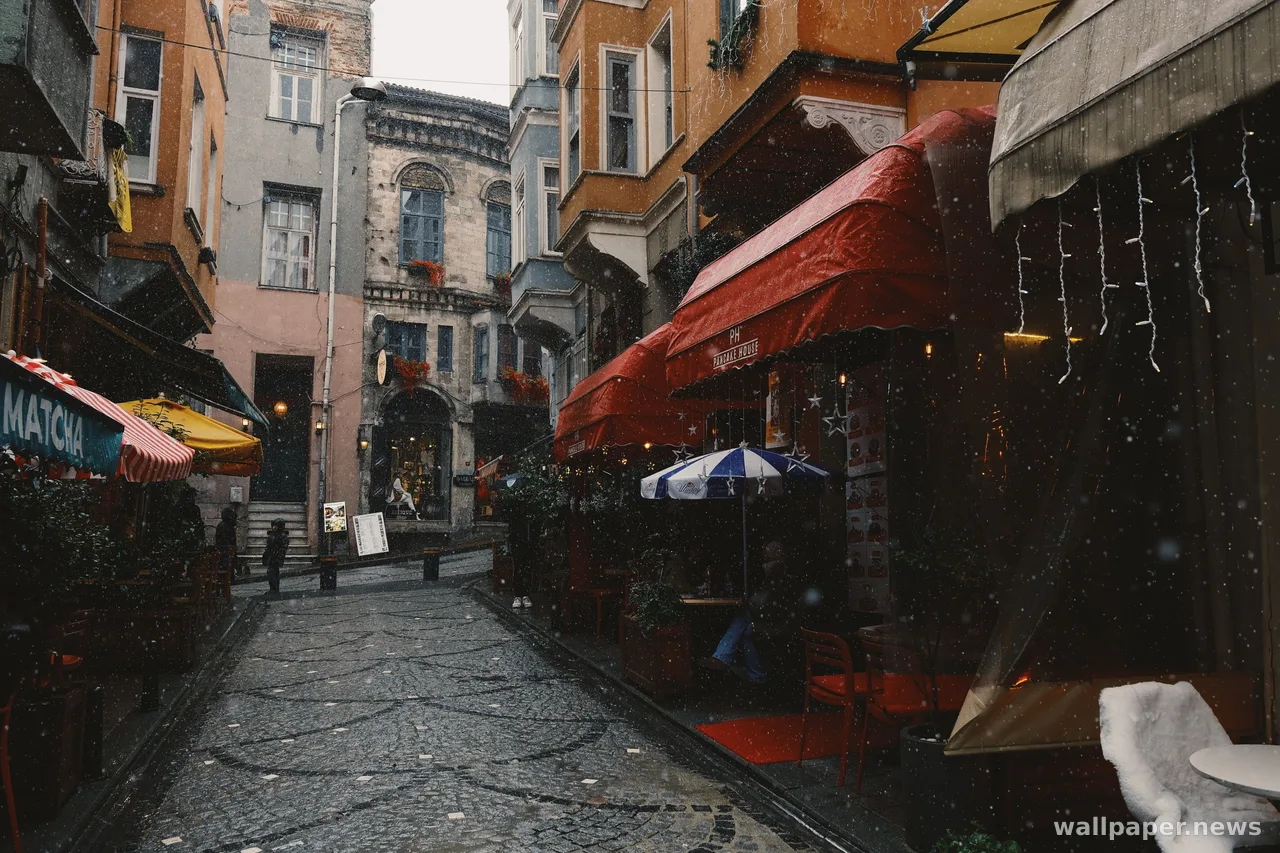
A camera has no such limit. It keeps counting photons through a twenty-second exposure, so the blue in a night photograph is measured rather than seen, a colour that was present in the scene but not available to anyone standing in it. On a screen the picture brings its own light, which quietly returns what the hour withheld.