The Snow Line: Where a Mountain Changes Color
Halfway up, the rock gives way to white along a line that no one drew and everyone can see.
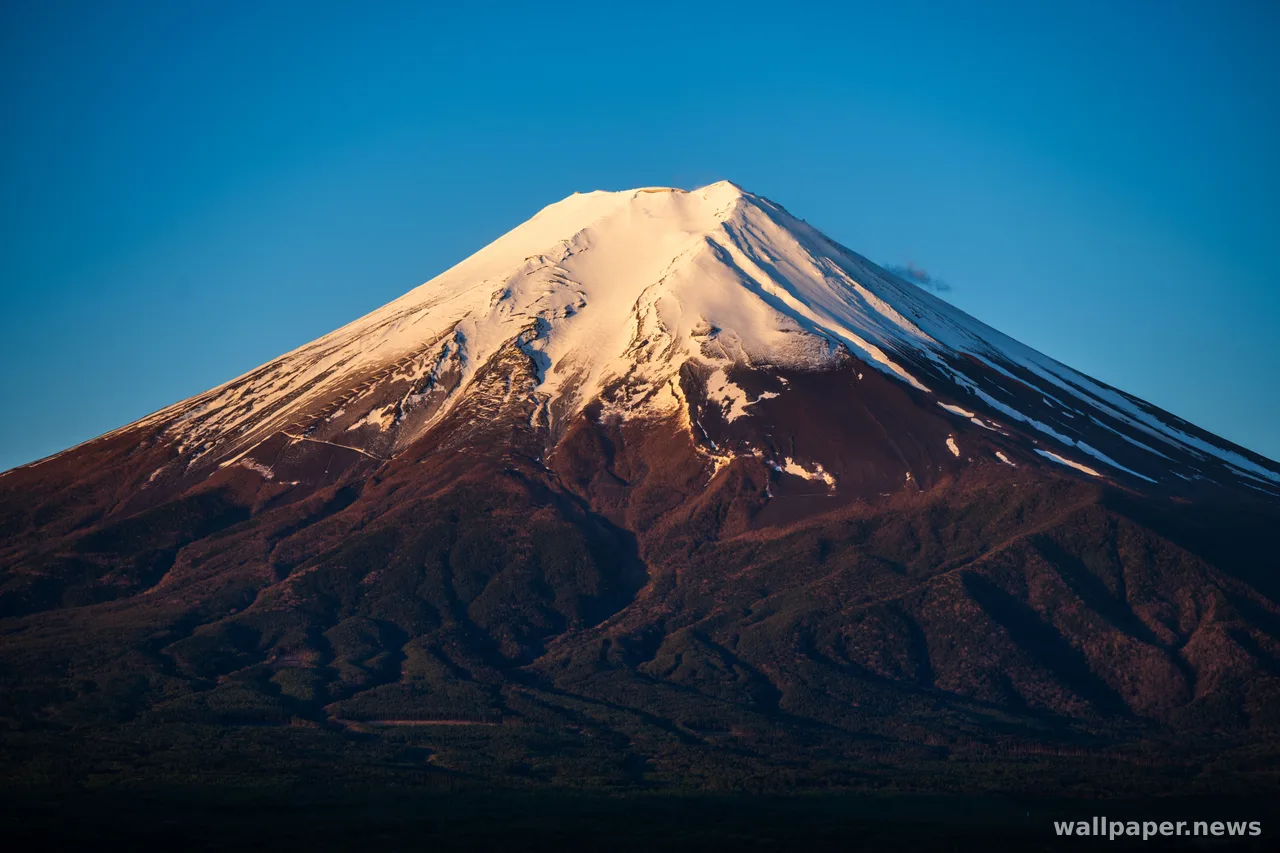
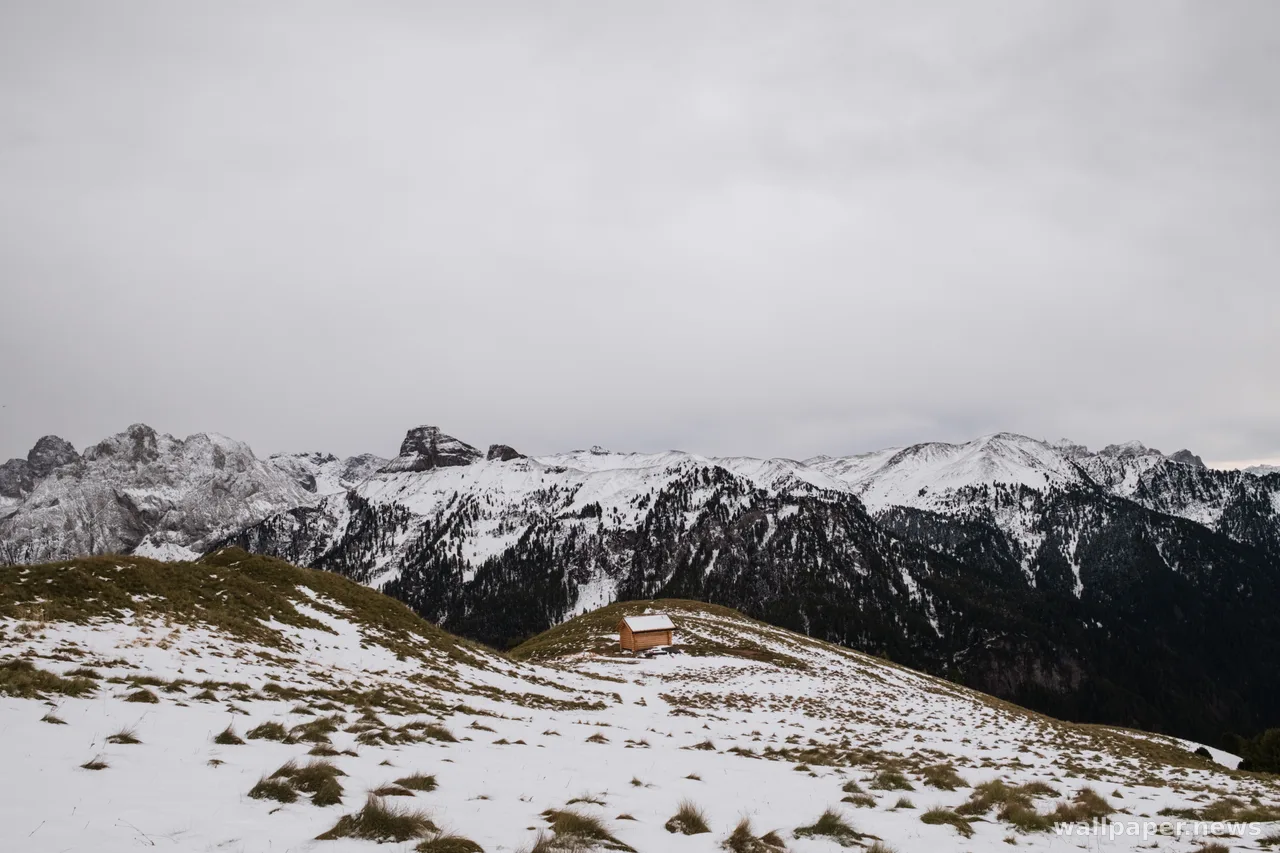
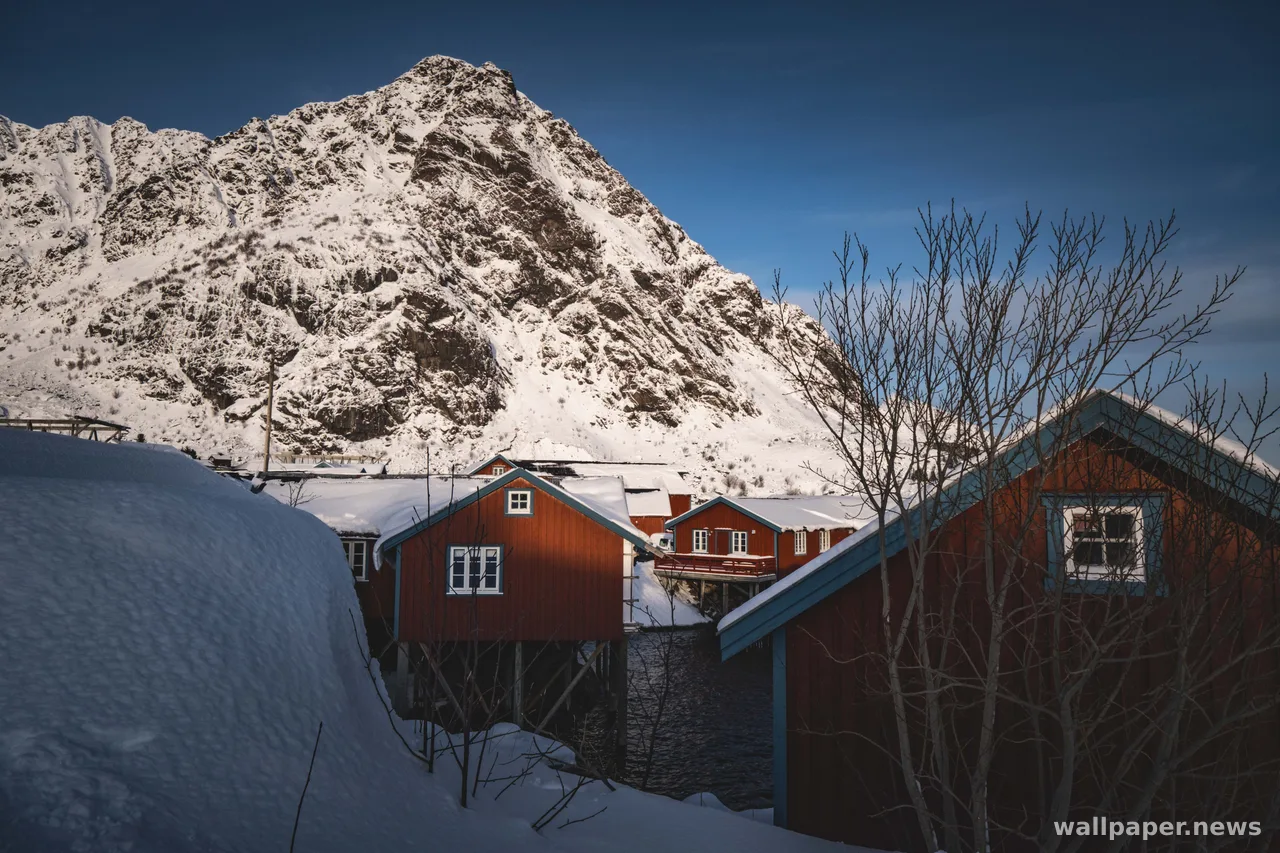
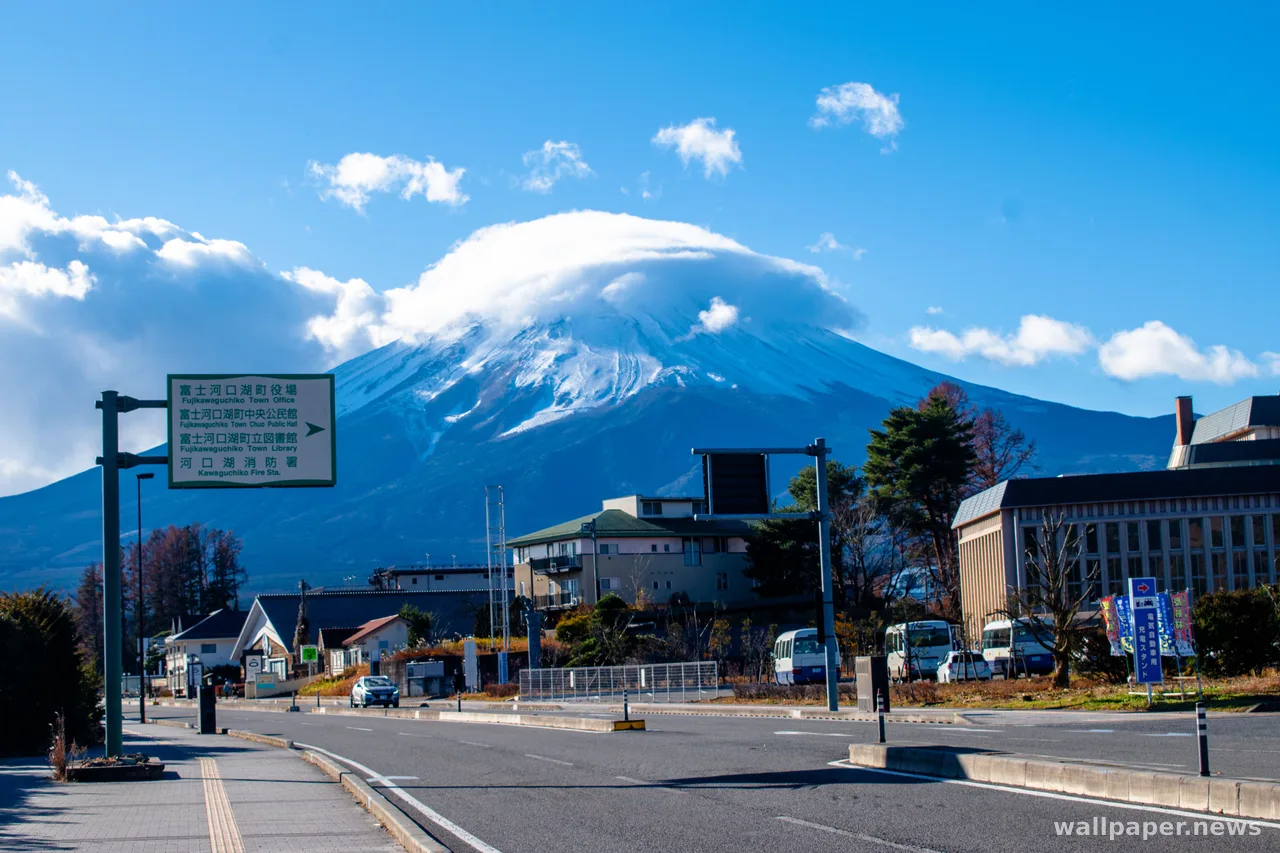
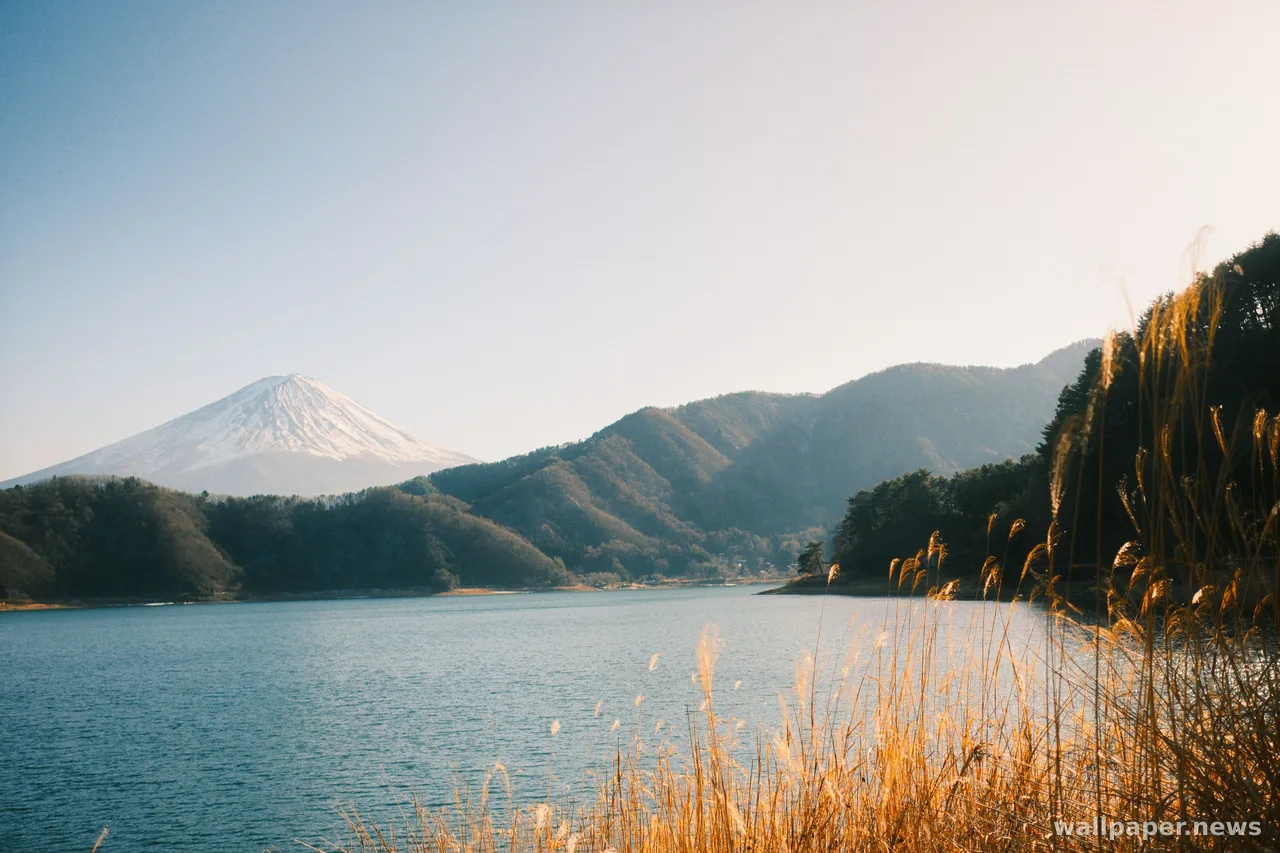
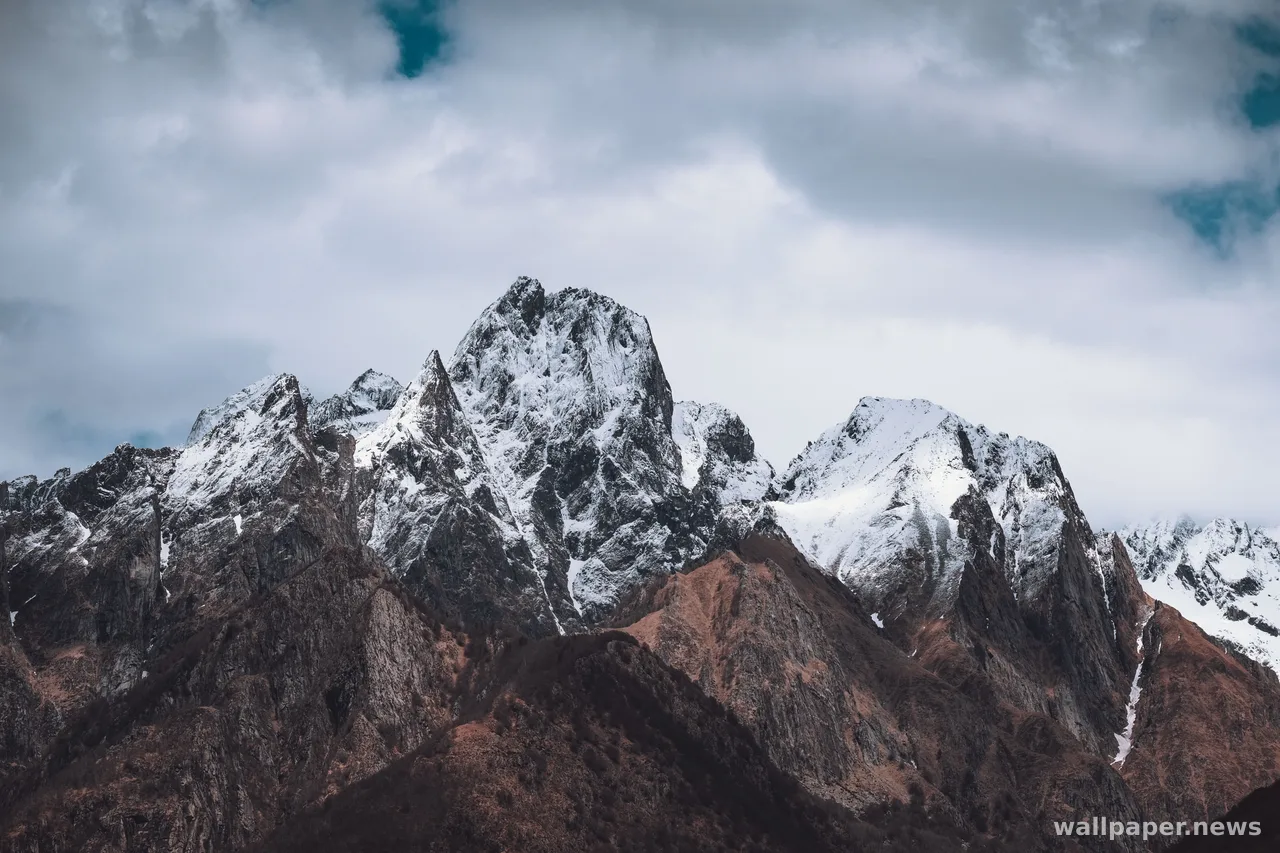
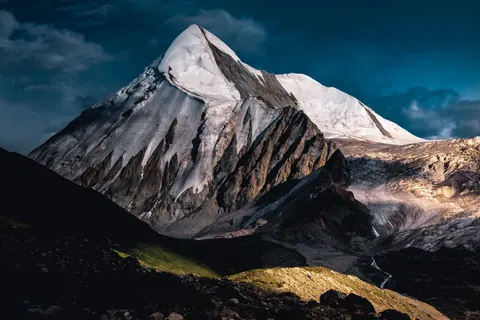
Look at a tall mountain in late summer and the eye finds the line before it finds anything else. Below it the slope is grey rock, dull green, the brown of scree; above it, white, and the change happens within a few metres of altitude, as if a tide had come in from the sky. The line is simply the height at which more snow falls each year than the summer can melt, which is why it sits lower on the shaded north face and higher on the side the afternoon sun works on.
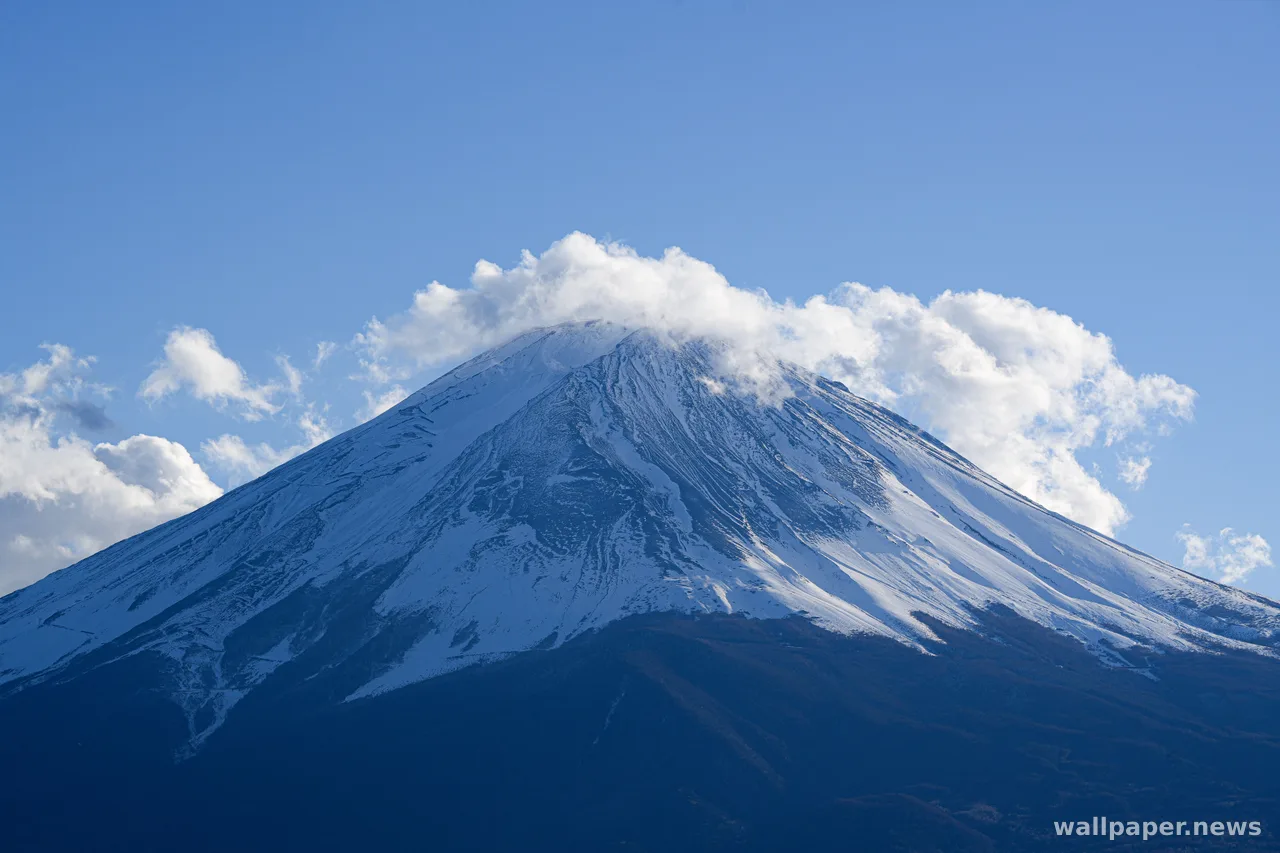
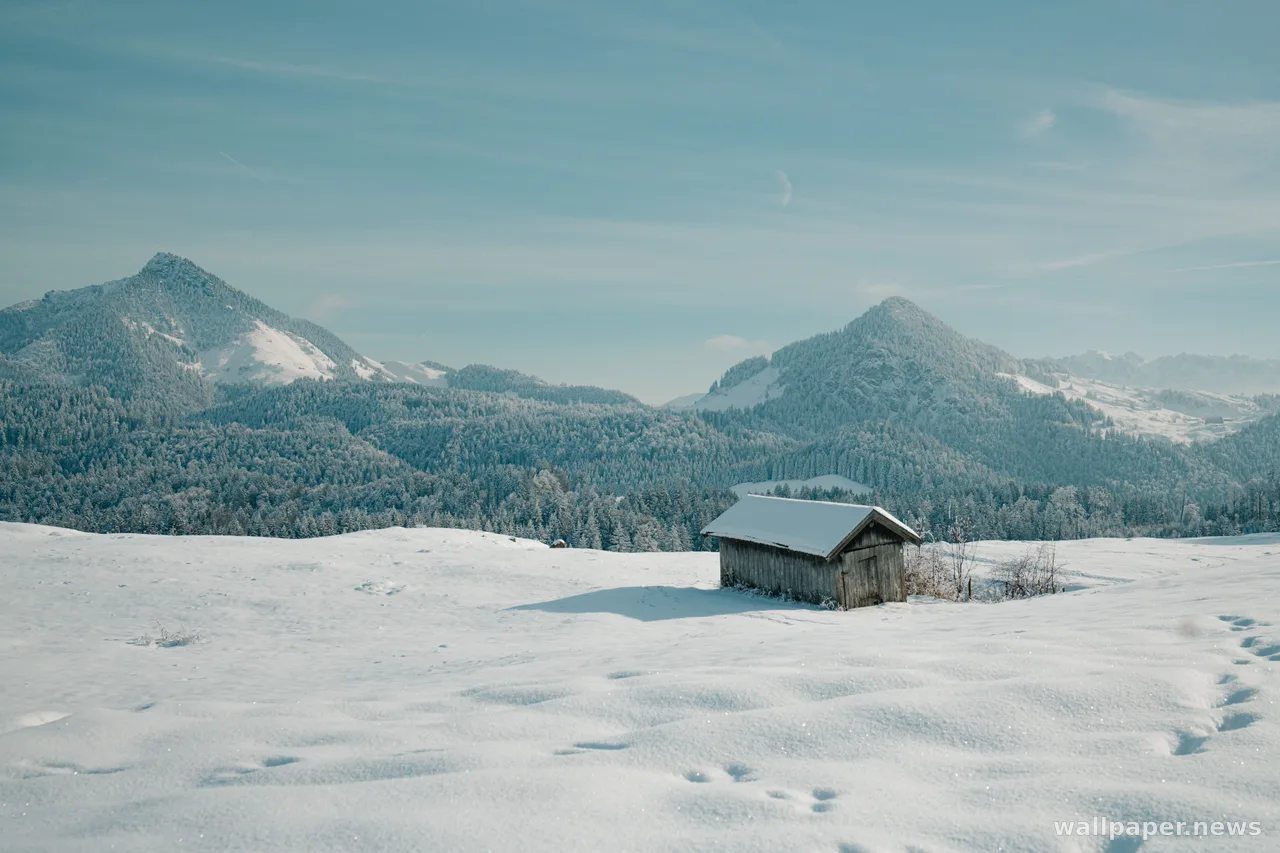
It is not fixed. In spring it drops to the valley floor and in September it retreats toward the summit, and over a decade of warm years it climbs a little and stays there. Climbers read it for danger, farmers read it for water, and painters have read it for centuries as the place where the picture's palette runs out of warm colors. On a very clear day you can watch the line continue from peak to peak across a whole range at nearly the same height, like a water mark on a wall.
On a screen the line does useful work. It splits the image into a busy lower half and a quiet upper one, so the dock and the file names sit against texture while the top stays nearly blank, and the white reads as brighter than any other pixel without being a light source. A mountain that is white to the foot is winter; a mountain white only above the line is a particular afternoon in a particular month, which is a better thing to look at for a year.