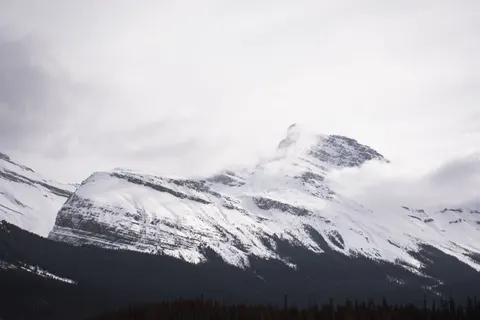
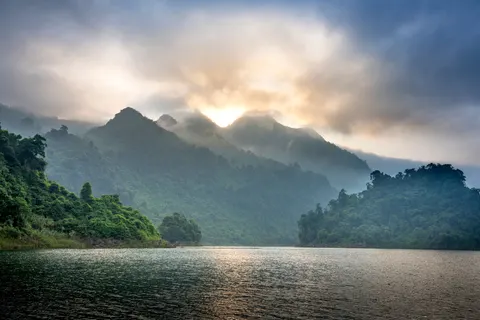
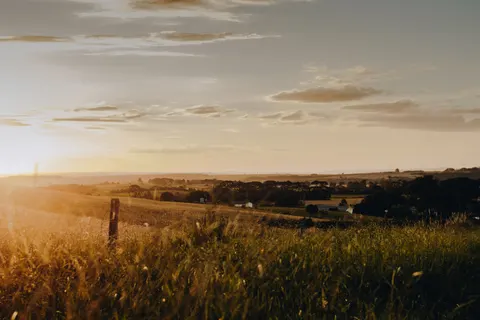
Alpenglow: The Last Light on the Peaks
The valley has been dark for ten minutes and the summit still has not been told.
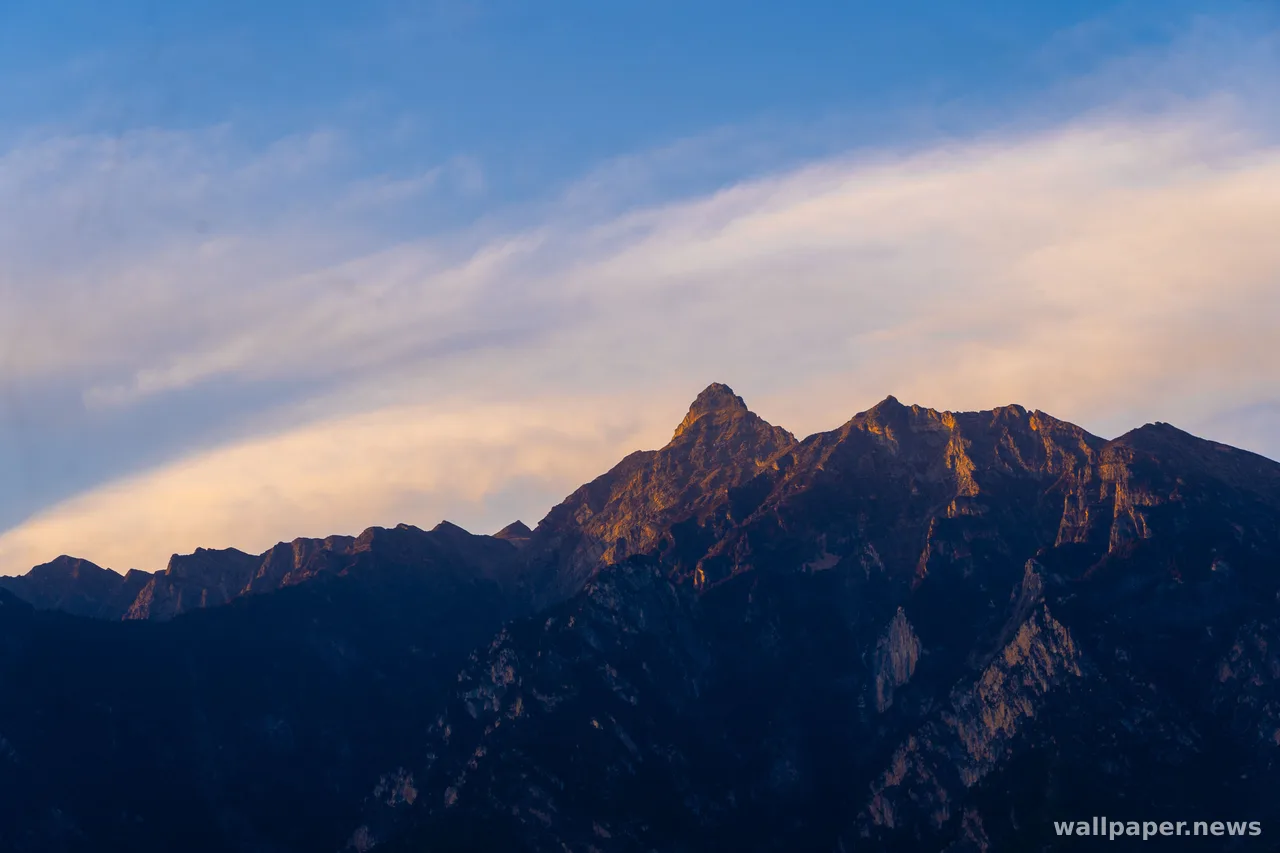
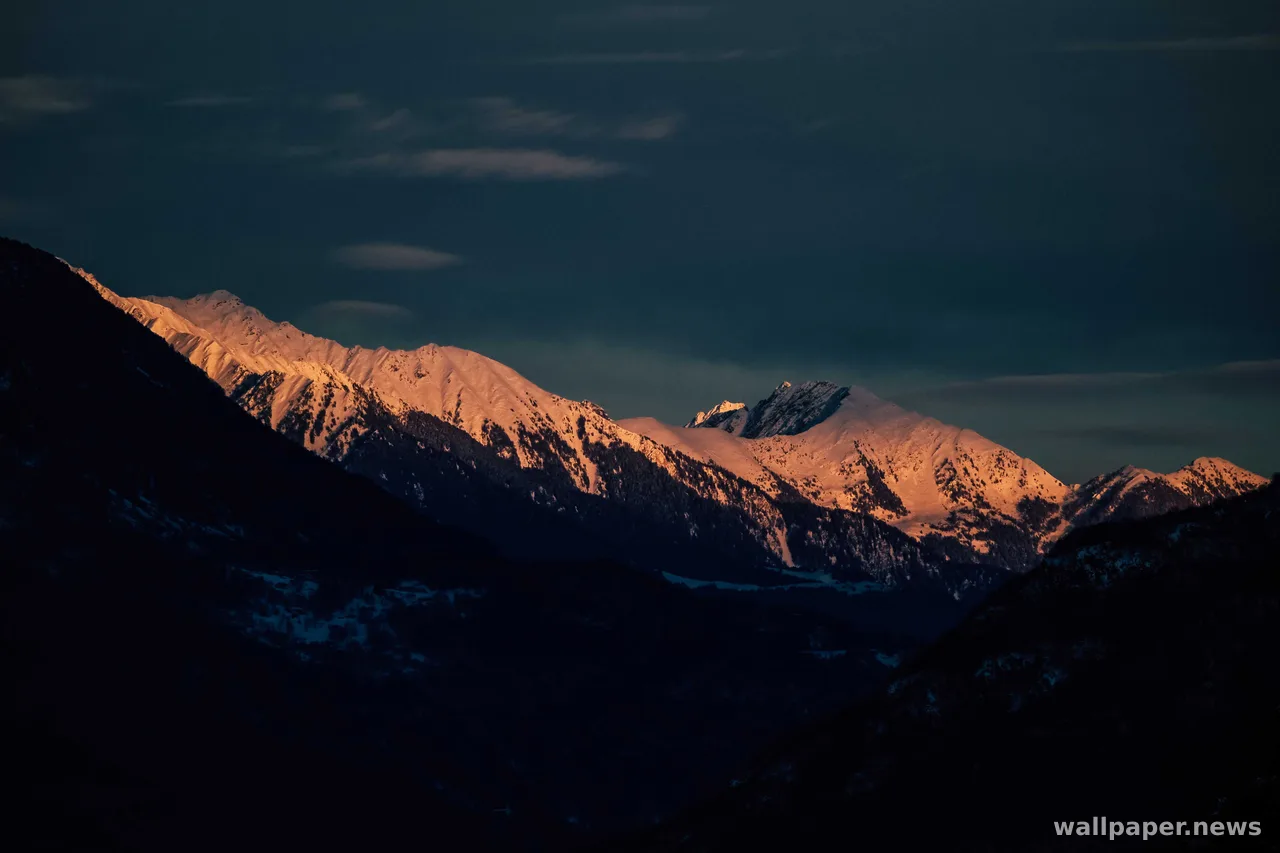
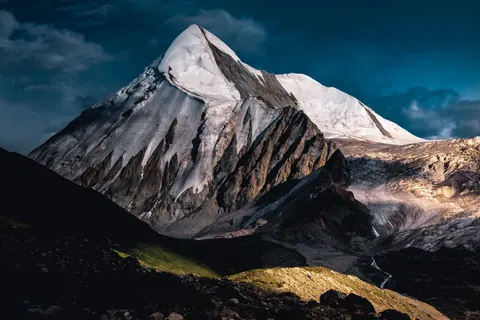
The pink on a summit after sunset does not come straight from the sun, which has already dropped below the horizon for everyone in the picture. It arrives second-hand: light passing high through the atmosphere loses its blues along the way, and what is left is bounced off haze and ice back onto the last surfaces still high enough to catch it. Snow and pale rock take the color best, which is why the effect belongs to peaks rather than to fields.
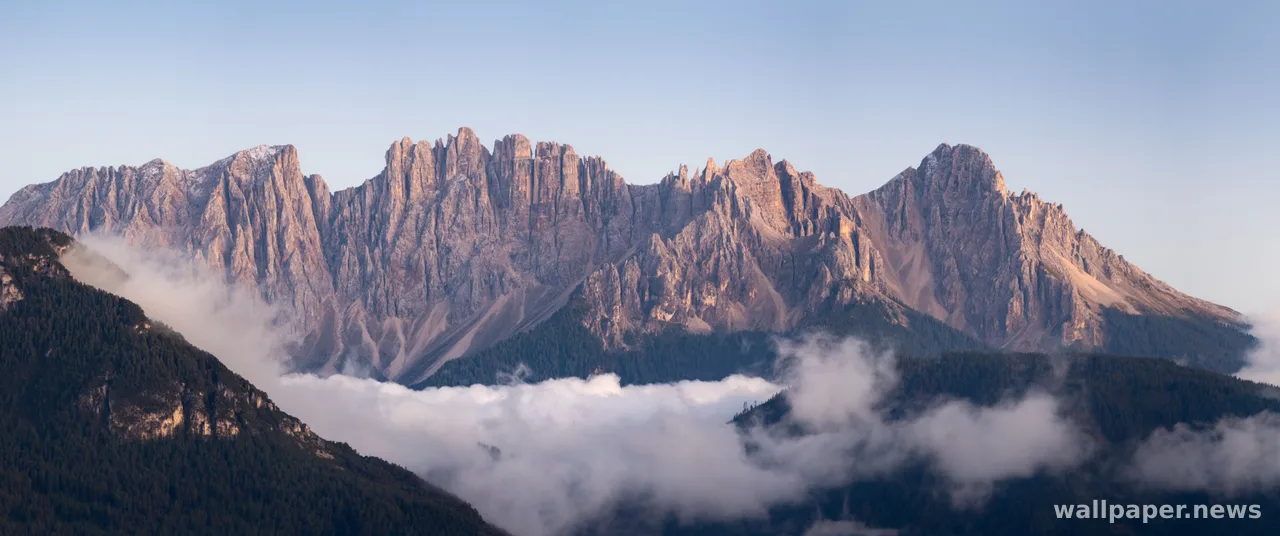
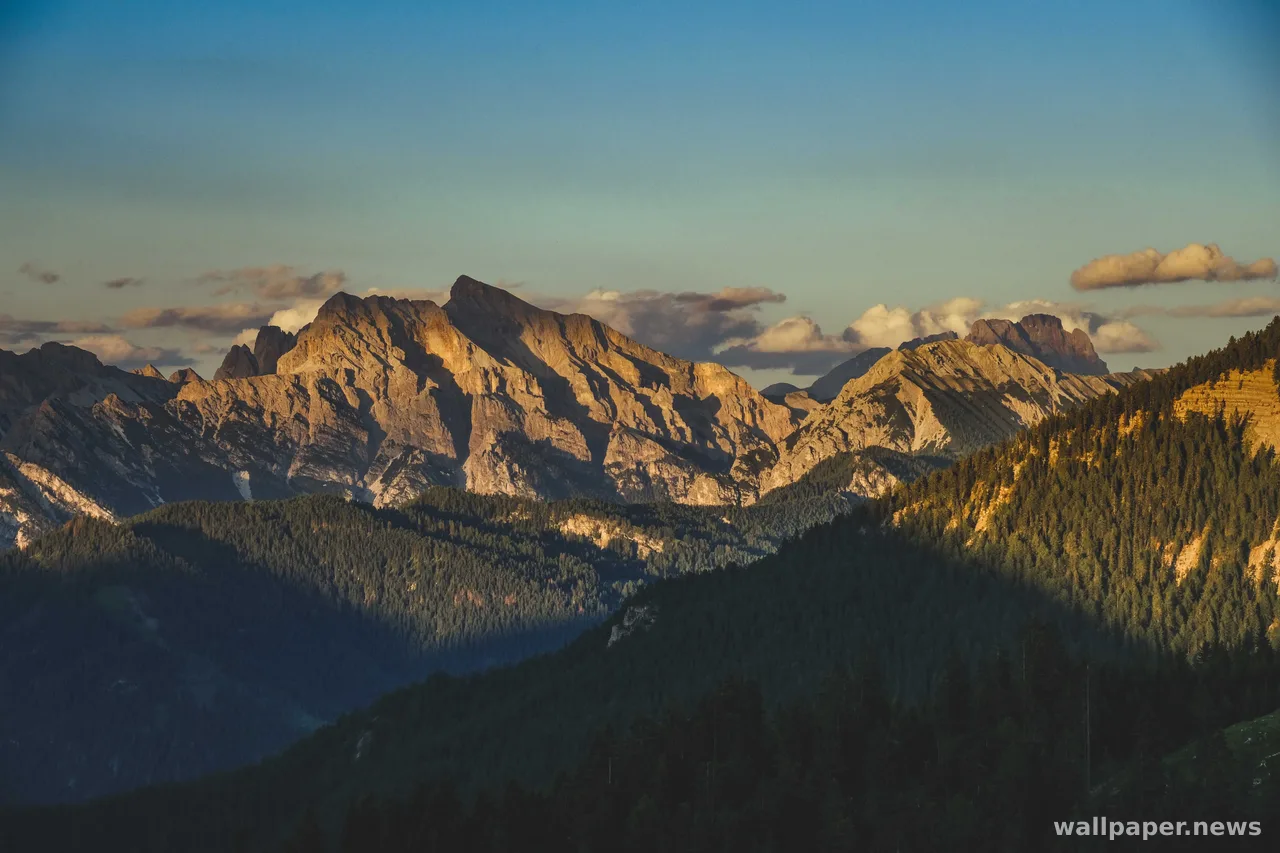
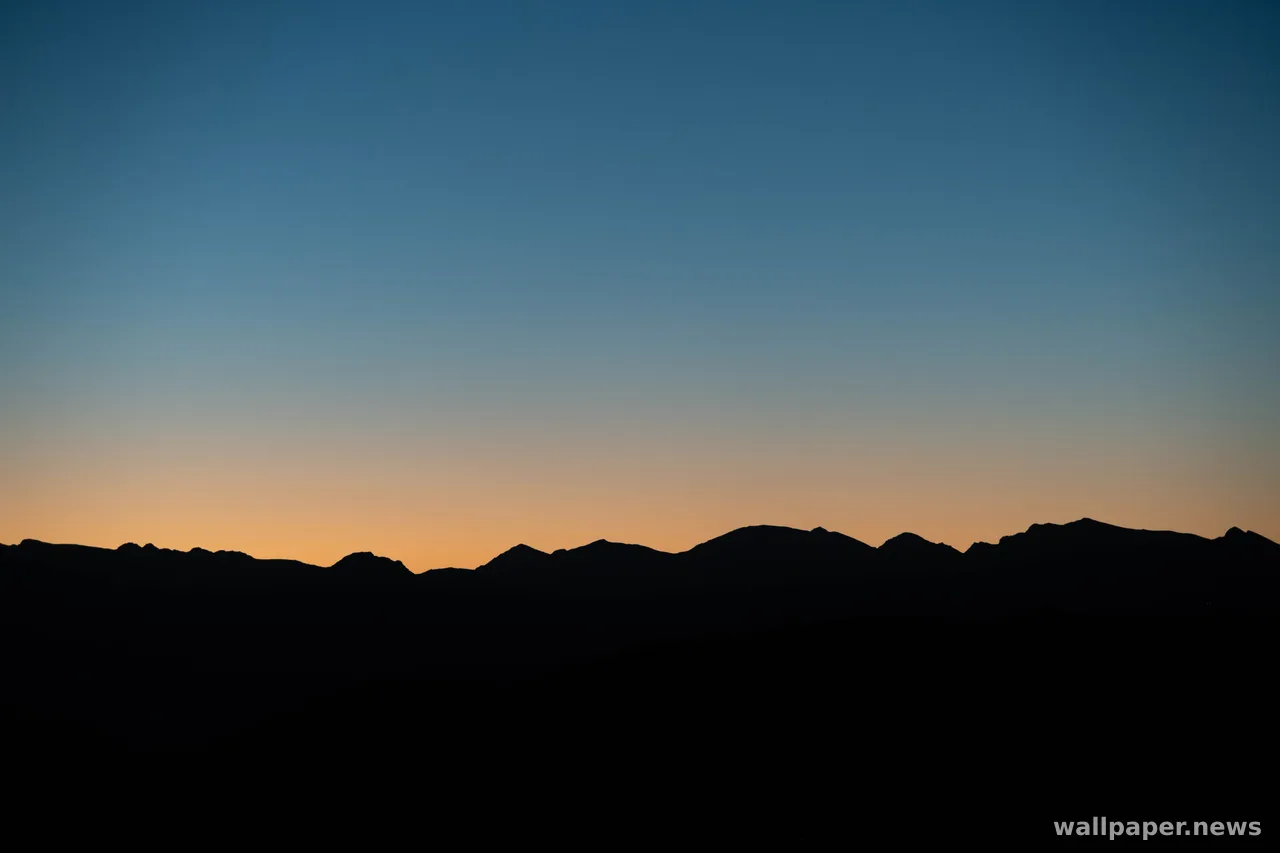
The whole thing lasts maybe fifteen minutes and moves downward the entire time, so a frame taken during it holds two different hours at once. The valley floor has been in shadow long enough to go cold and blue, while a few hundred meters above, a band of rock is still warm. The line between them is not the top of anything, only the height where the earth's own shadow has arrived.
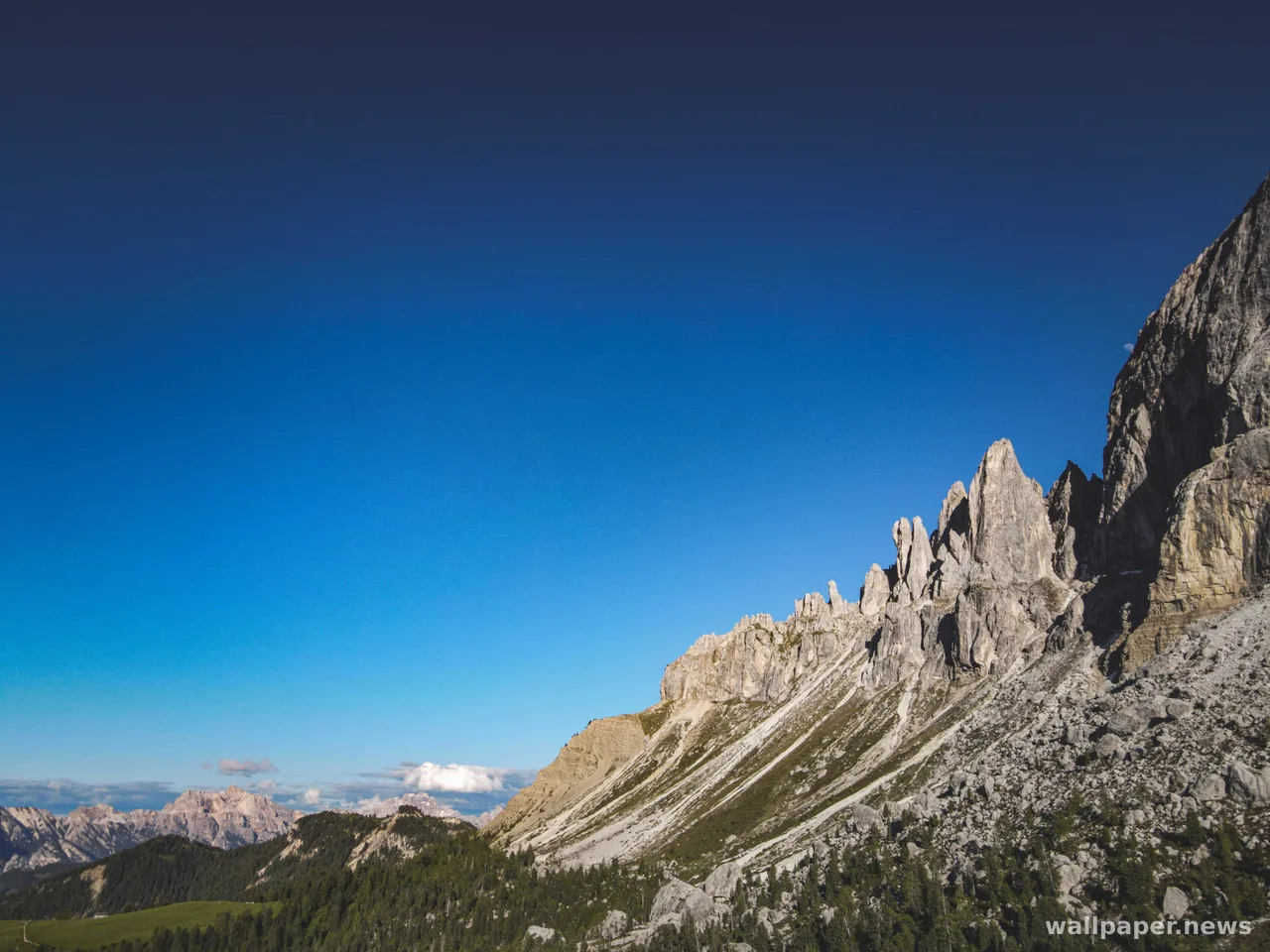
Photographs of it are often blamed for looking edited, which says more about the color than about the photographer. Anyone who has stood in a cold valley watching a summit stay lit knows the picture is the conservative version. On a screen it works because the bright part is small and the rest is quiet, so the eye lands where the light is and then has somewhere dim to rest.