Sand Colour: Reading a Beach by Its Source
White, black, green and pink beaches are not tinted by the light or the sea; each colour is a record of what broke down to make the sand.
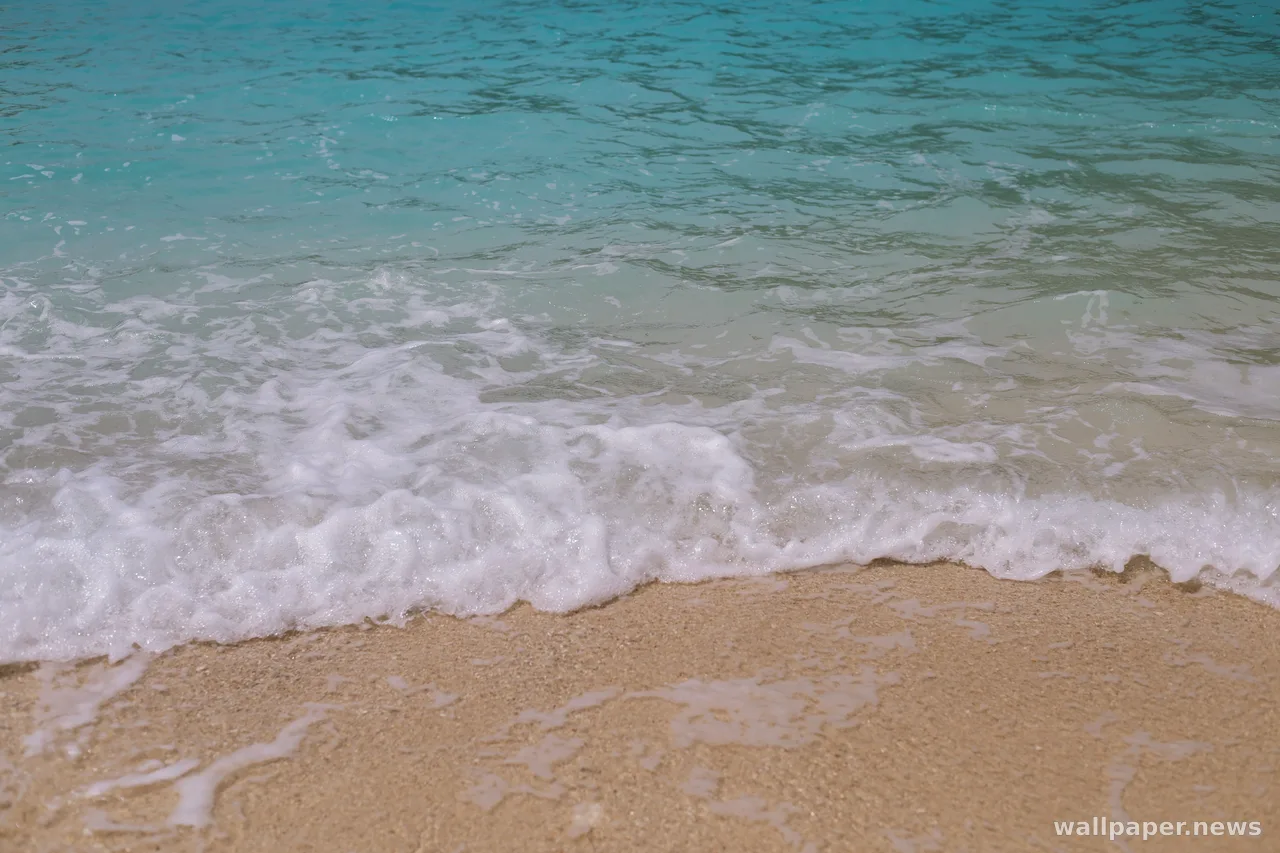
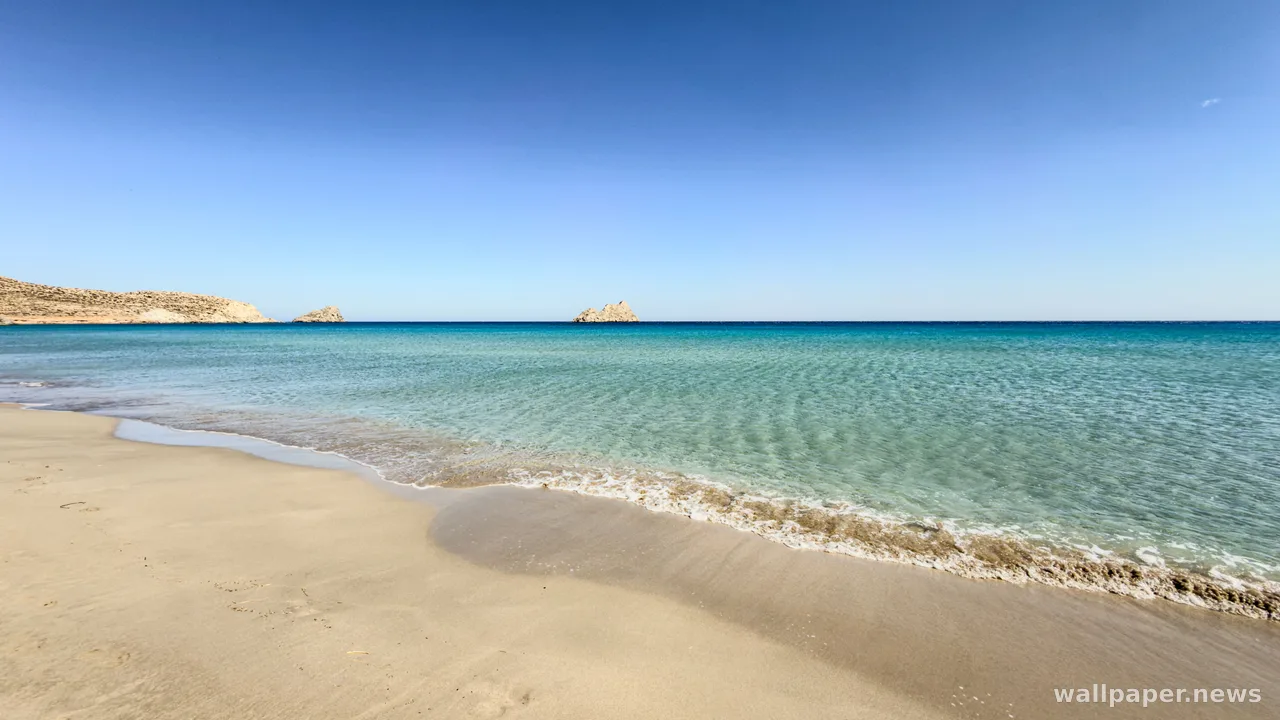
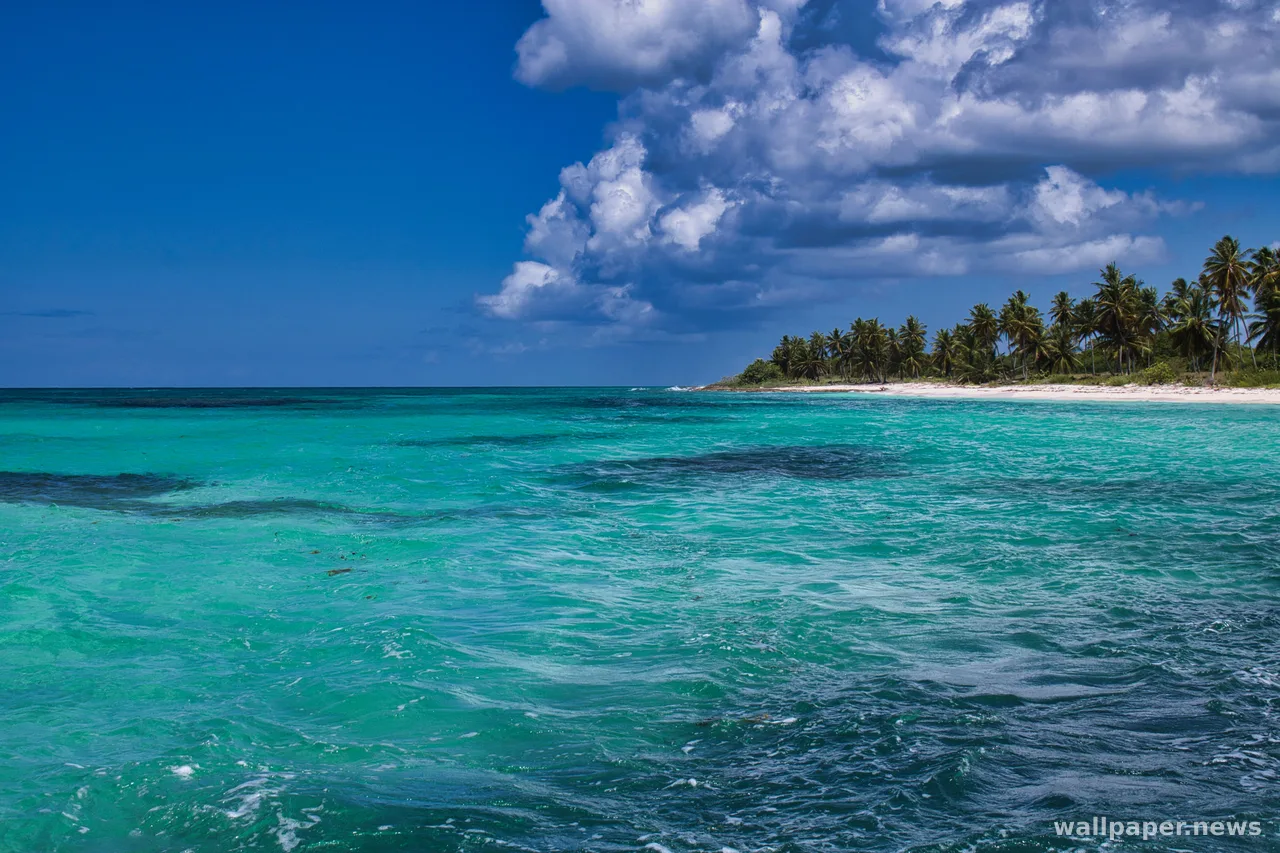
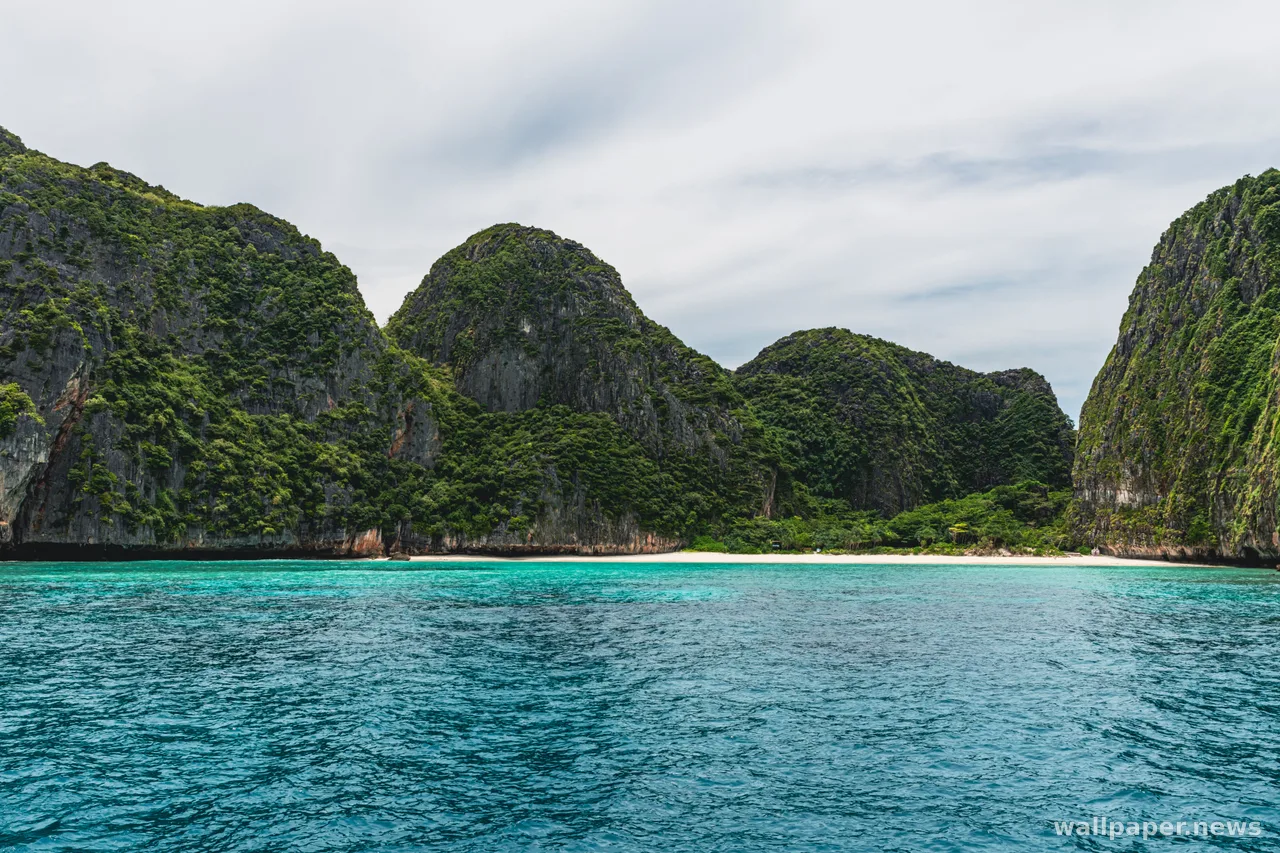
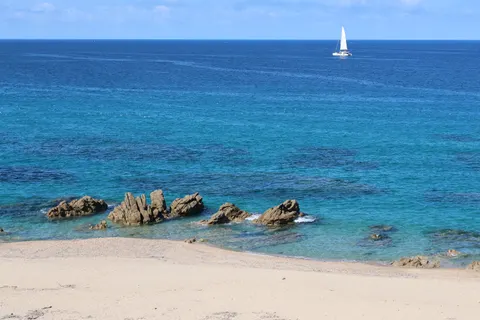
Most of the world's pale beaches are quartz, the most stubborn mineral in granite, which survives the long trip down rivers after almost everything softer has worn away. A thin coating of iron oxide warms it toward beige or gold. The bright white sand of many tropical islands is different stuff altogether: fragments of coral, shells and lime-making algae, a good share of it bitten off the reef and ground fine by grazing parrotfish.
Black sand comes from basalt, lava cooled and broken by the surf, which is why it gathers on volcanic coasts in Iceland, Hawaii and the Canaries. Where the rock held plenty of olivine the grains can turn olive green, as at Papakōlea on Hawaii's southern tip. The pink beaches of Harbour Island in the Bahamas take their colour from foraminifera, single-celled animals with red shells that wash in and mix with the pale coral sand. Sand rarely travels far, so a beach is usually a portrait of the rock just behind it.
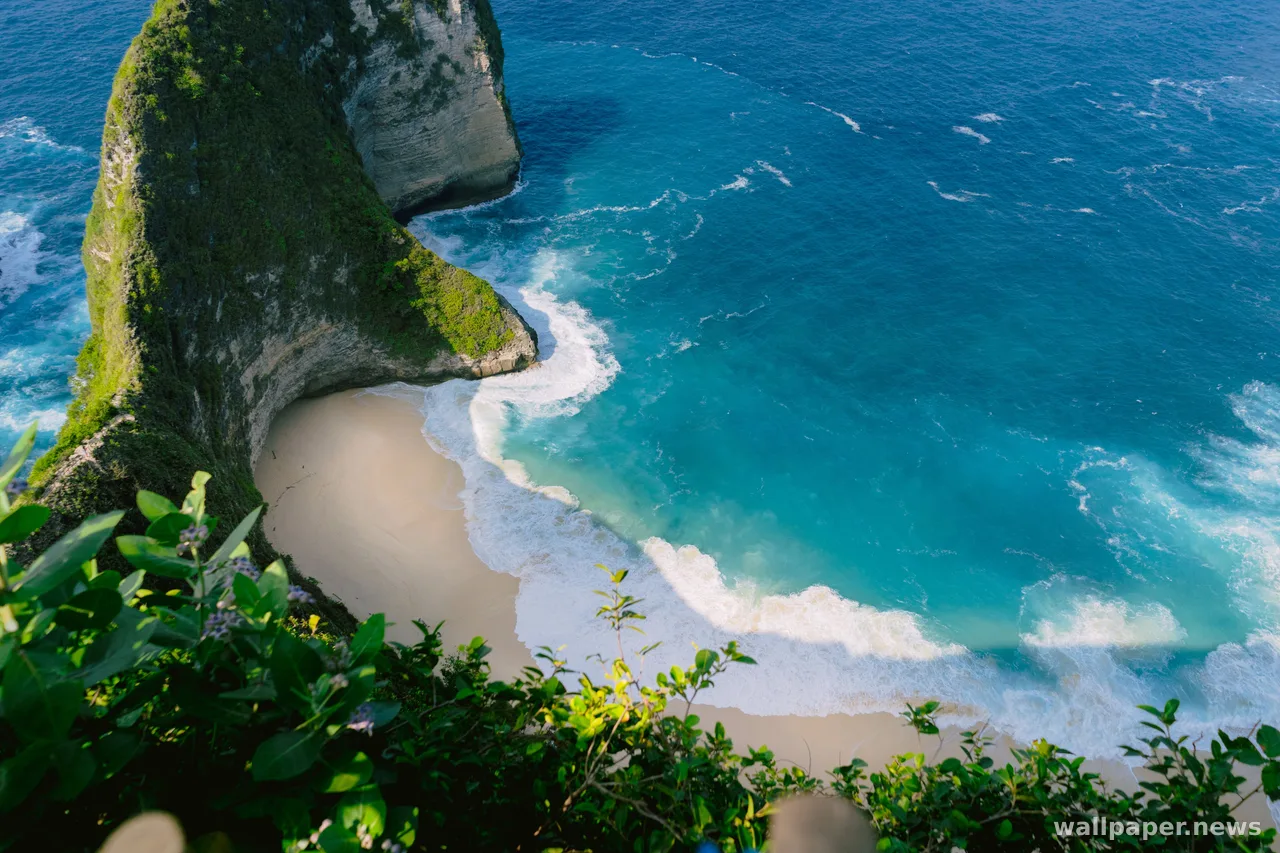
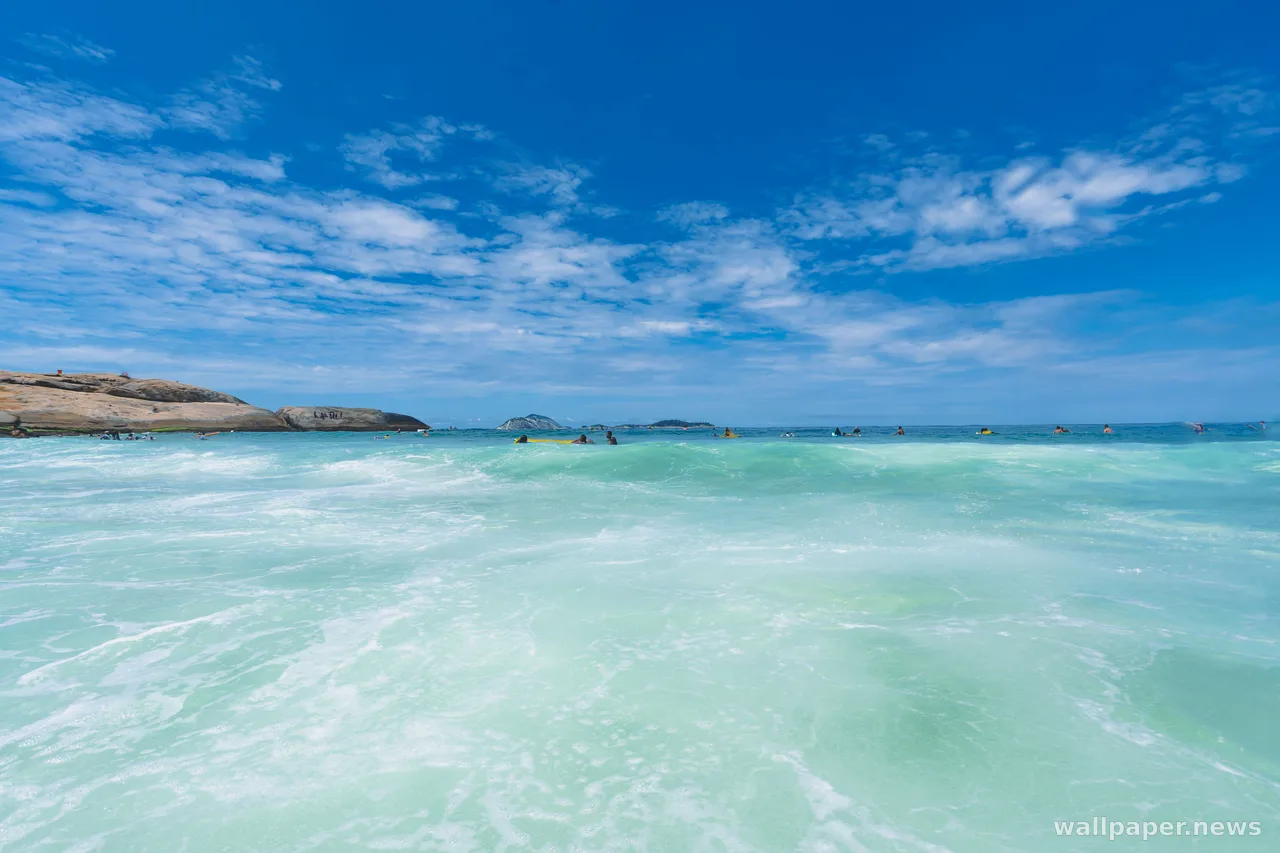
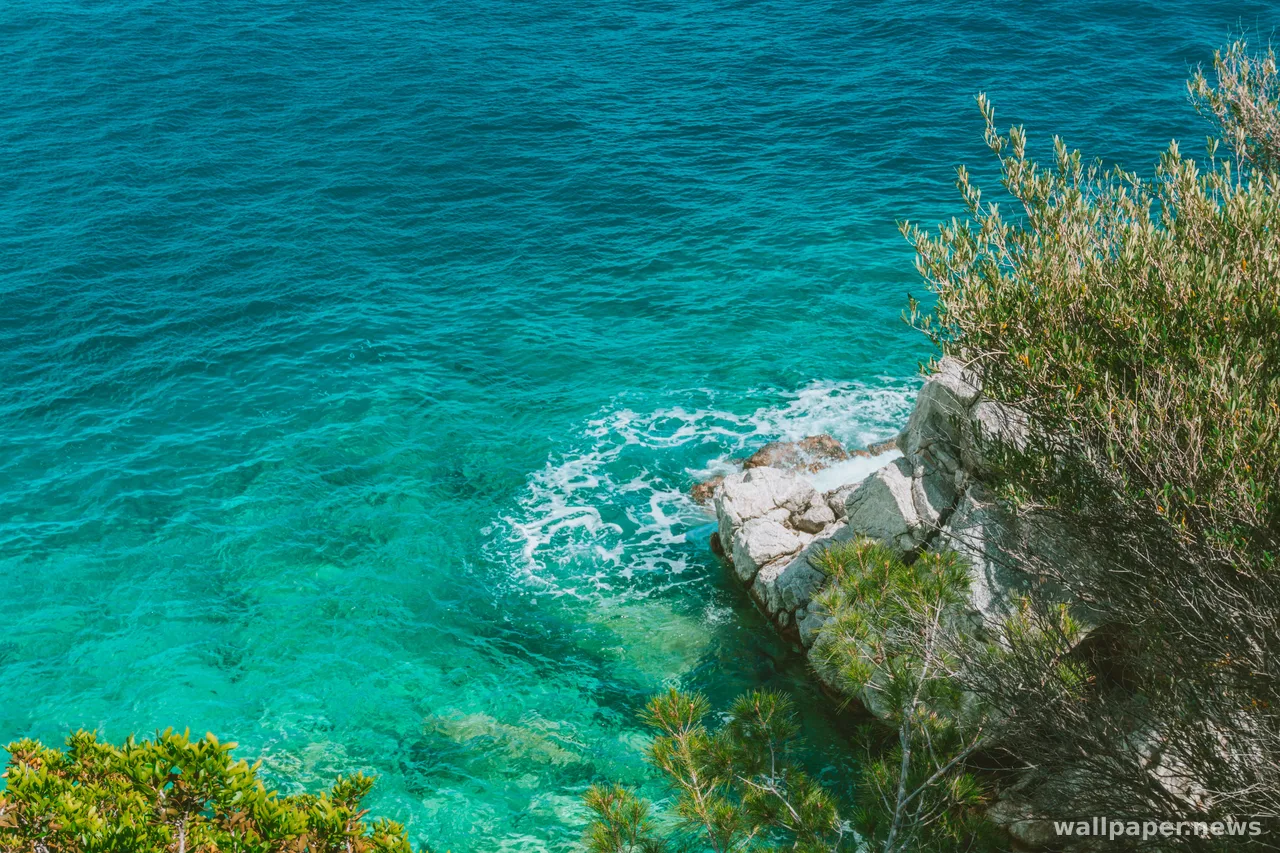
In a photograph the sand also works as a reflector. White coral sand throws light back up into the shadows and is half the reason shallow water reads as turquoise; black sand swallows it and leaves the foam and the wet edge to carry the contrast. On a screen the difference is practical too: a pale beach lifts the brightness of the whole desktop and leaves white icon labels little to stand on, while a dark one keeps the screen calm and lets the line of surf do the drawing.