Wallpaper That Follows the Time of Day
A desktop tied to the sun asks less of your attention than one that changes on a timer.
The mechanism is plainer than it looks. A dynamic desktop is one file holding a dozen or more frames of the same view, each tagged with the sun's altitude and azimuth at the moment it was taken; the system compares those numbers against the sun's position at your latitude and swaps in whichever frame is closest. Nothing is generated, nothing is tinted. The picture you get at four in the afternoon in December is not the one you get at four in June, because the sun is not in the same place, and the file was indexed to the sun rather than to the clock.
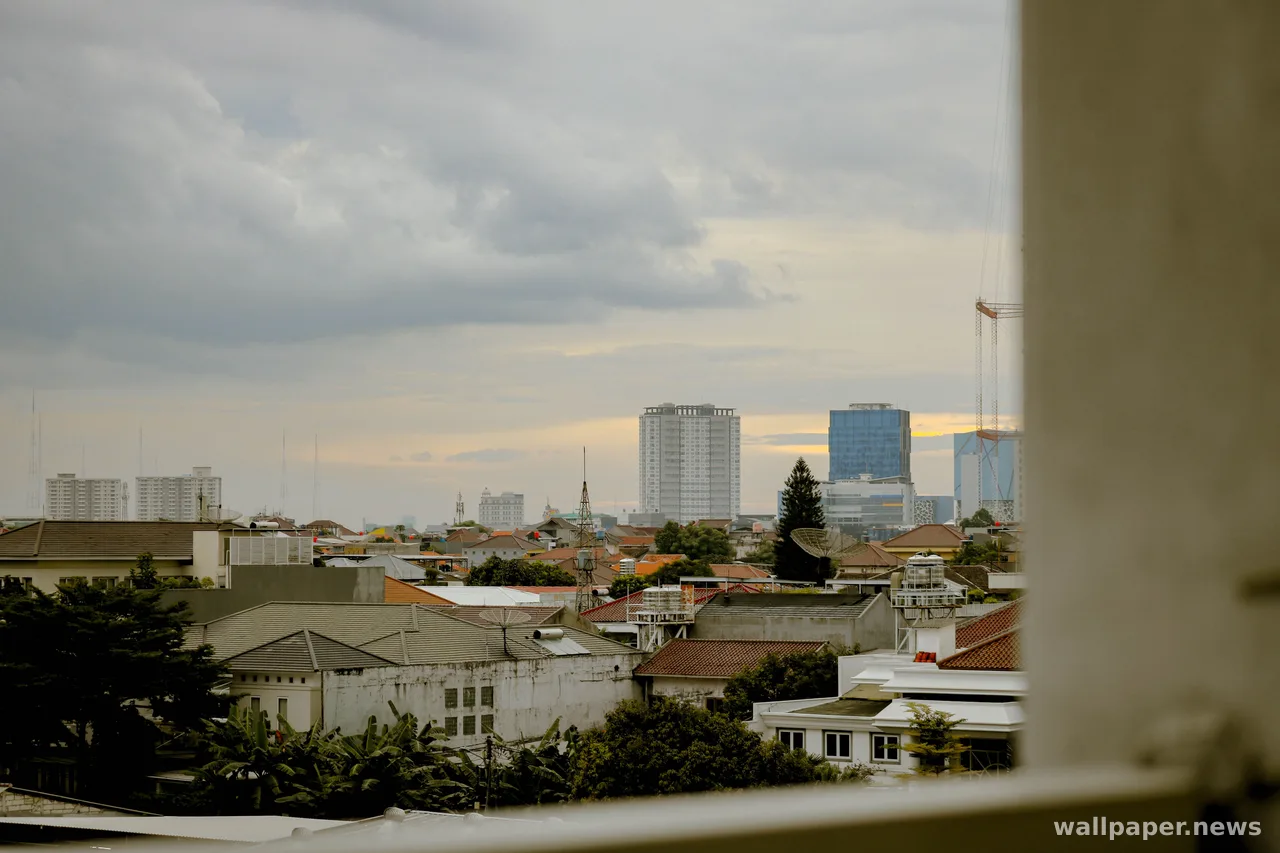
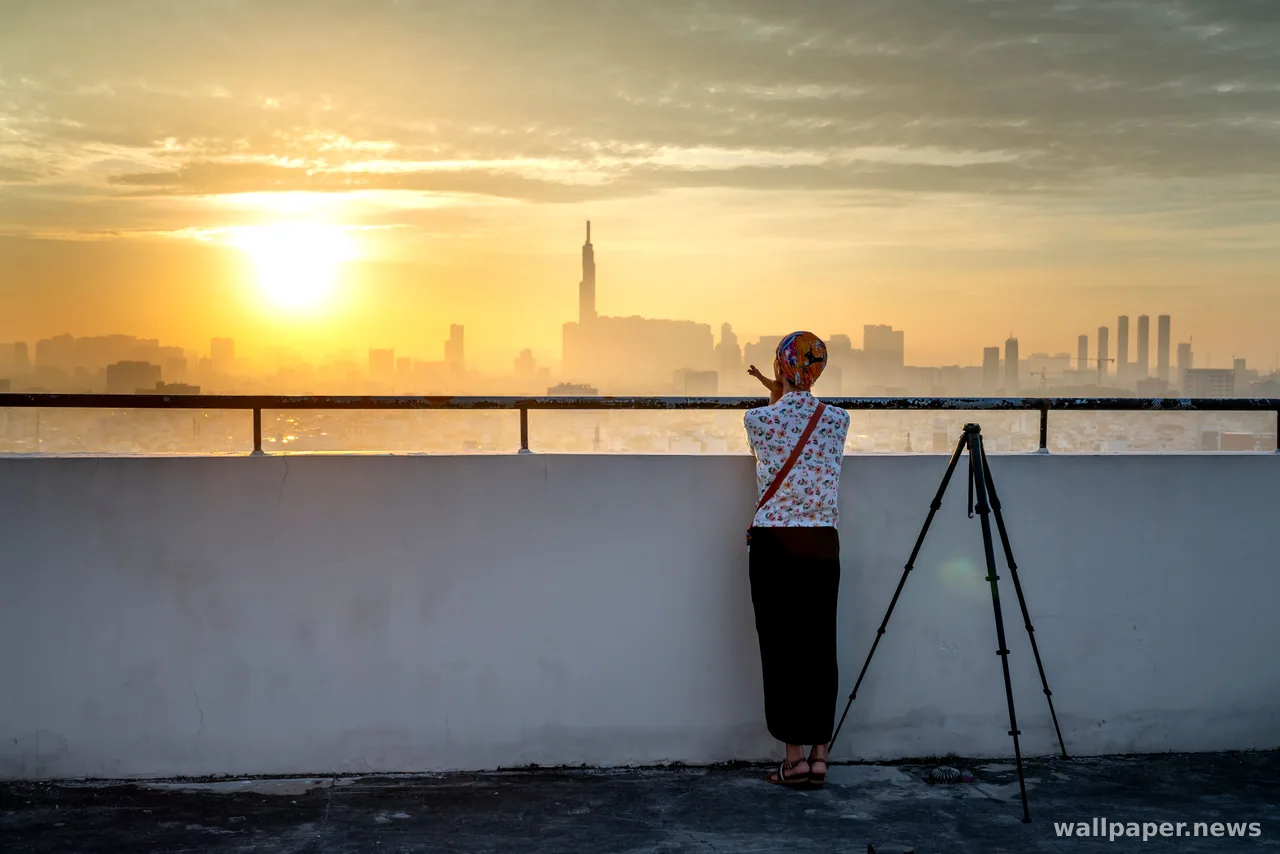
As an experience it is mostly invisible, which is the point. The change happens behind a full-screen window and you meet it later, at the edge of a shrunk browser, already two frames along. Because every frame in a set comes from one tripod position, the sequence reads as one place aging through a day rather than a shuffle of unrelated places, and that continuity is what keeps it from feeling like a slideshow running in the background.
The failure case is worth knowing before you install a set. If the frames disagree on white balance or a cloud moves between them, each switch registers as a glitch instead of as weather, and you start watching for it. Sets with sixteen full-resolution frames also run to several hundred megabytes, which is a real cost for something you look at in fragments. When it works, the screen does the one thing a still image cannot: it stays slightly behind the window, and lets you notice the hour without checking it.