The Horizon Is Closer Than It Looks
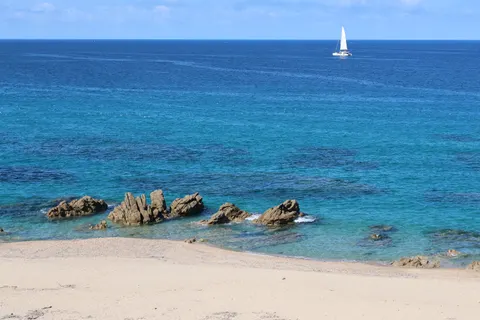
Standing on a beach, the edge of the sea is about five kilometres out, and it keeps that distance however far you walk.
The horizon is a circle with you at its centre, and it always sits at eye level. Its radius follows from height alone: roughly 3.6 kilometres times the square root of your eye height in metres. At 1.7 metres that comes to 4.7 kilometres, a little under five once the atmosphere bends the light slightly downward and lets you see a few percent further. Sitting on the sand drops it to 3.6.
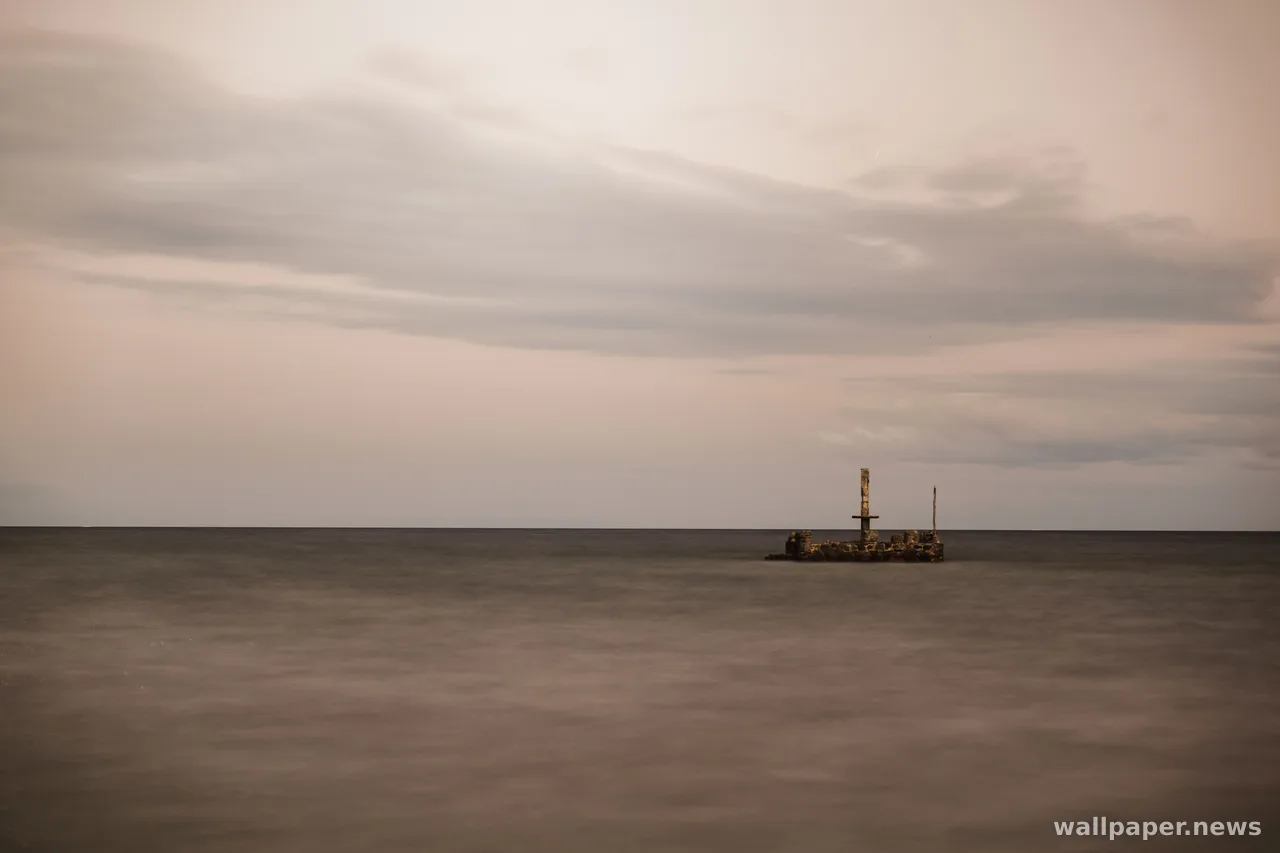
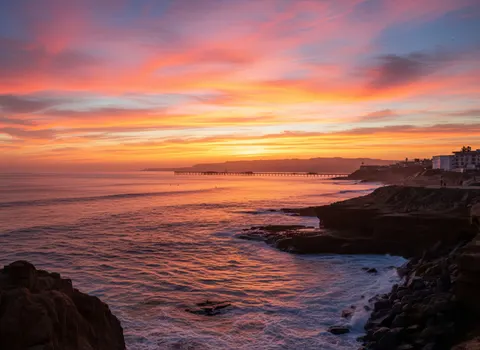
Since the distance depends on height and nothing else, walking toward it changes nothing while climbing changes a great deal. Four times the height doubles the reach, so a hundred-metre cliff puts the line nearly 36 kilometres away. It also explains the order in which a ship leaves: the hull goes first, then the superstructure, and the mast stays visible for some minutes after the deck has gone under the curve.
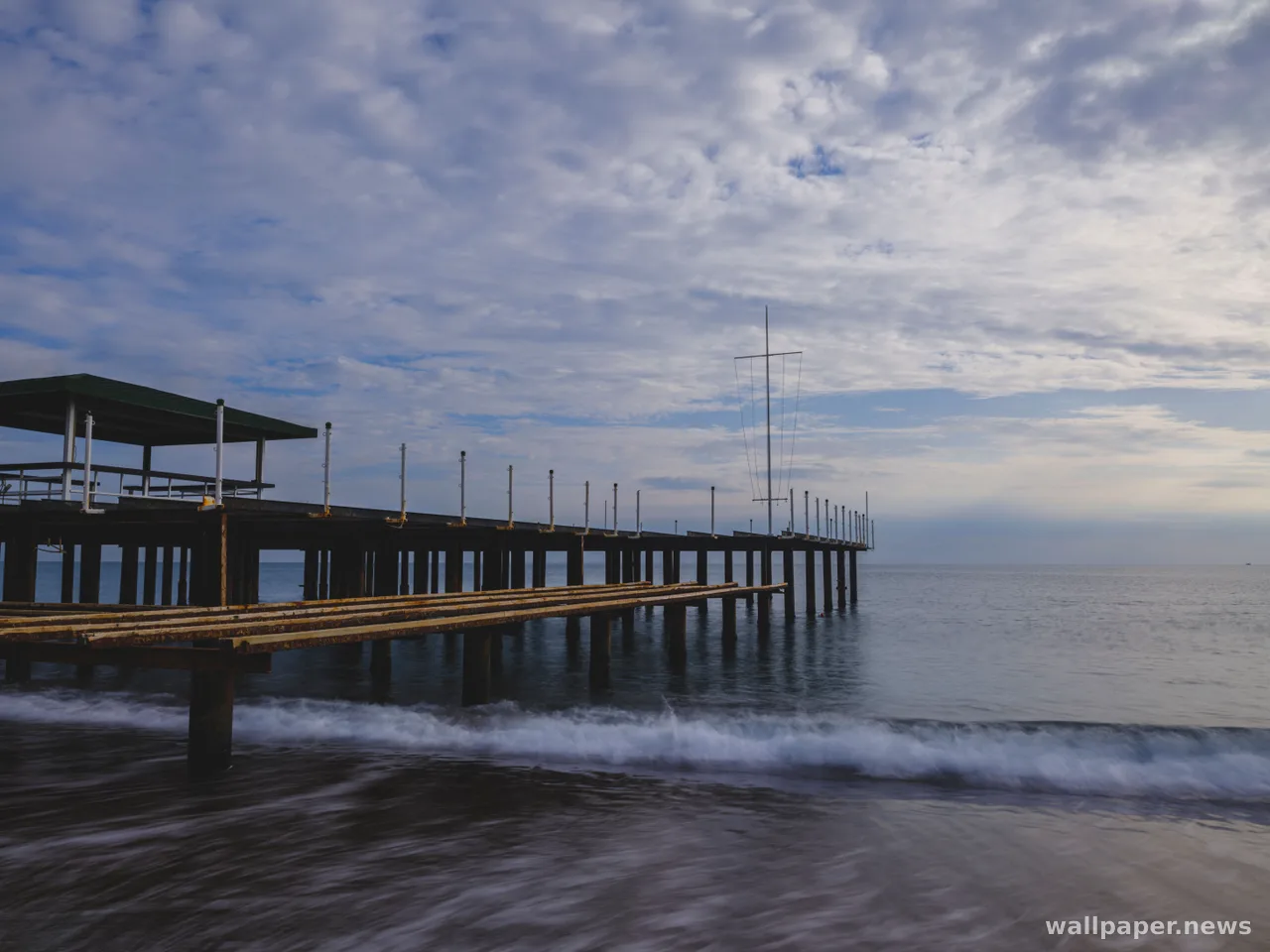
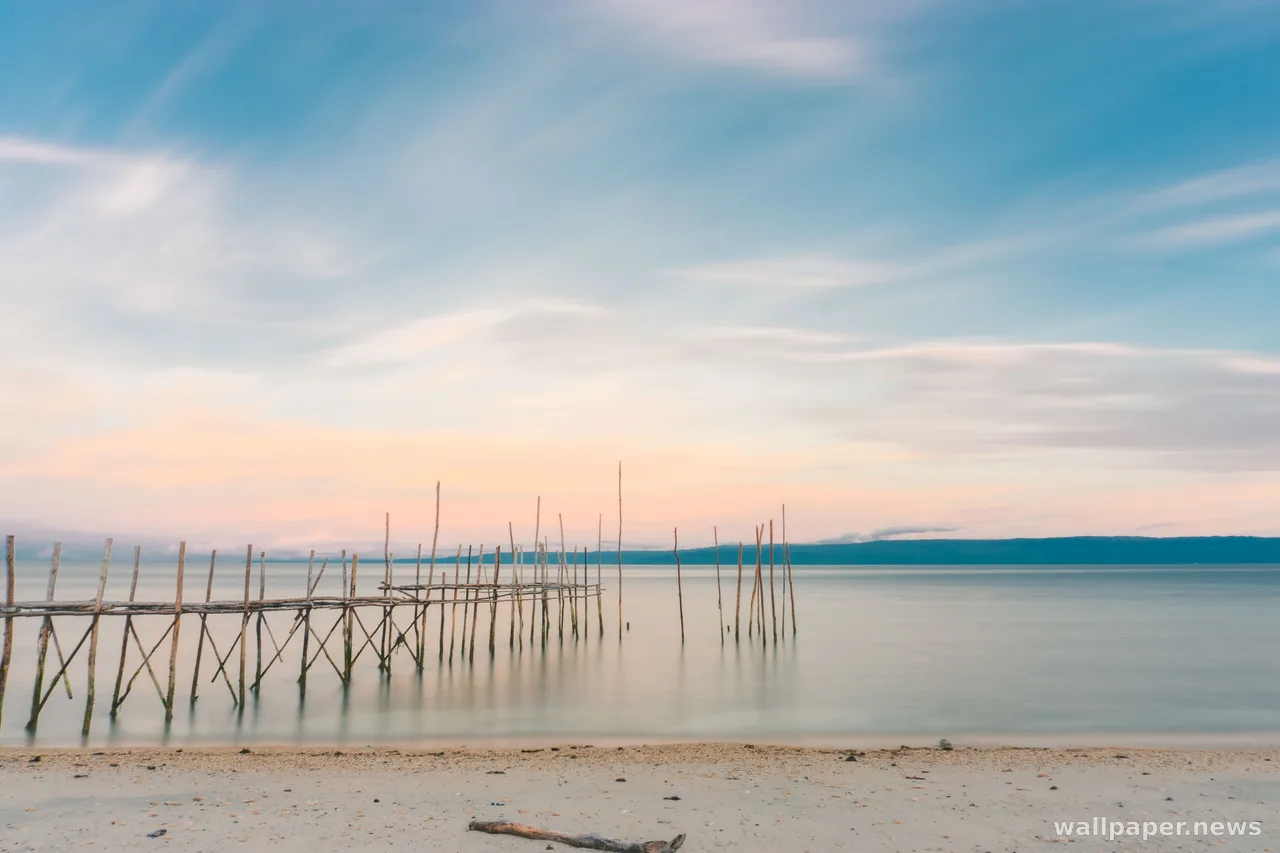
In a photograph the horizon quietly reports the camera height, low and near for a picture taken from the sand, further out and thinner from a headland. On a screen it does something else as well, giving the eye one dependable level in a frame where everything else is texture. Five kilometres is an hour on foot, which may be why a sea view feels open without feeling endless.