Swash Lines: Where Each Wave Stopped
The thin curved lines on a sloping beach each record the exact point where one wave ran out of energy.
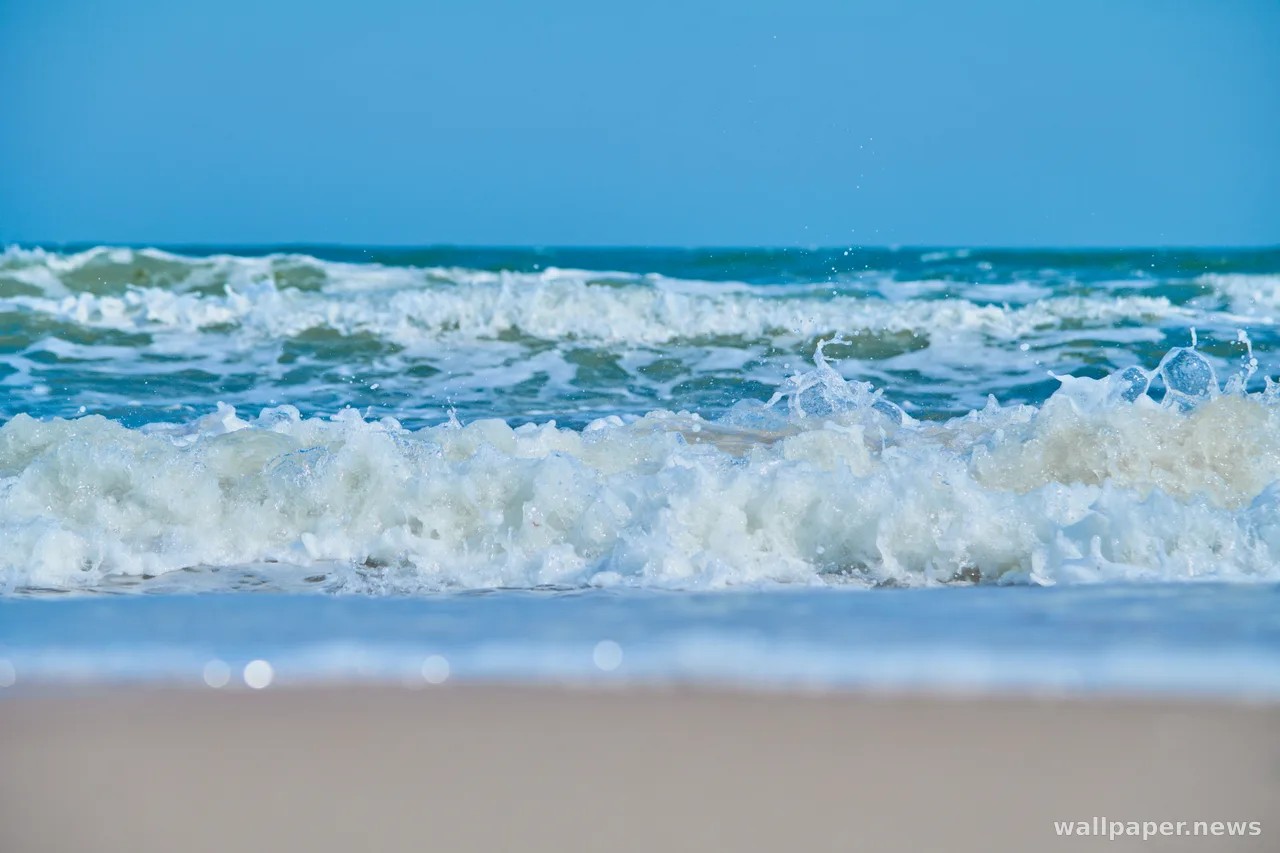
After a wave breaks, the water that runs up the beach is called the swash, and it thins as it climbs until it is only a film a few millimetres deep. At the moment it stops, the lightest things it carried, fine sand, flakes of mica, scraps of foam and seaweed, are dropped along its front edge. Then the backwash drains away beneath them and leaves a ridge often less than two millimetres high.
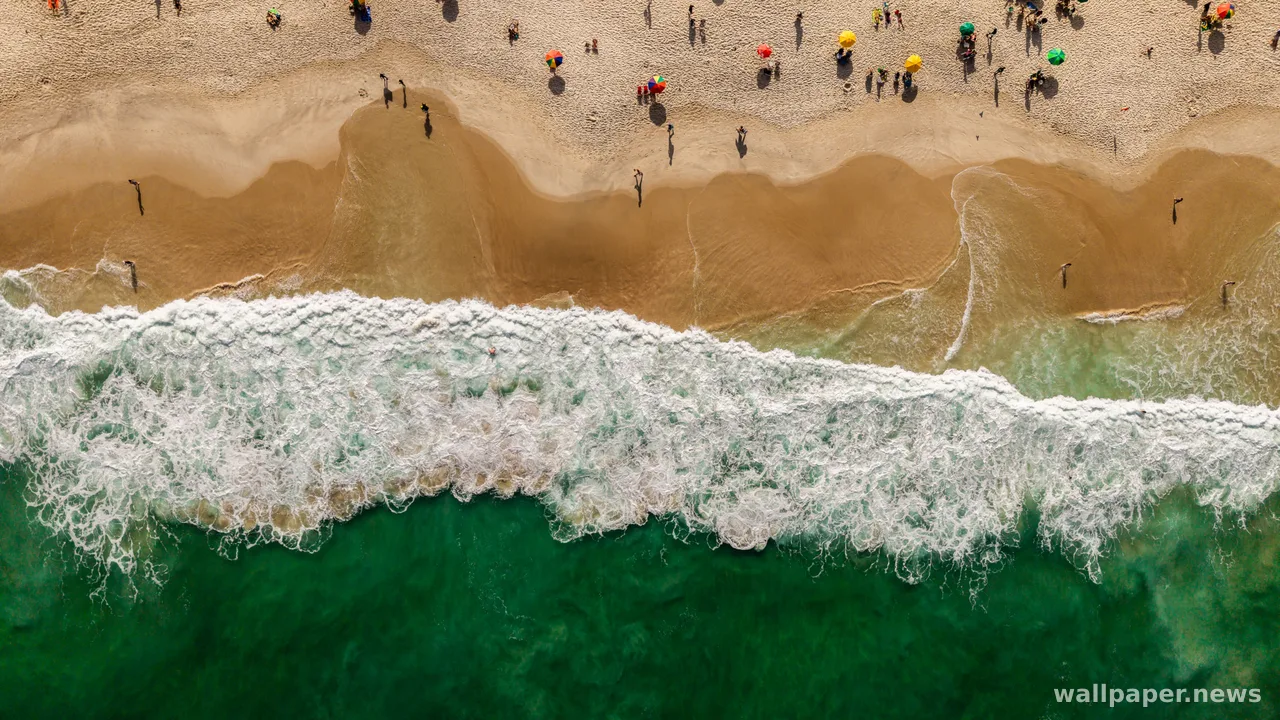
Each line is an arc bowed toward the land, because the middle of a wave runs further up than its sides. Newer arcs cut across older ones, so a stretch of beach becomes a stack of overlapping scallops, and the highest intact one shows roughly how far the sea reached in the last hour. On a rising tide the lines are erased almost as fast as they form. On a falling tide they are left behind in order, stepping down the slope, and the sand keeps a short record of the water going out.
To the eye they are faint at midday and clearest in low, raking light, when each tiny ridge throws a shadow longer than itself; dark grains of heavy minerals help as well. Photographed from standing height, they read as fine curved strokes on a smooth ground, detailed up close and nearly empty from a step back. On a screen that is exactly what you want from a pattern: there when you look for it, and quiet while you are looking at your icons.