When the Tide Leaves a Mirror
At low water the beach turns to glass, and the sky gets a second, quieter copy of itself.
The tide does not so much retreat as develop the sand, leaving a thin film of water that holds the light like a photographic plate. Walk out onto it and the ground beneath your feet doubles the clouds, so that you seem to stand on the seam between two skies. Photographers wait for this narrow window, when the sea has gone but the shine has not yet drained away.
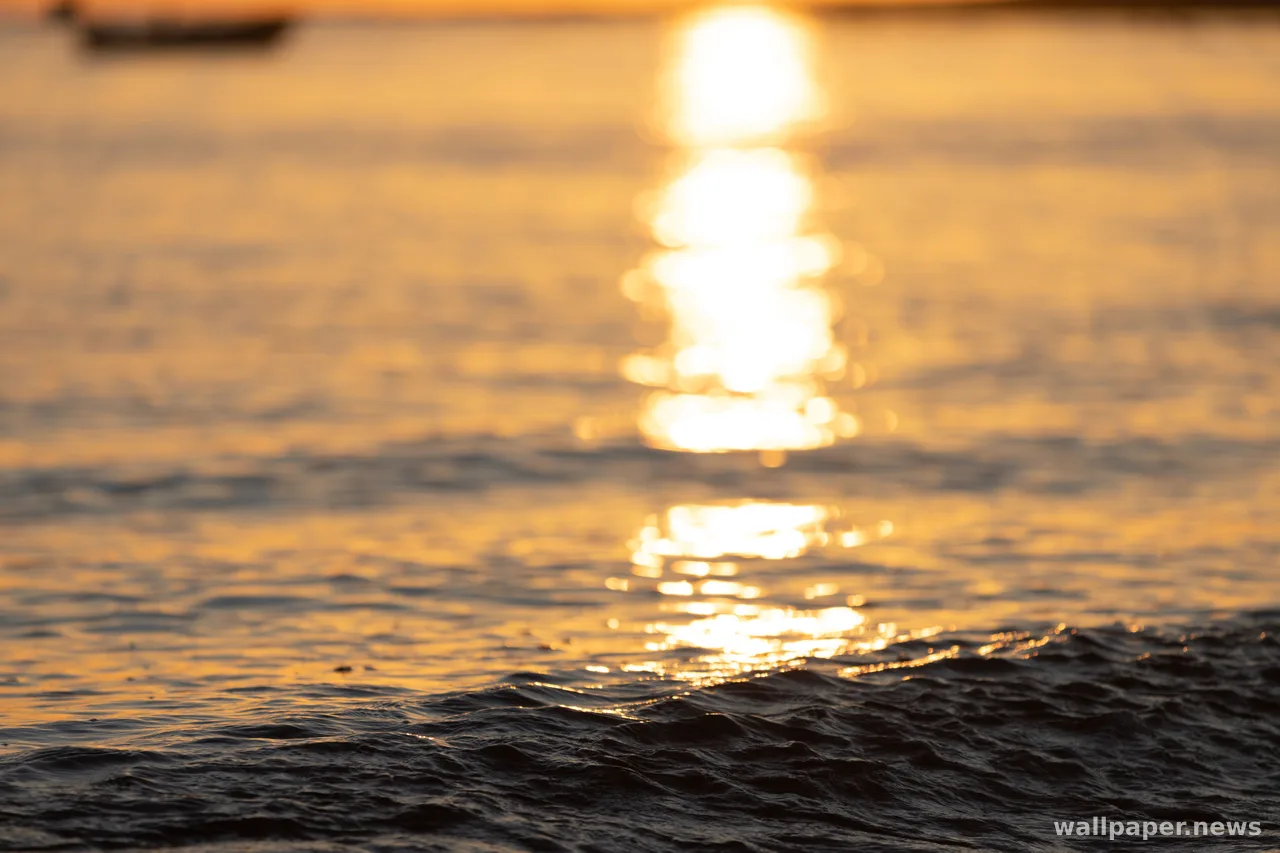
The trick is to expose for the sky and let the sand borrow its colours. A low angle helps; the closer the lens sits to the wet surface, the longer the reflection runs toward the horizon. If the water is still moving, a slow shutter irons its ripples into a smooth sheet, and the reflection loses its seams, so footprints become the only evidence that the mirror is real and not simply another sky.
What the beach offers, briefly, is symmetry without stillness: the tideline keeps shifting even as it lies flat. On a screen the effect settles. The horizon sits across the middle, the light folds once, and the eye is given two calm halves to rest between. It is a picture that asks for nothing, which is exactly why it wears well behind everything else.