Foam: Why the Sea Turns White
Nothing new is added when a wave breaks. The water simply stops being one thing and becomes millions of small ones.
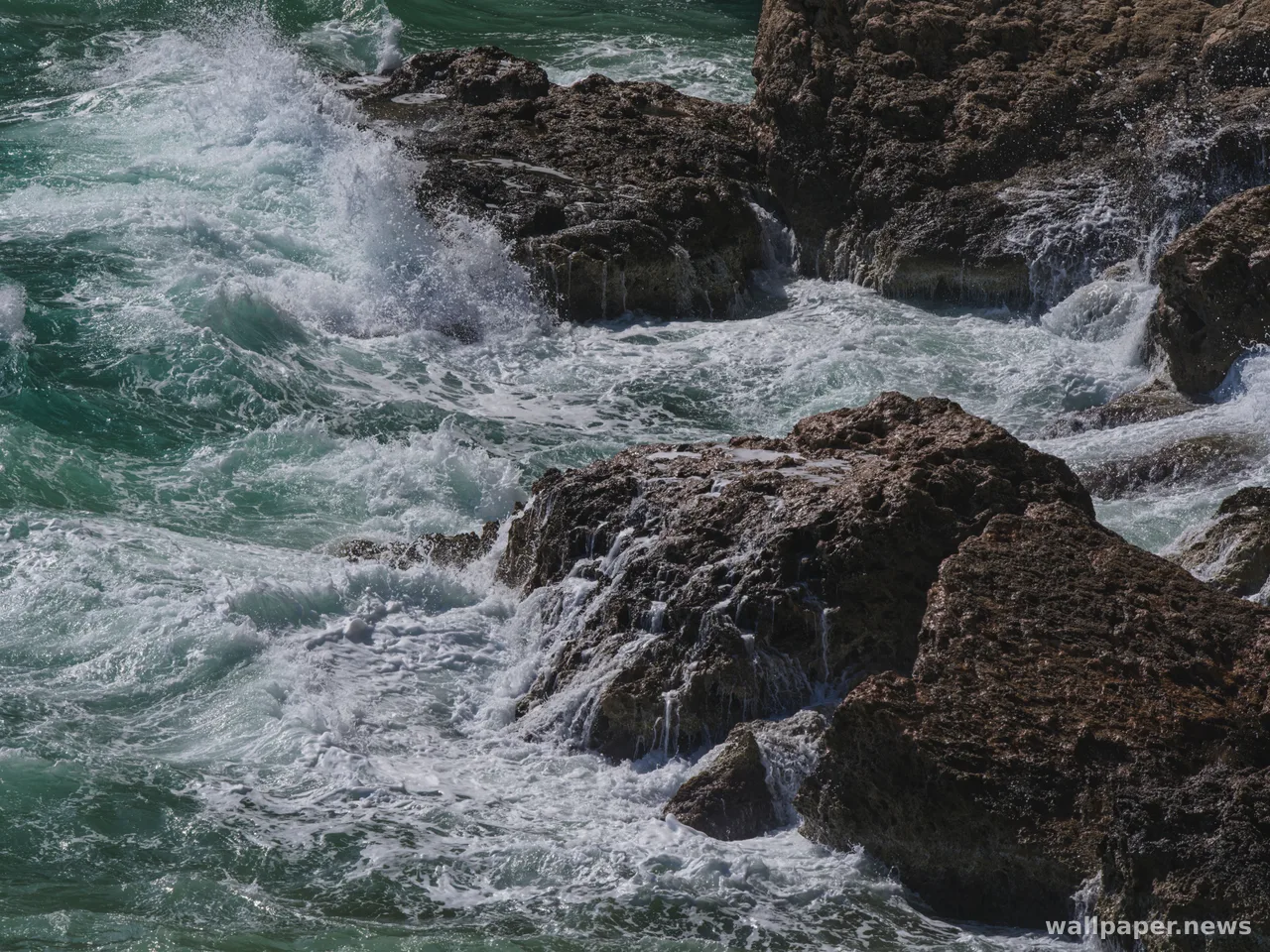
Sea water is more or less transparent, and so is air, yet a broken wave is the whitest thing on the coast. The colour comes from the count: a breaker folds air into water until there are millions of bubble walls per handful, and every wall bends and bounces a little light in a different direction. Nothing favours one wavelength over another, so everything that goes in comes back out mixed, which our eyes read as white. Crushed ice and snow work the same way.
Pure water cannot hold this. Bubbles in clean water burst almost as soon as they form; what keeps sea foam standing for a few seconds are the proteins and other organic films left behind by plankton, which stiffen the surface of each bubble enough to survive a moment of daylight. That is why foam is thickest in seasons and places where the water is most alive, and why it collects in the corners of bays rather than spreading evenly.
For a photograph the whole question is time. At a thousandth of a second the foam is lace, every bubble edge intact; at half a second the same water is a smooth veil drawn over the rocks, and at ten seconds the shore looks like it has been covered in fog. On a screen, foam is where the picture keeps its highlights, so a seascape saved as a wallpaper is mostly a decision about how bright that white is allowed to be.