Lighthouses: A Sentence Made of Light
Every lighthouse says the same thing in its own rhythm — you are near the edge.
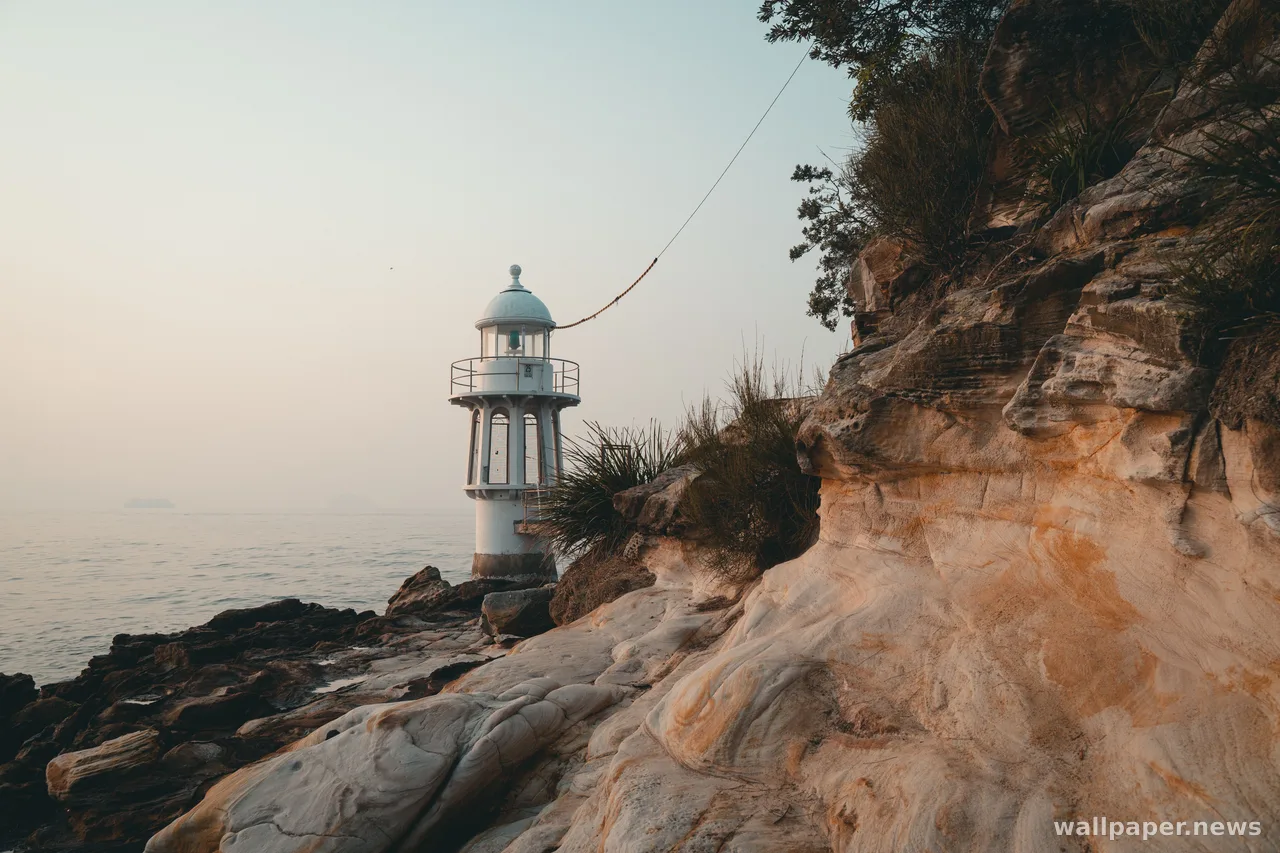
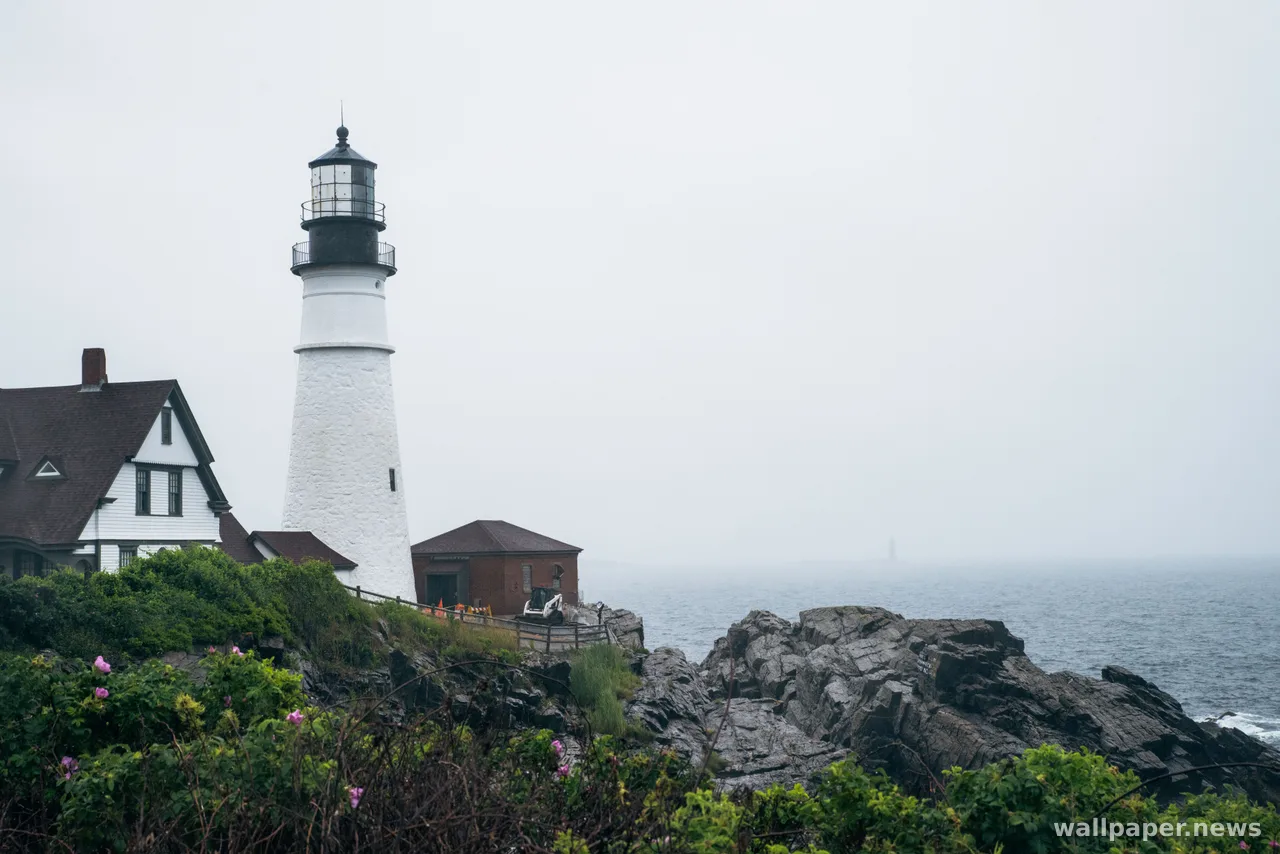
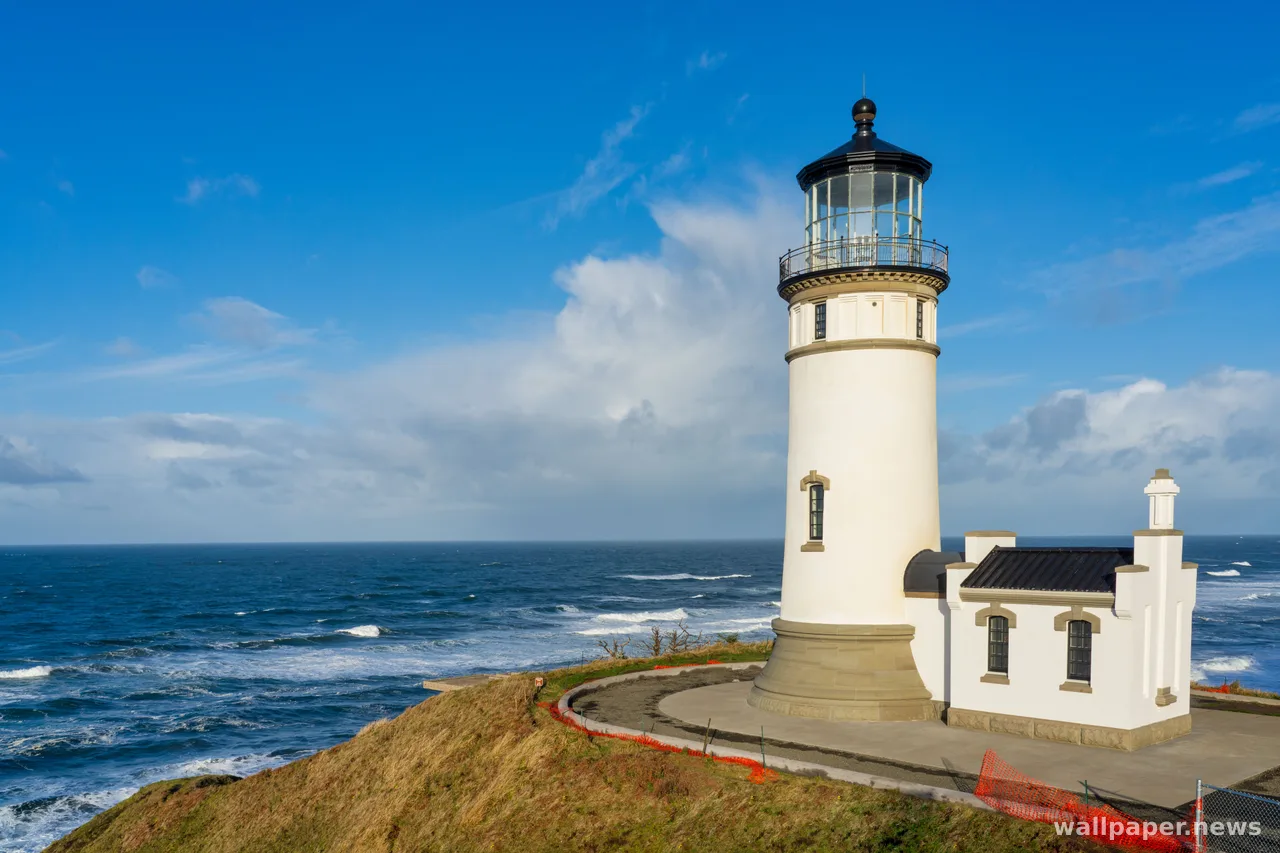
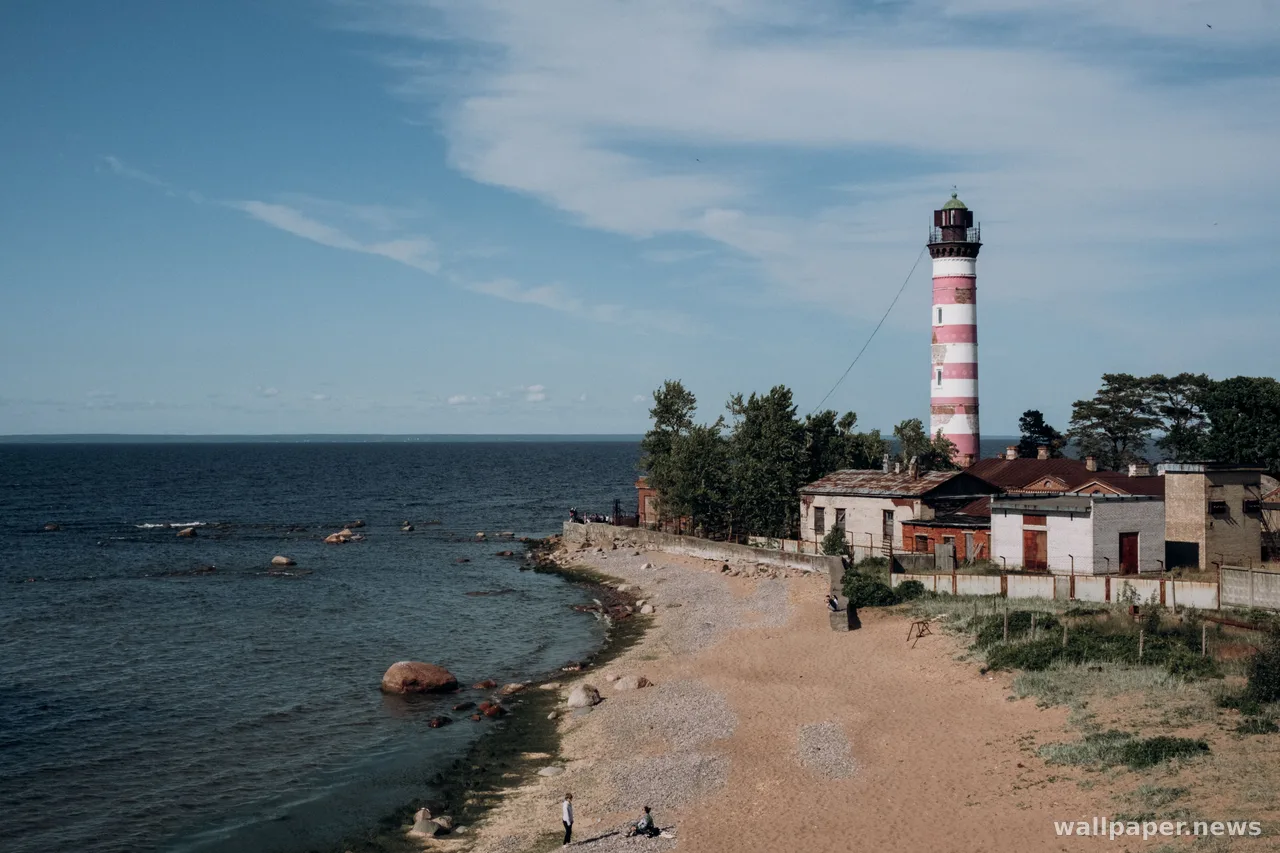
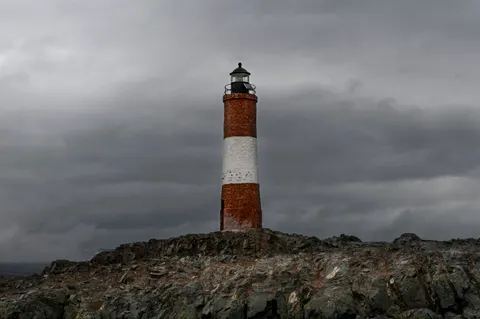
A lighthouse is one of the few buildings designed to be looked at from far away and mostly at night. Everything about it is a compromise with distance. The stripes are painted wide so they read as a shape, not a pattern, from a boat that is still an hour out. The tower stands tall not for the view but so the horizon curves away a little later.
What the light actually says is a number. Each lighthouse flashes on a fixed interval — three seconds dark, one second bright, or some other private arithmetic — so a sailor with a watch can tell one coast from another without seeing anything but the flash. It is the least romantic thing about them and the most useful: a name spelled out in pauses.
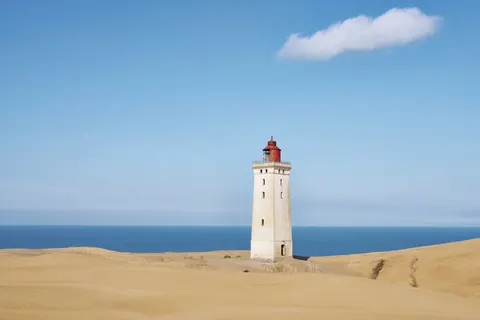
Most keepers are gone now, replaced by a sensor and a bulb that never sleeps. The building stays anyway, still doing the one thing it was built for, still talking to a sea that stopped needing it. On a screen it becomes a fixed point — the tower does not move while everything behind it, the weather and the water, quietly does.