Sunbeams: How a Forest Turns Light Into Something Solid
The shafts between the trees aren't light — they're everything light is bouncing off on its way down.
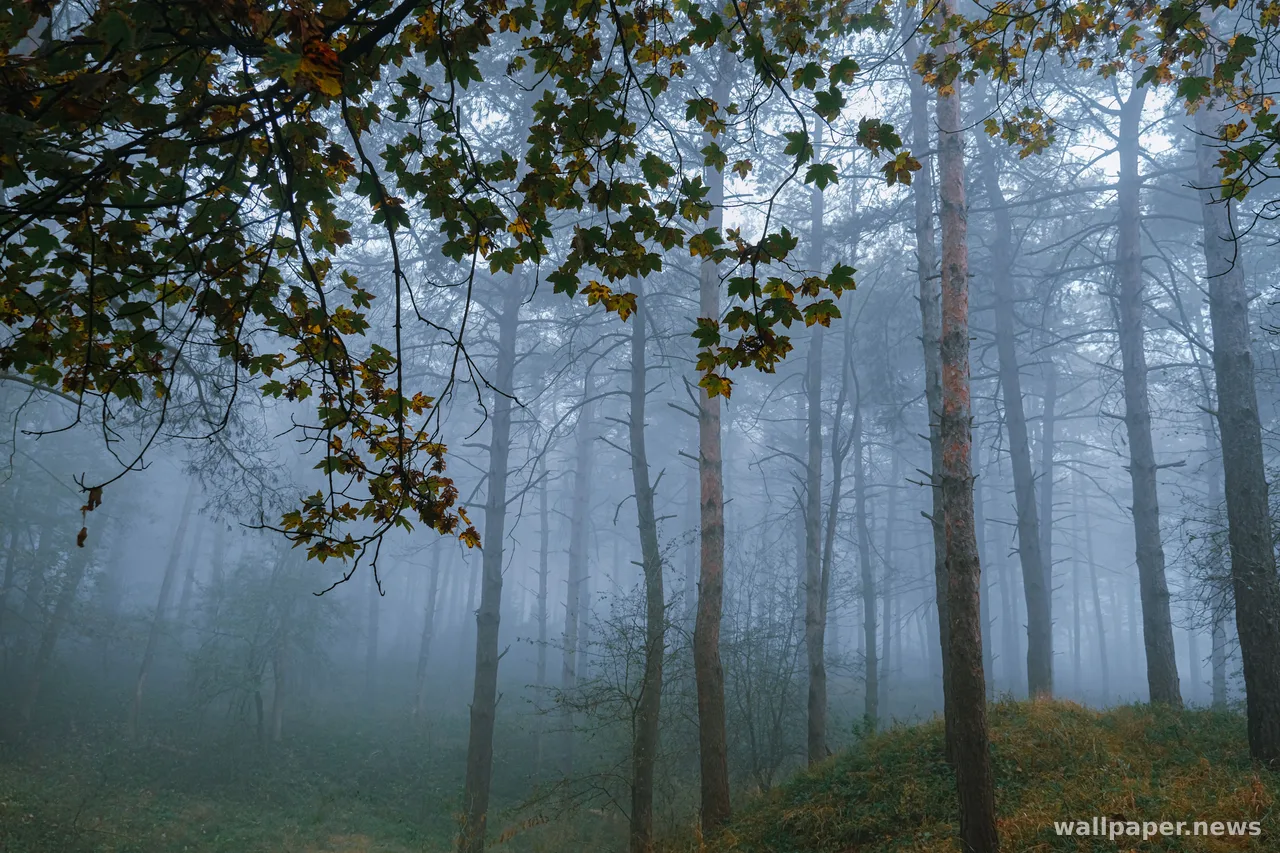
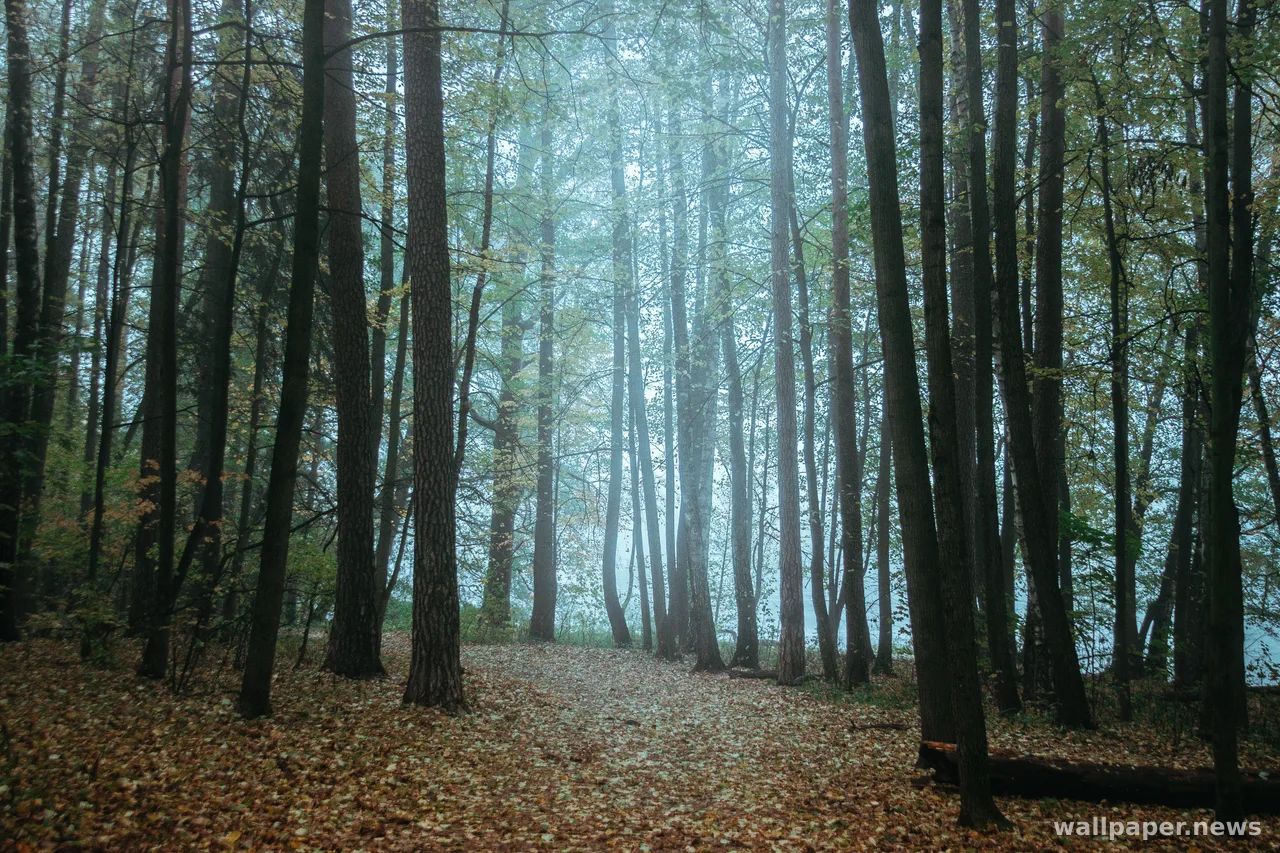
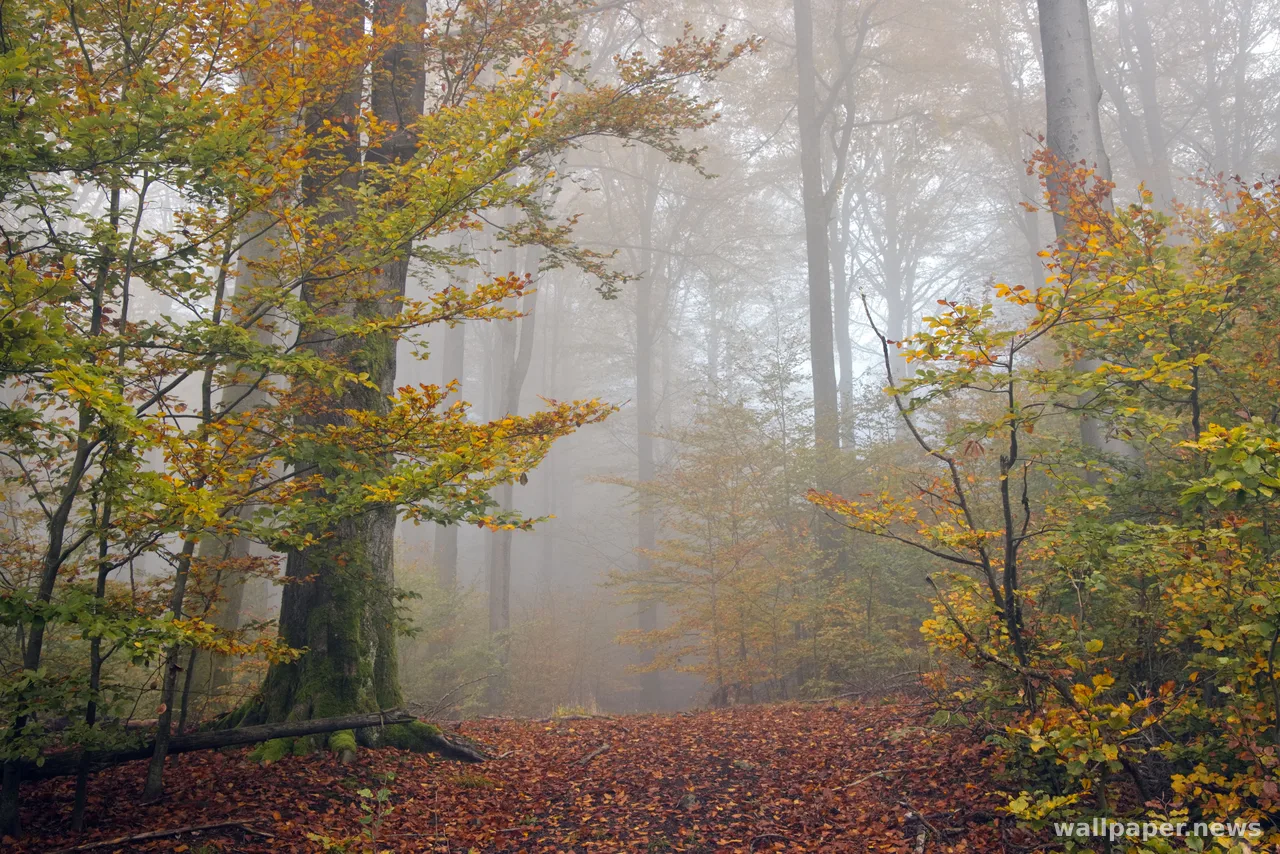
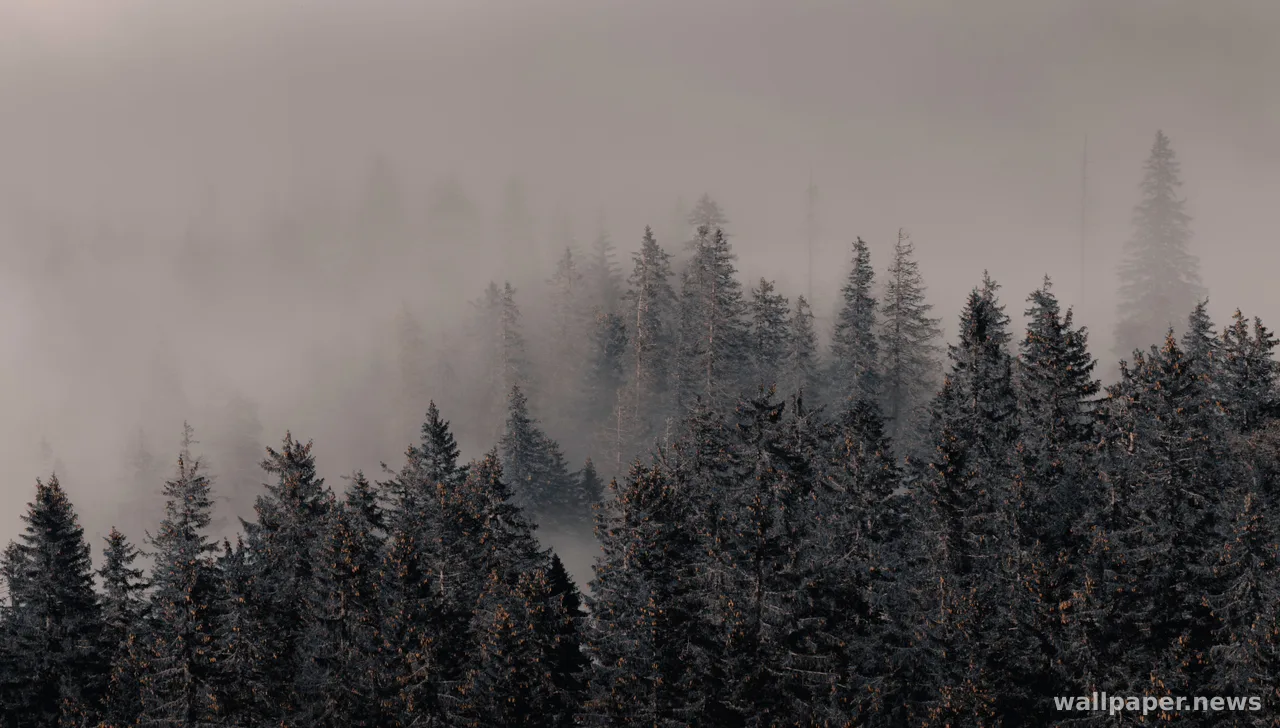
You cannot see light travelling. A beam only appears when it hits something, and on a misty morning the forest floor is full of things to hit: suspended droplets, pollen, a little dust lifted by the first warmth. The shafts you photograph are not the light itself but millions of tiny particles catching it and throwing a fraction of it back toward your lens.
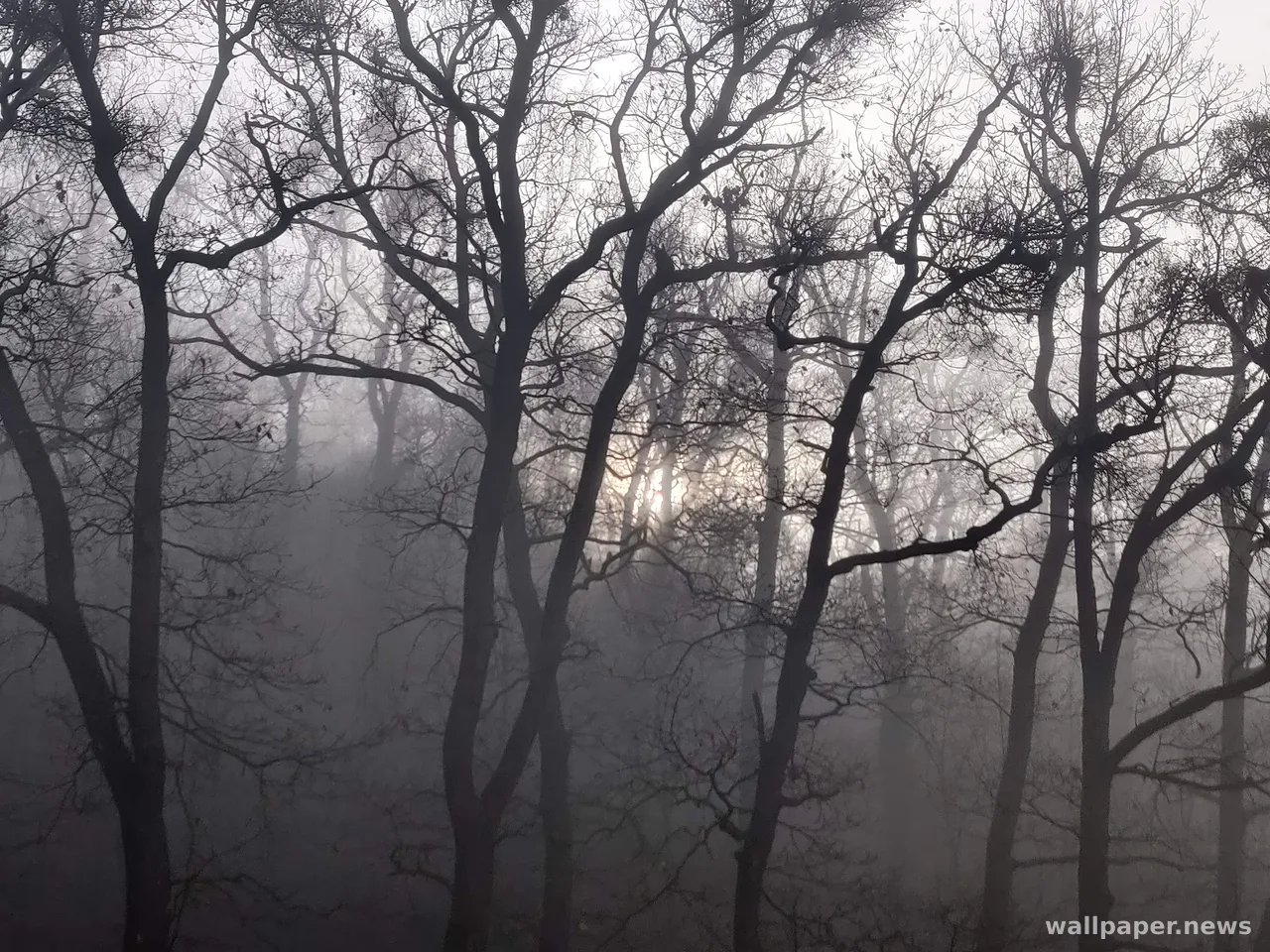
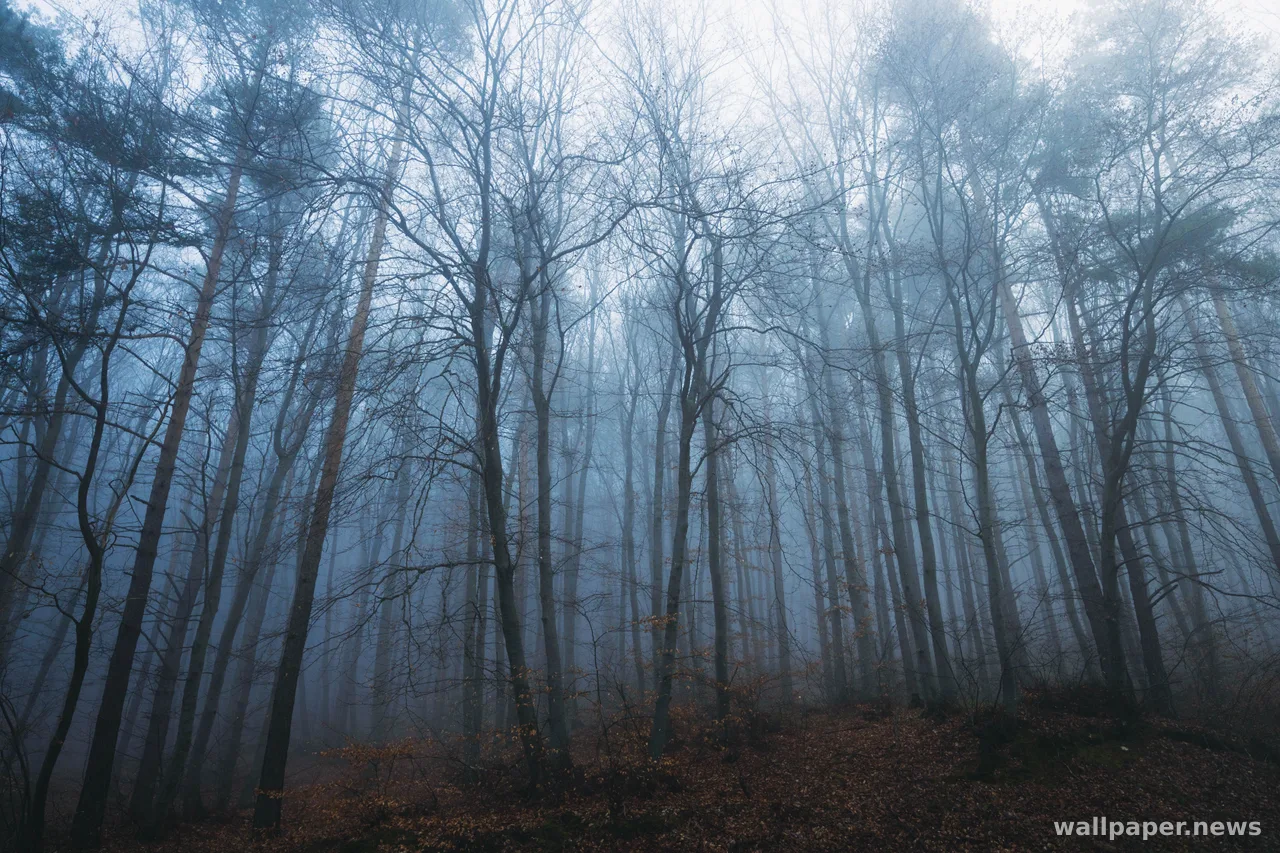
The trees do the rest. Their trunks and the gaps in the canopy work like the slats of a blind, cutting the low sun into separate columns. Move ten steps and the whole arrangement shifts, because the geometry depends entirely on where you stand relative to that one bright point behind the leaves. It is less a scene than an alignment.
It also does not last. The effect needs a low sun and air still heavy with moisture; an hour later the haze burns off and the beams stop existing, though the light itself is unchanged. On a screen the diagonal keeps the trick going — a direction, a time of day, a sense that it is early somewhere, even at midnight.