Purple, the Color Between Two Others
No single wavelength makes purple; the eye builds it from the two ends of the spectrum at once.
Every hue in a rainbow can be named by a wavelength except this one. Red sits near 700 nanometres, violet near 400, and purple is what happens when the cones tuned to each end fire together with nothing in the middle to explain them. The brain closes the gap by bending the spectrum into a circle, which is why colour wheels exist and why the line of purples is drawn, not measured.
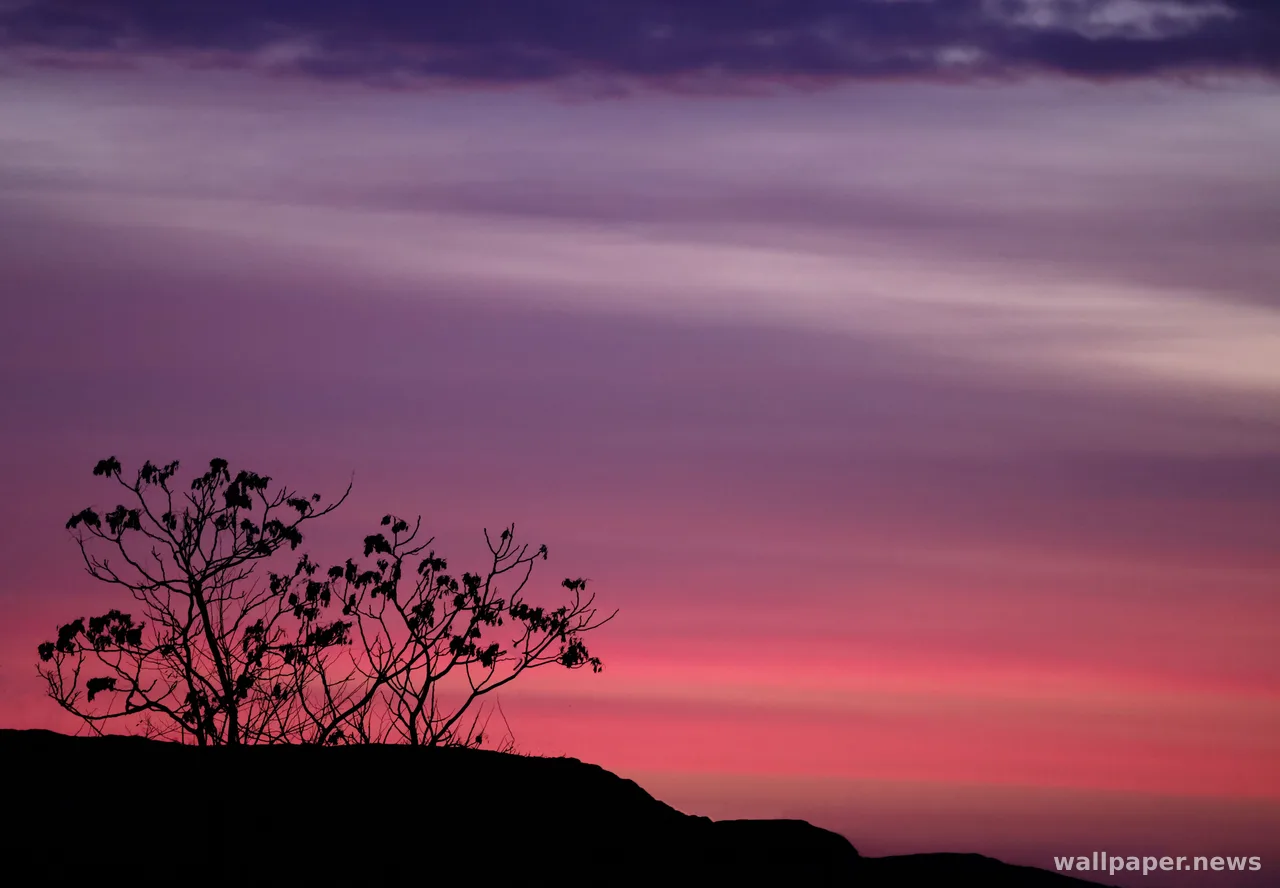
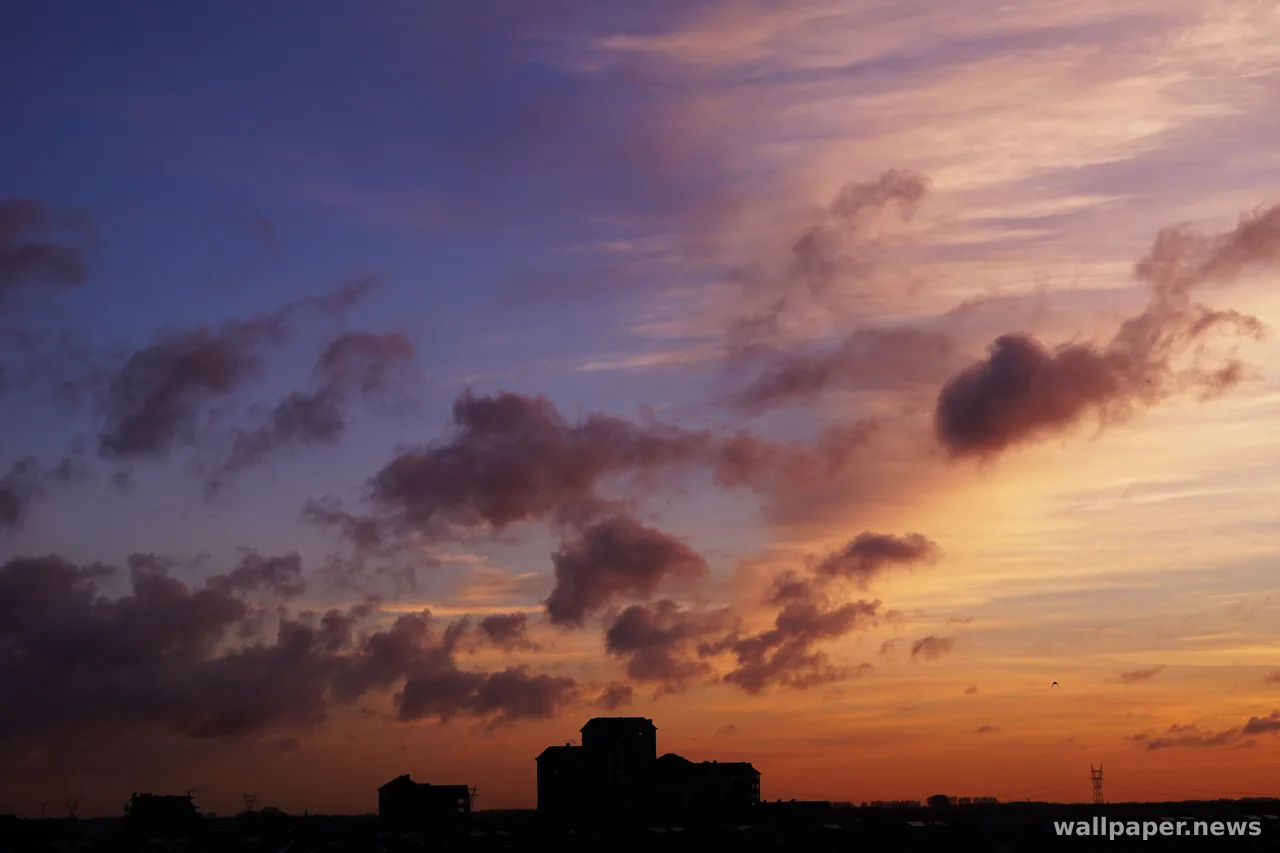
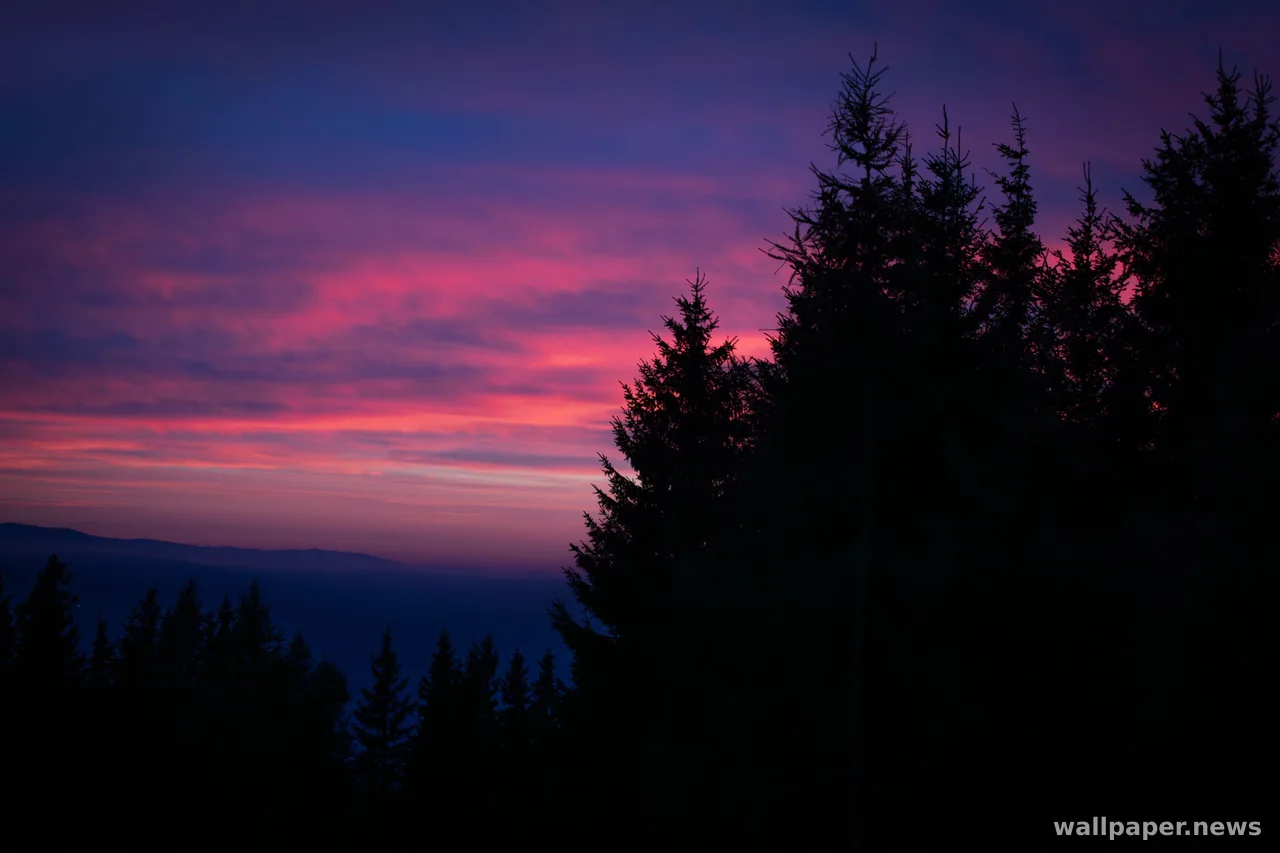
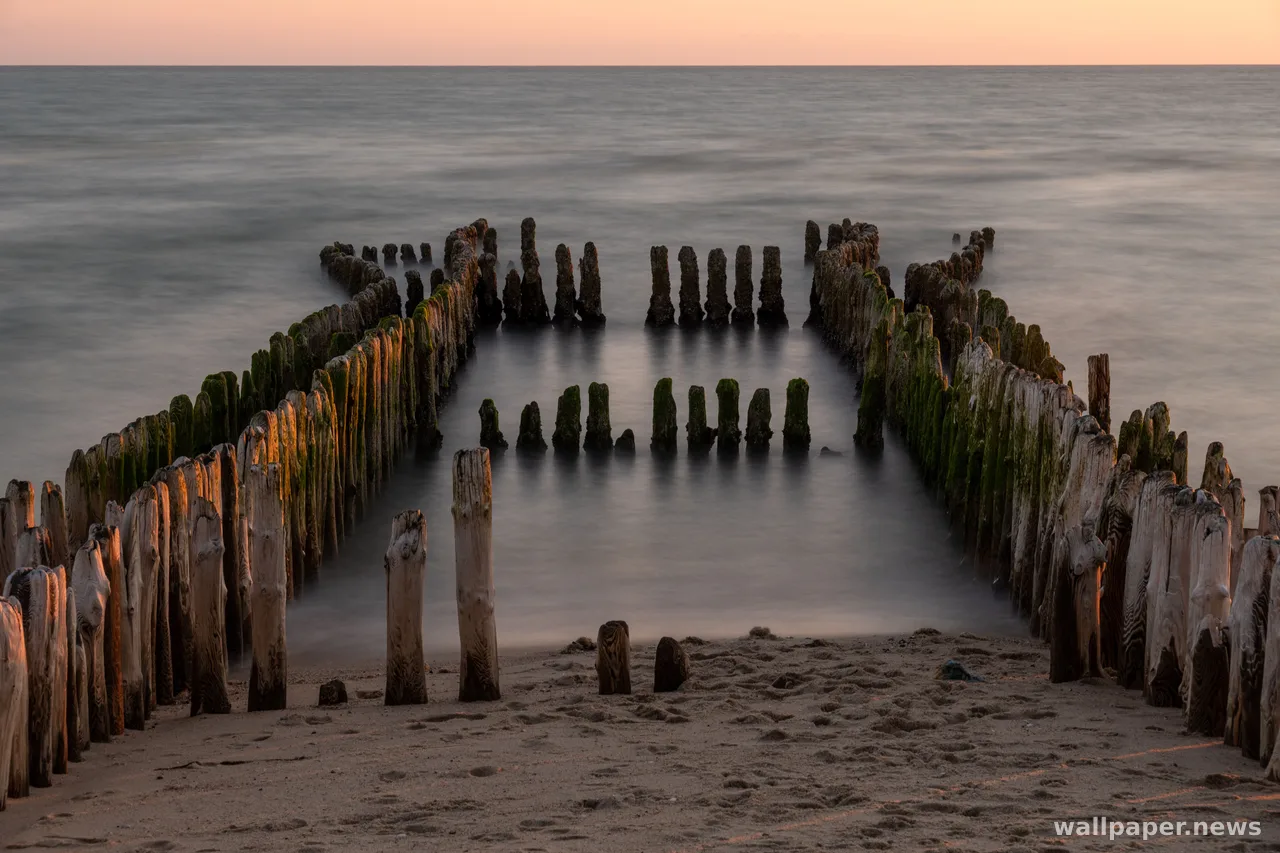
This is also why dusk goes purple so reliably. Once the sun is below the horizon, the short blue wavelengths scatter overhead while the long red ones travel in from the side along a low path, and for twenty or thirty minutes both arrive at the same patch of sky. Photographers who chase that window are not chasing a pigment; they are chasing an overlap, and it closes as soon as one of the two runs out.
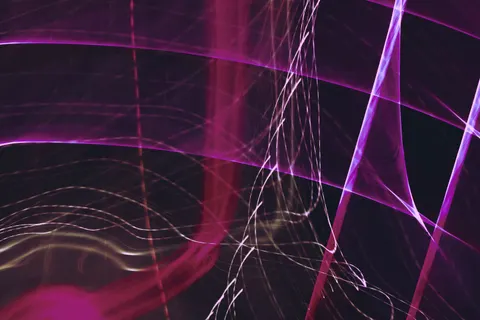
In a photograph purple behaves like a colour that is not quite committed, shifting toward blue in shade and toward pink where a light touches it. On a screen it holds the same indecision, sitting behind the icons without ever quite settling on what it is.