Frozen Lakes, and the Handwriting of Ice
When a lake stops moving, it starts keeping records.
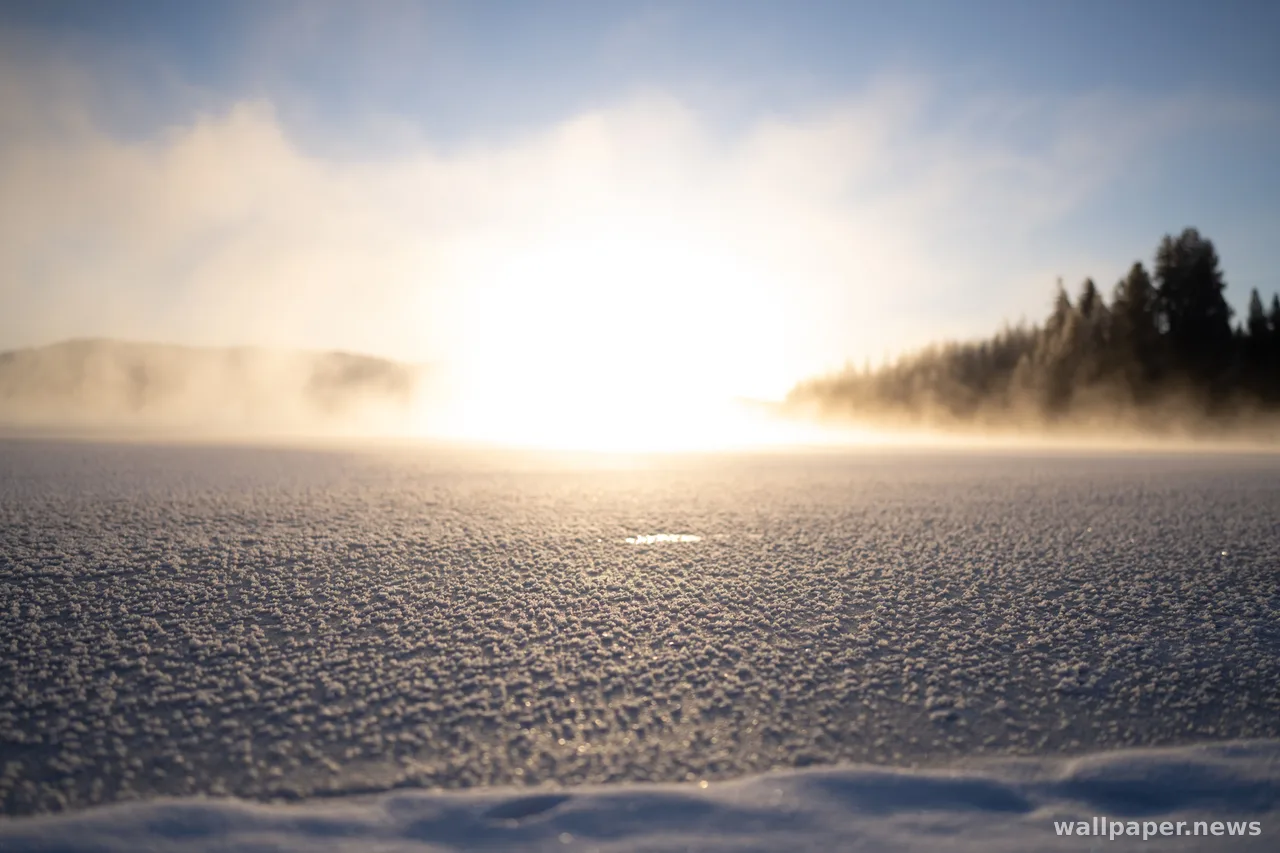
A frozen lake is the only mirror that also works as a window. Stand on it in the right light and you see two things at once: the pale sky laid flat across the surface, and, a hand's width below, the darker world the water kept — weeds bent mid-sway, a leaf that never reached the bottom, threads of bubbles paused on their way up.
The cracks are the interesting part. They are less damage than handwriting: long, forking lines the ice draws as it expands and contracts overnight, each one recording a temperature it will never feel again. On a still afternoon you can hear the lake making more of them, a low elastic note that travels under your boots and stops somewhere you cannot point to.
For a photograph, the trick is to stop looking across the lake and start looking down. Overcast light is kinder here than sun, which turns the surface to glare; a polarizer cuts what is left and hands you the layers underneath. As a wallpaper it behaves the way ice behaves, perfectly still and quietly deep, a held breath your other windows can scroll over without disturbing.