Symmetry: The Eye Checks It Twice
A mirrored frame gets inspected before it gets looked at.
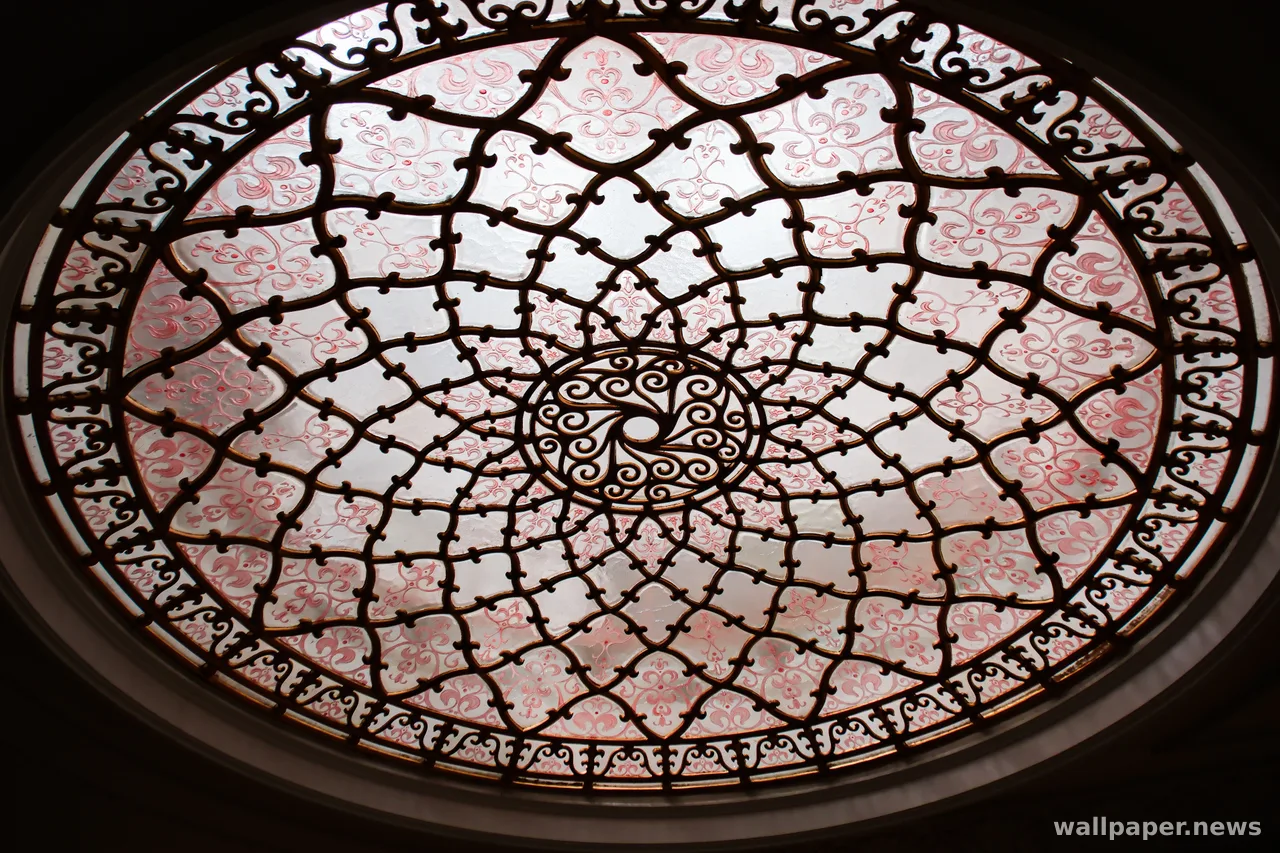
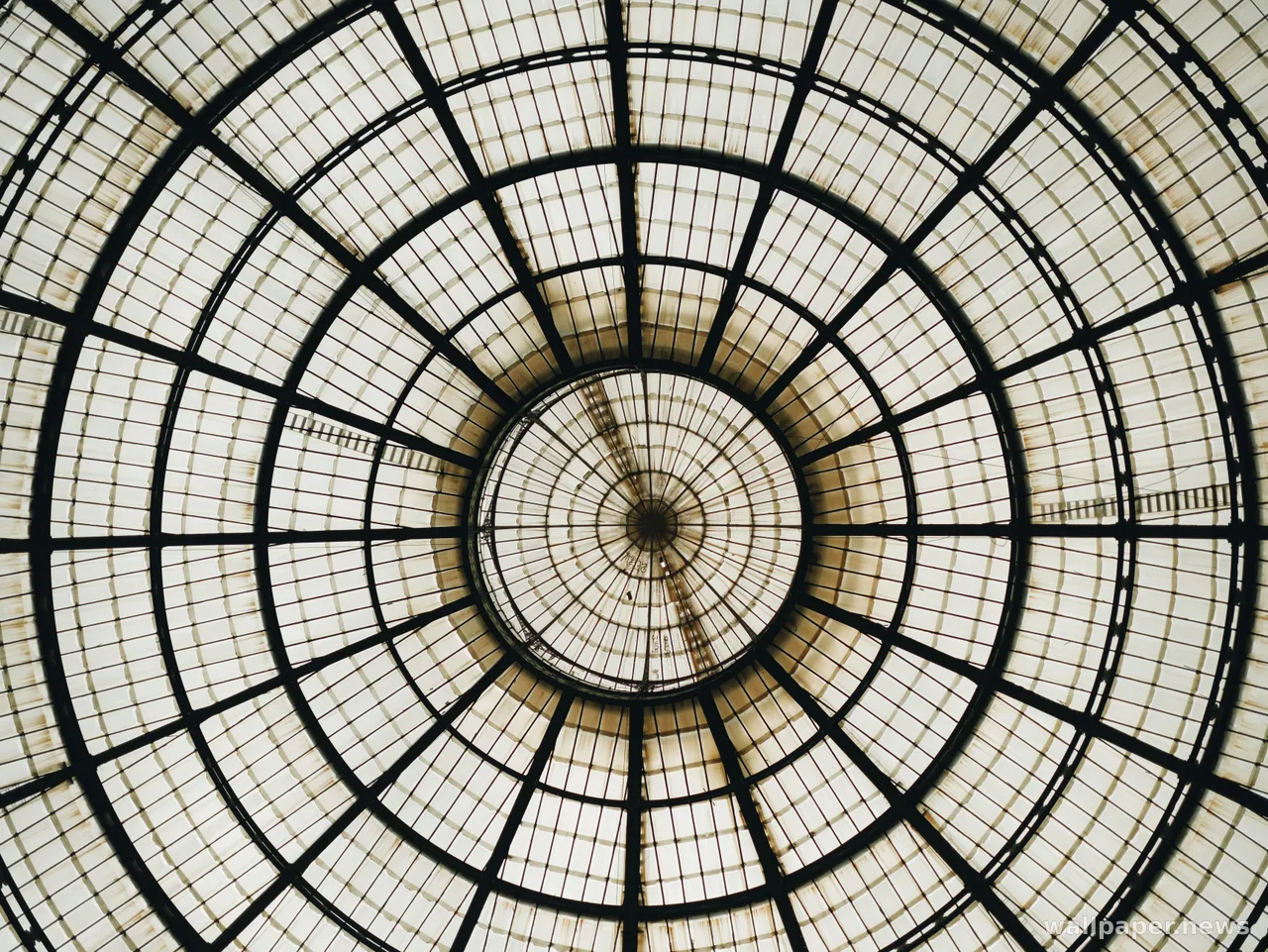
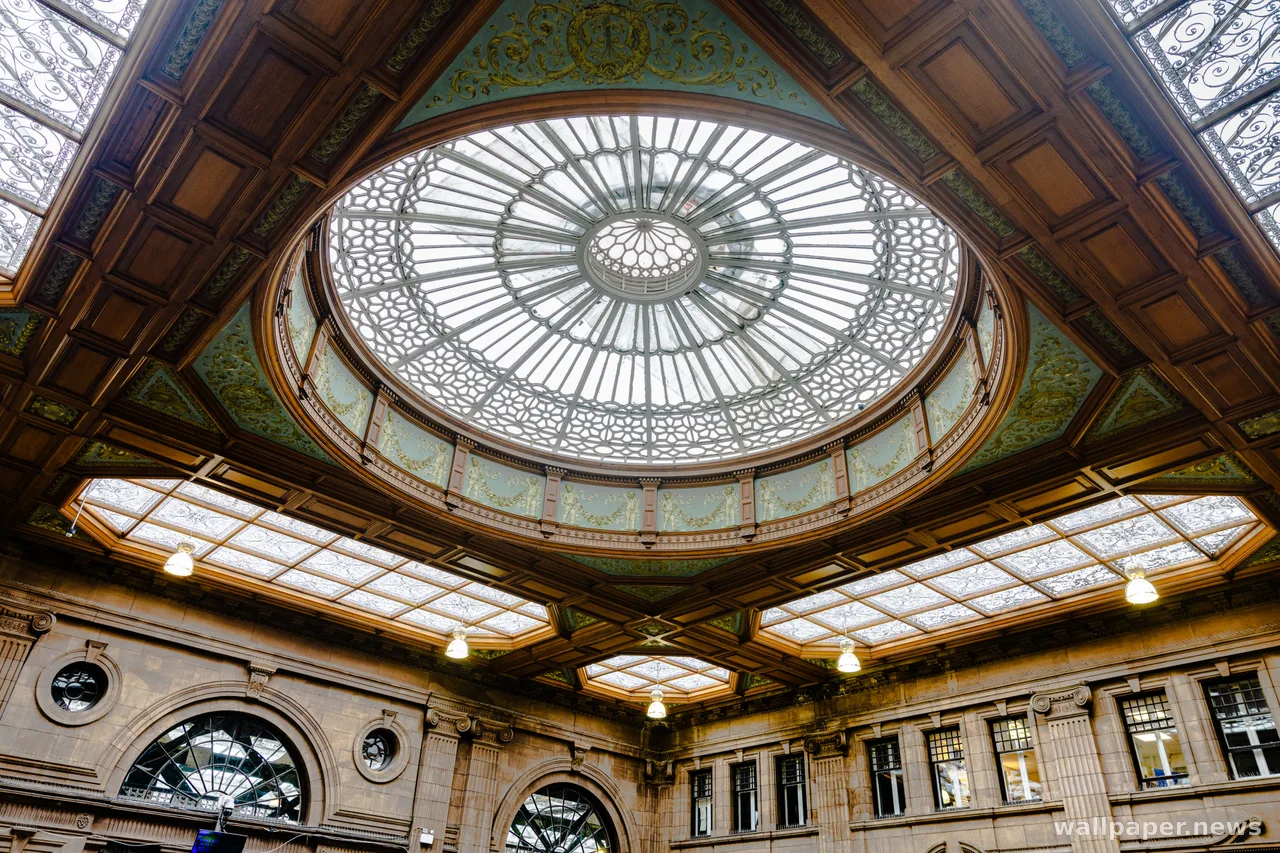
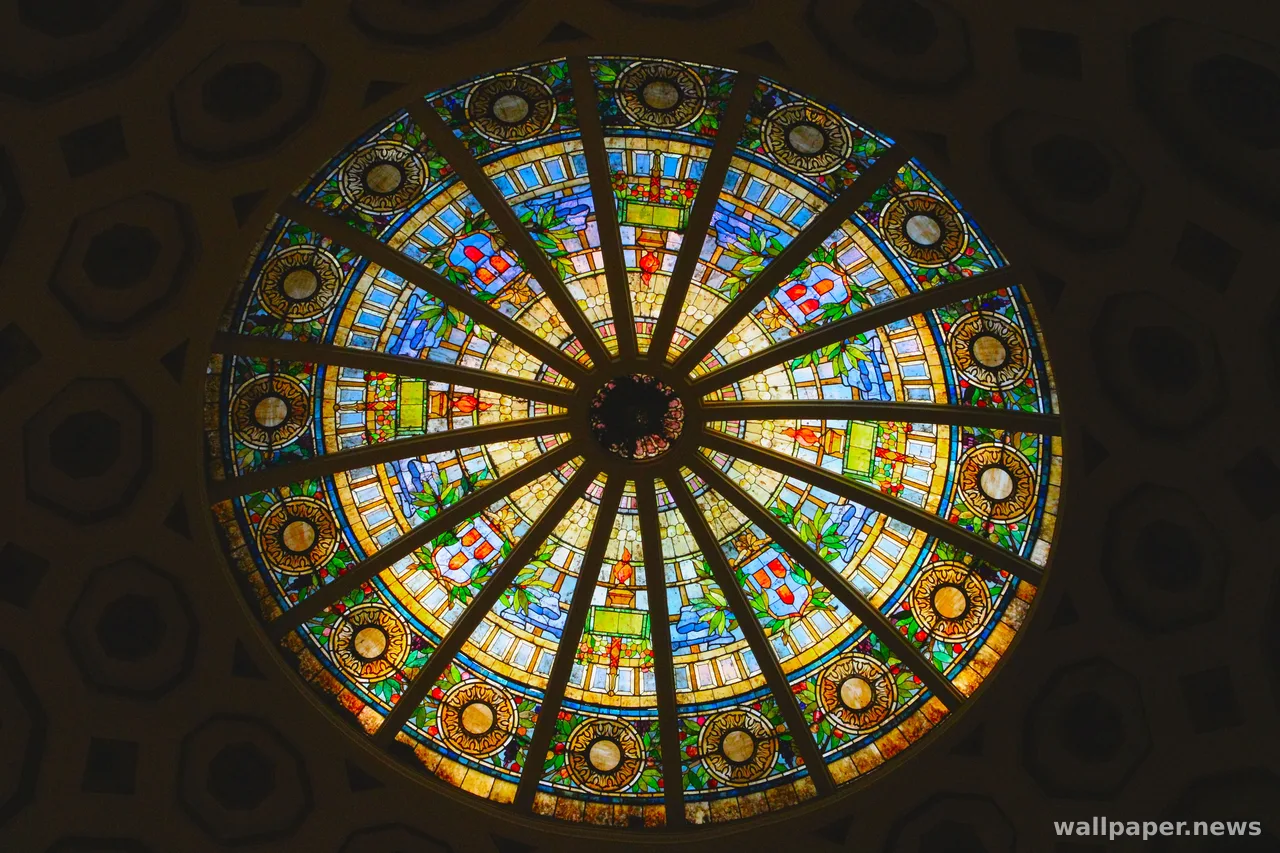
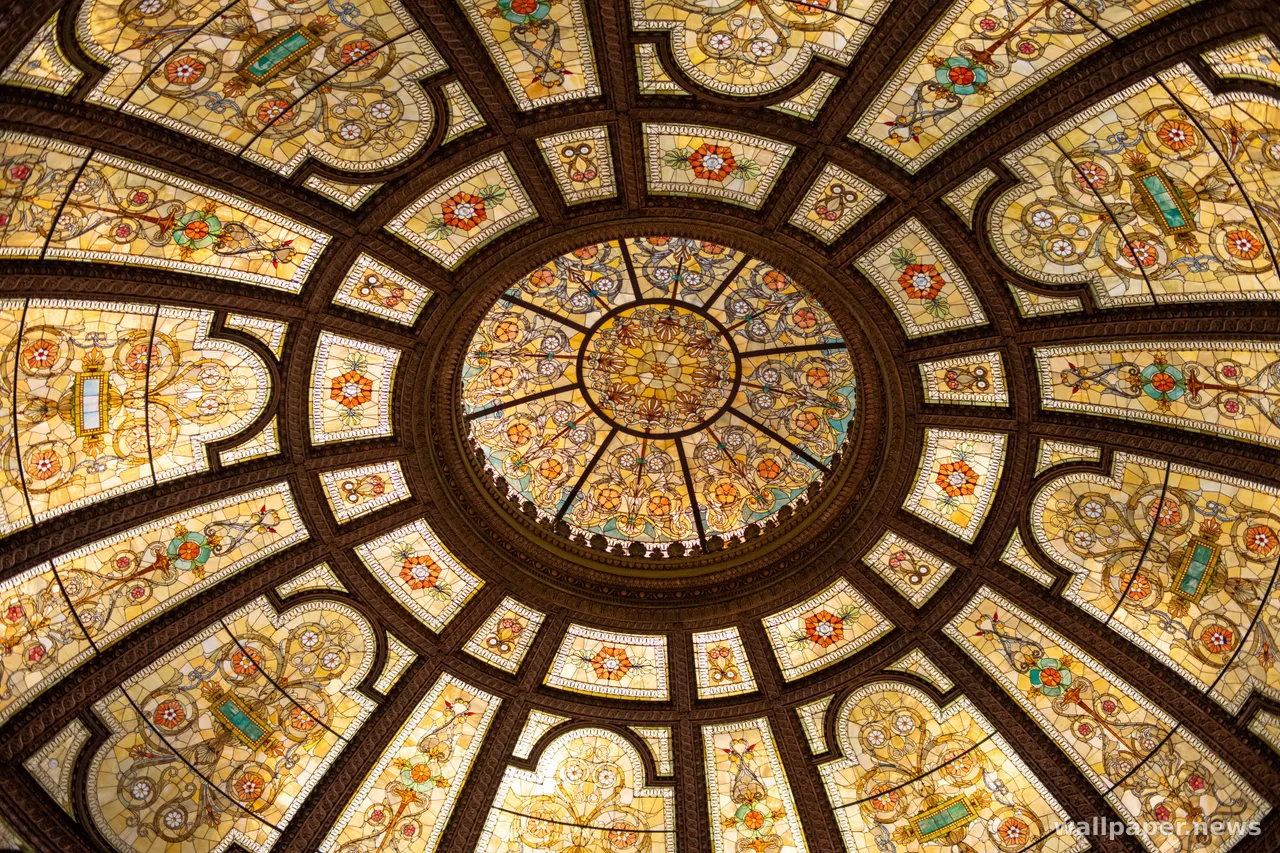
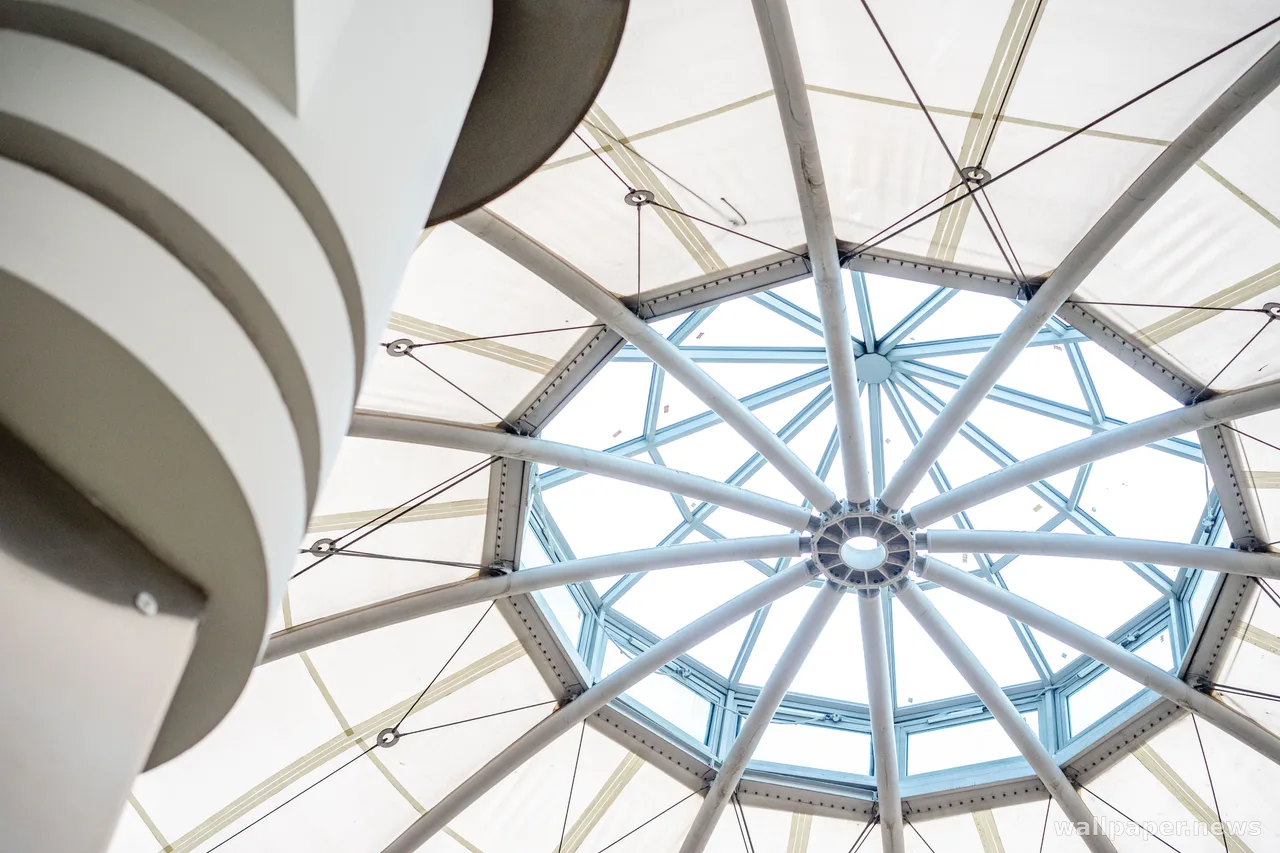
Symmetry is uncommon outdoors and ordinary indoors. A cathedral nave, a station hall, a row of windows repeated until the repetition stops meaning anything — these are decisions someone made with a ruler. Nature offers near-misses instead: a moth, a lake at four in the morning with no wind in it, a mountain that only looks balanced from one particular footpath.
What makes a symmetric photograph difficult is that it grades itself. Miss the centre line by two degrees and the frame tells on you; the eye compares the two halves before it reads the subject, and it does that faster than almost anything else it is asked to do. People who shoot this way spend more time shuffling their feet than pressing the shutter, and the tilt they finally correct is usually invisible until it is gone.
The reward is a picture with a spine. A symmetric wallpaper holds a vertical axis down the middle of the screen, which is the one place nothing tends to go — no icons, no clock, no folder named new folder (2). It hands the busy corners over to the desktop and keeps the quiet middle for itself.