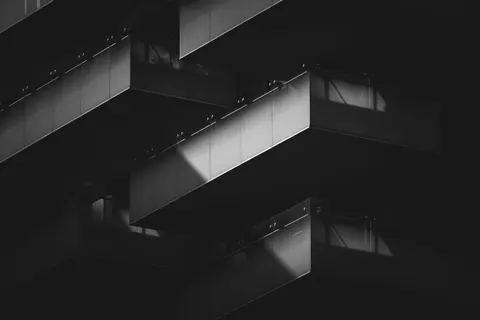
Close Crops: Pictures That Won't Say How Big They Are
Move in close enough and a photograph stops reporting scale or place, which is exactly why it sits well on a screen.
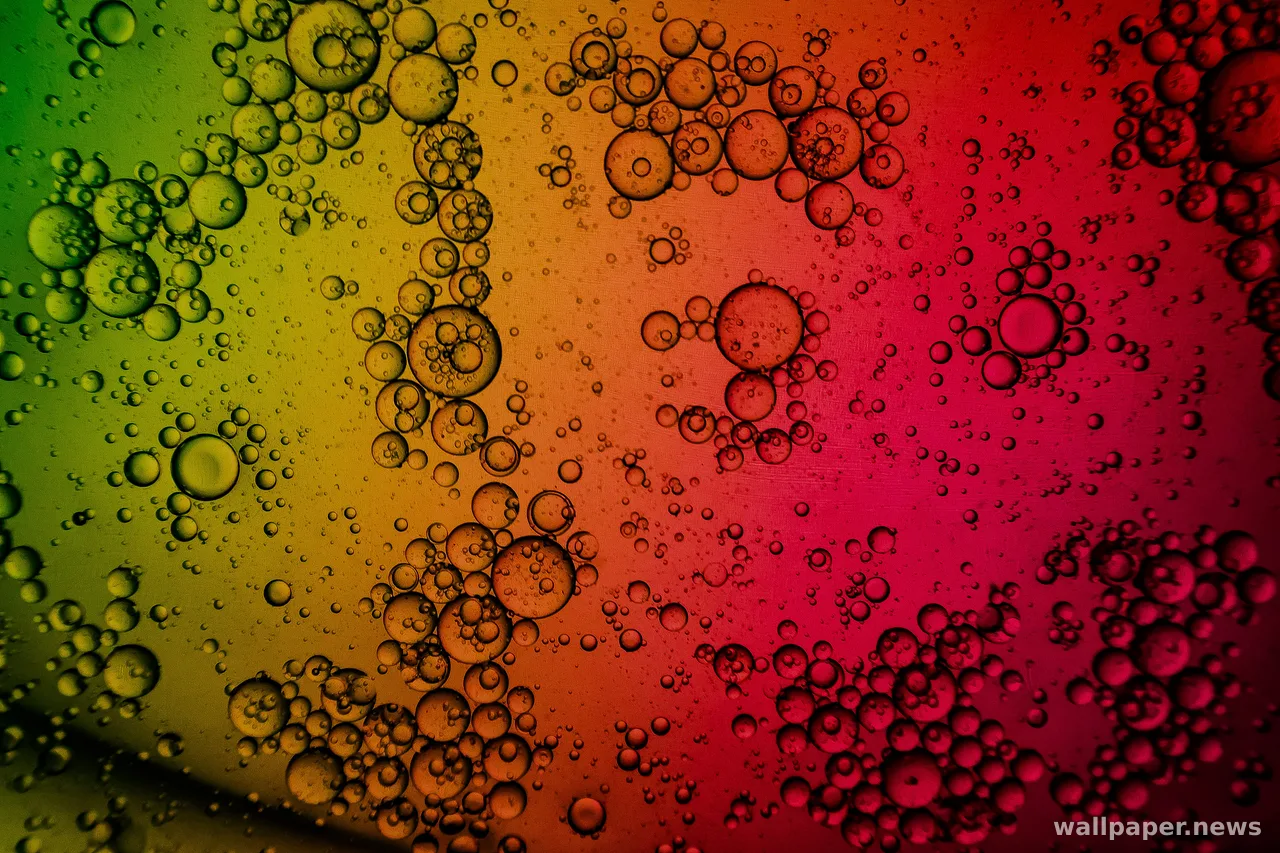
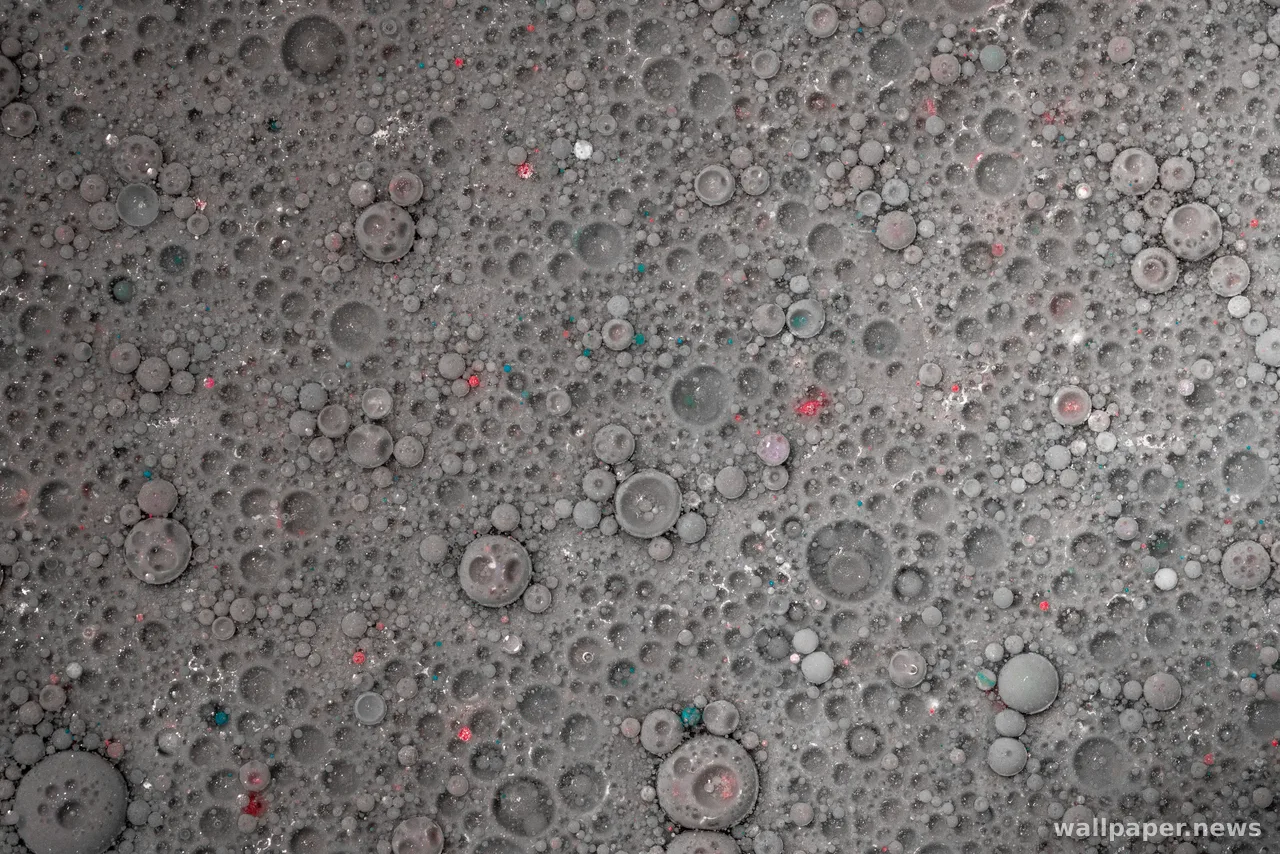
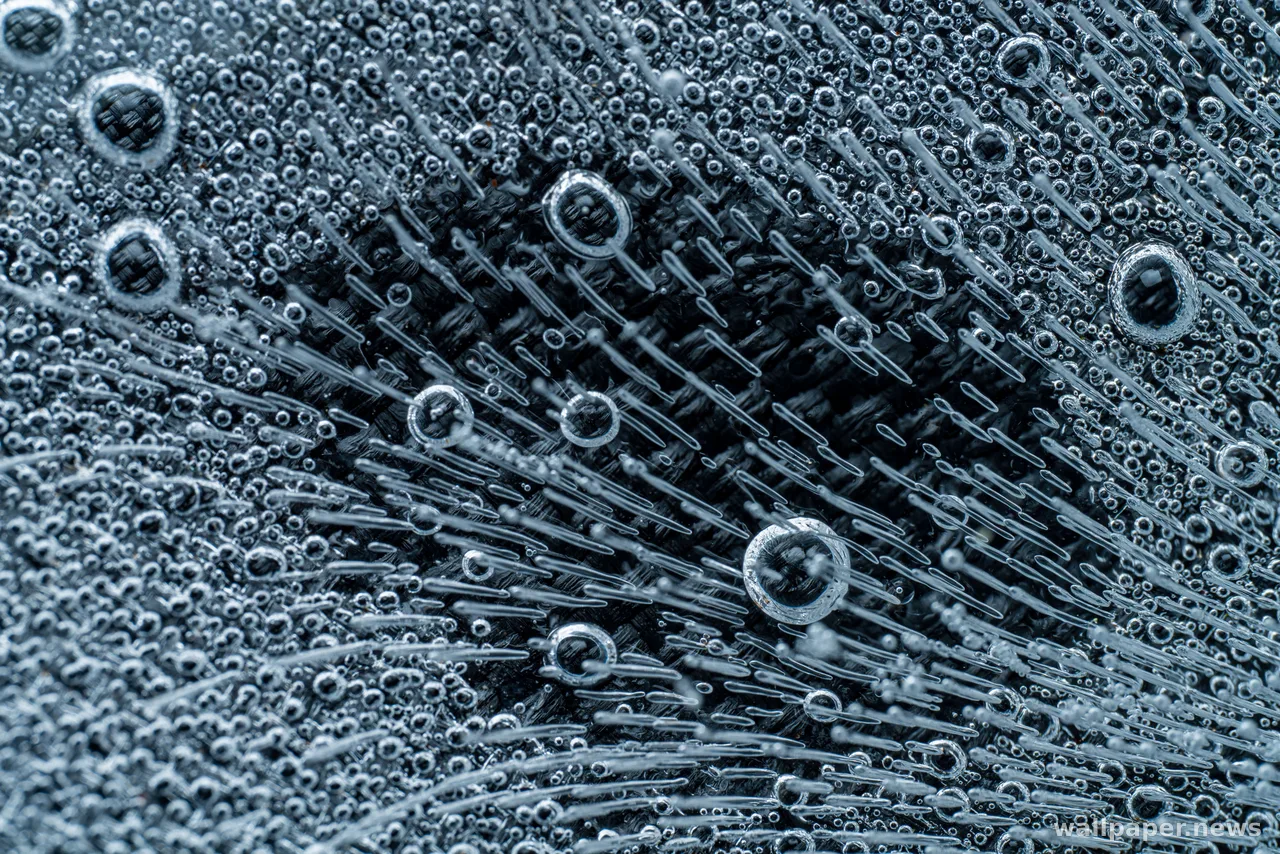
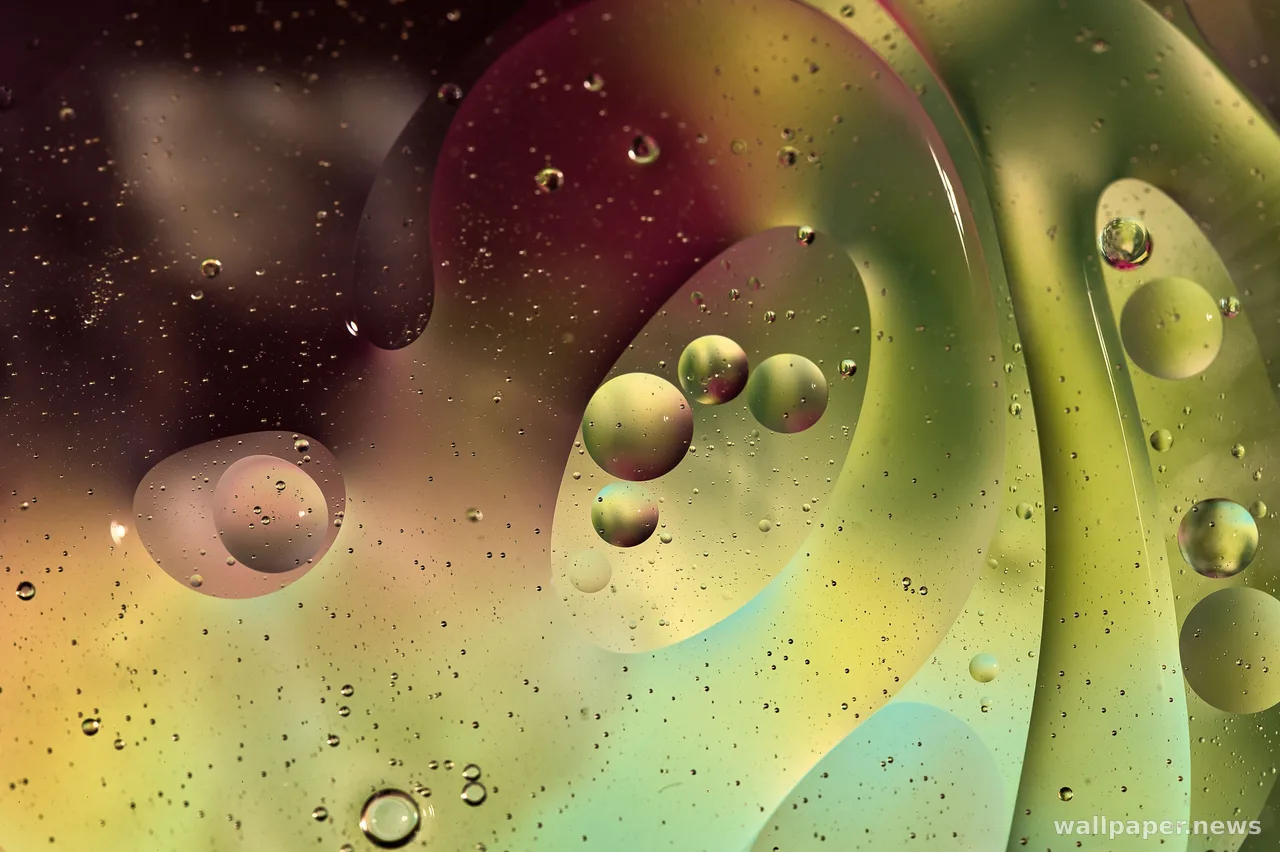
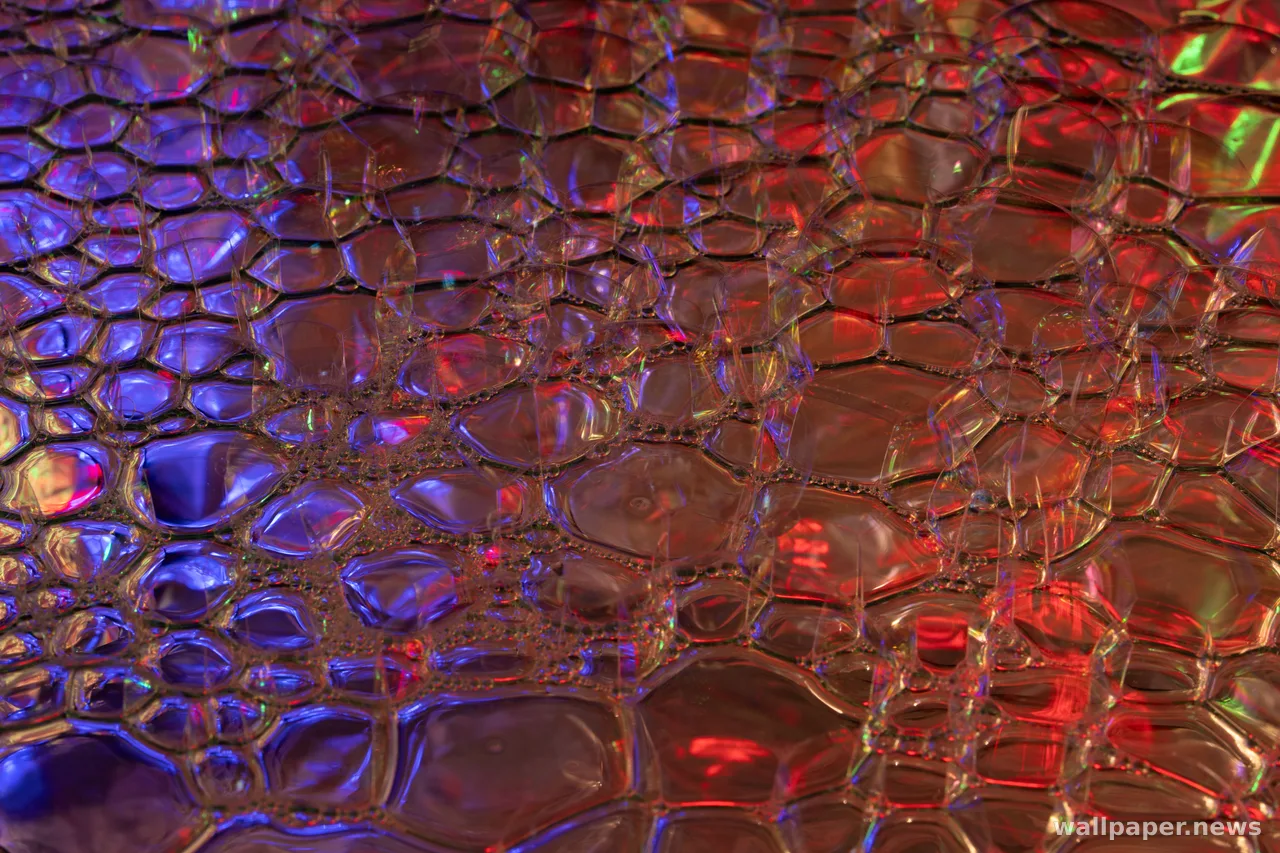
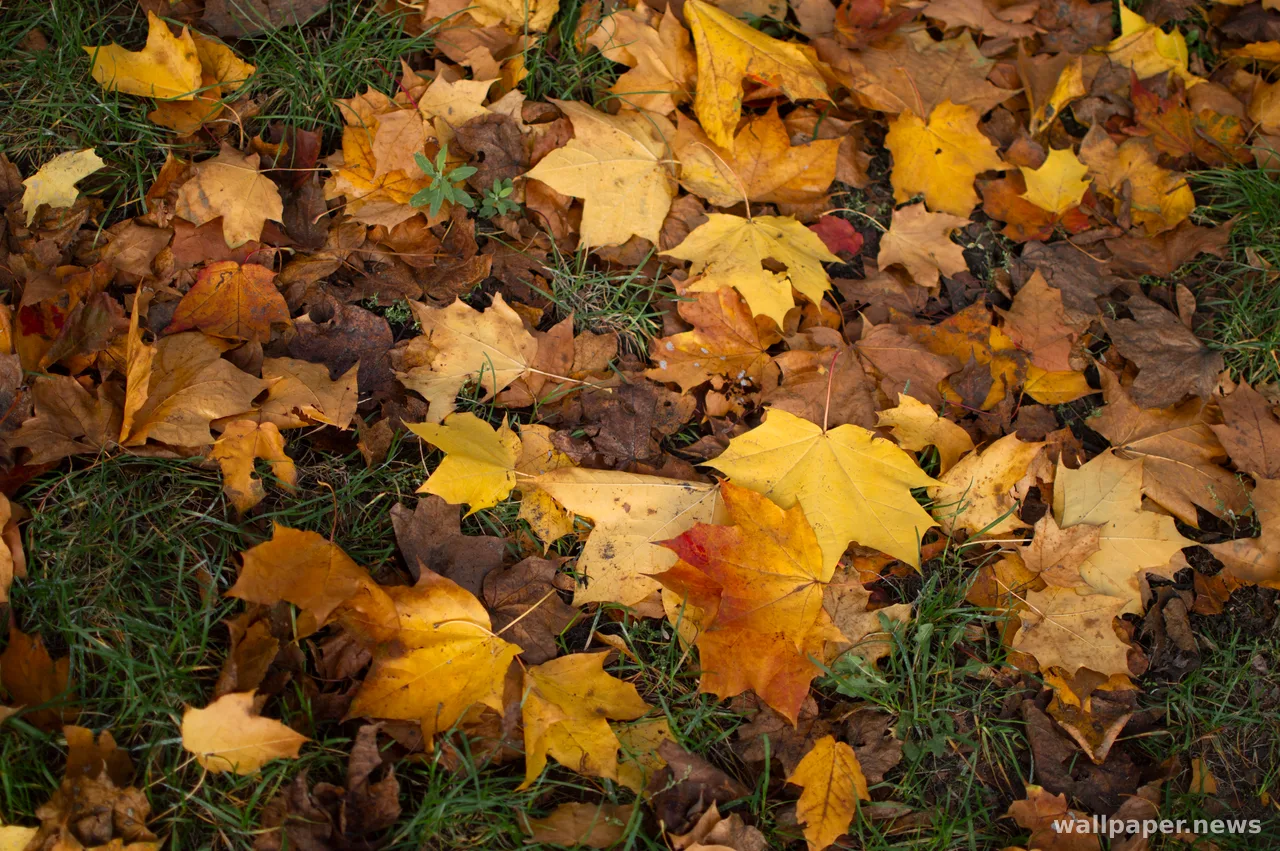
A landscape usually promises two things: how large the thing is, and where you would have to stand to see it. A close crop withdraws both. Wet stone at ten centimetres reads like a coastline seen from a plane; a leaf edge reads like a ridgeline. Nothing in the frame is willing to settle the argument, so the eye stops trying to place the picture and starts reading shape, weight, colour.
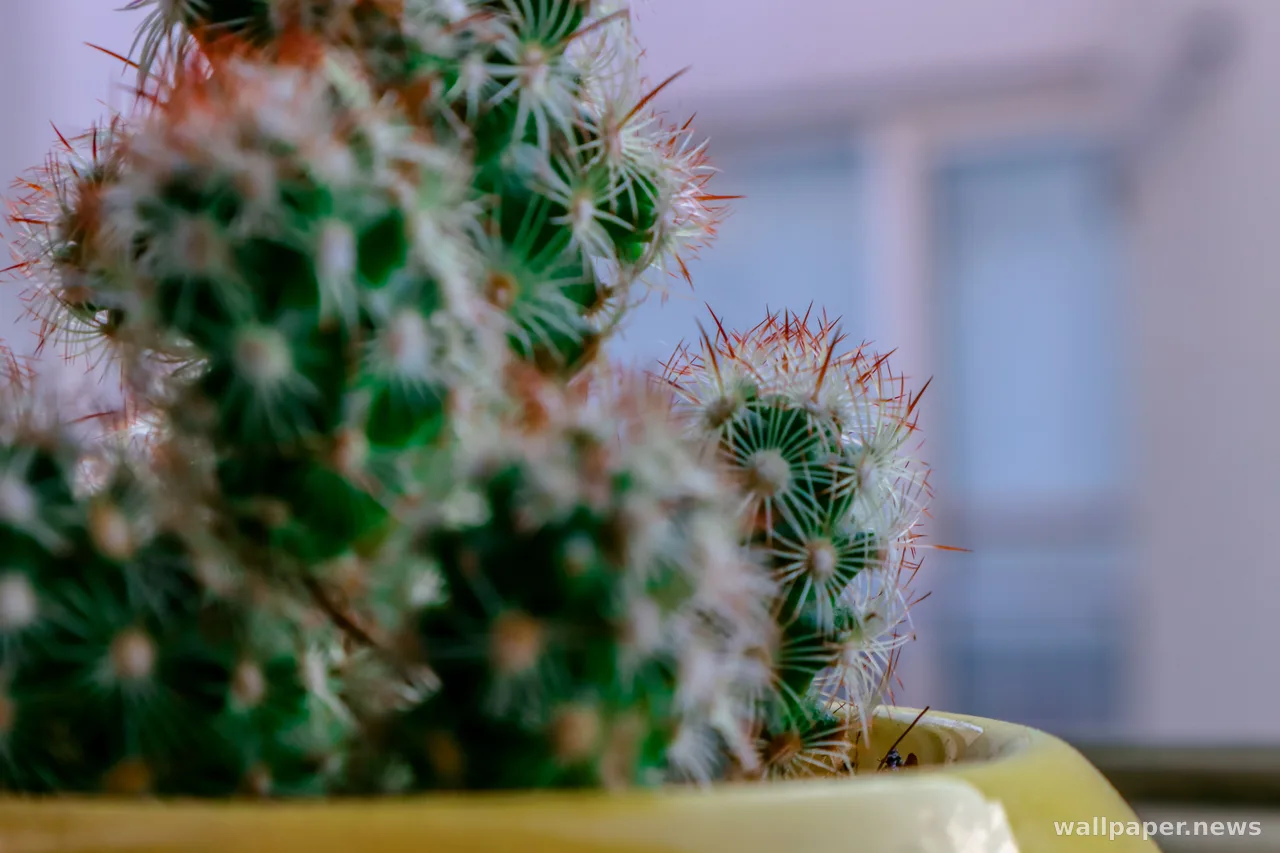
This is a deliberate move, not an accident of the lens. Working close pulls depth of field down to a few millimetres, so the photographer decides which single plane is allowed to be sharp and lets everything behind it go soft. The frame edge does the rest of the work — it cuts the subject off mid-sentence. What is missing becomes the subject, and there is a difference between a picture that hides something and one that simply declines to mention it.
On a desktop this behaves unusually well. There is no horizon line arguing with the taskbar, no landmark insisting on being recognised, no obvious centre for icons to cover. A folder can sit anywhere without ruining the good part, because every part is the good part in the same quiet way. Months later you may still not know what it was, and the not knowing has stopped being a problem.