The Net on the Sand
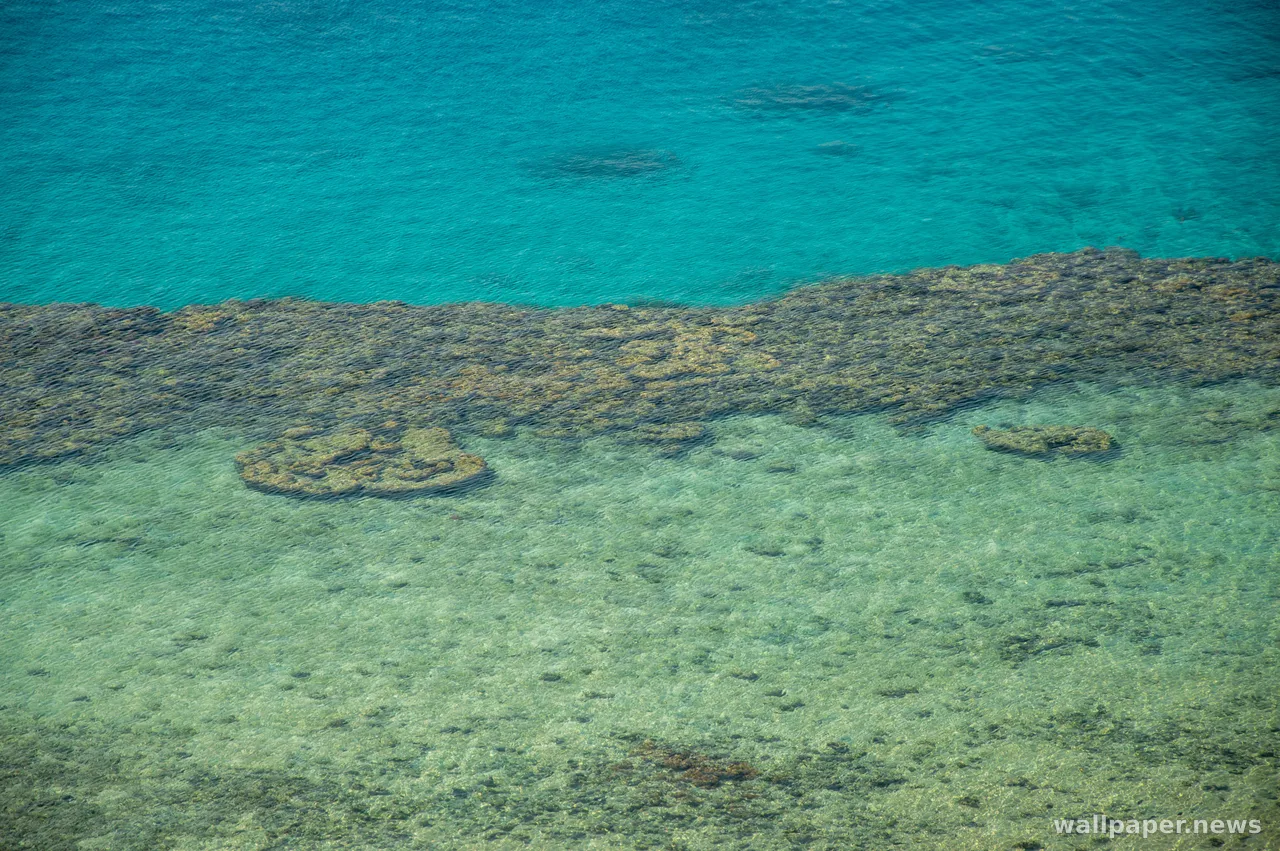
In shallow water, every ripple works as a lens and writes a moving grid on the bottom.
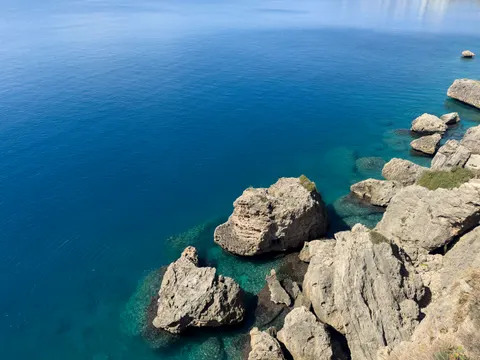
The bright web that shifts across a sandy bottom is not a shadow of the waves; it is what the waves do to sunlight on the way down. Each crest curves like a short cylindrical lens and gathers parallel light into a line, each trough spreads it thin. The lines cross, and the crossings are where the sand goes white.
Two things give the effect away. The bright edges often carry a thread of colour, because water bends blue slightly more than red, and the pattern travels faster than the ripples that make it, since a small tilt at the surface swings the focus a long way across the floor. Depth sets the sharpness: a metre down the mesh is crisp, four metres down it softens into blotches, and on a windless morning with the surface flat the whole net disappears and leaves plain light.
As a picture it is mostly high-frequency detail, which is exactly what compression removes first — save it large, and let the dark sand carry the contrast. On a desktop it behaves like a slow screensaver that never repeats, except it holds still, which is the one thing the real thing never does.