Heat Haze: The One Afternoon You Can See the Air
Above hot ground the atmosphere stops being invisible and starts behaving like water.
On a road at two in the afternoon the far end of everything begins to wobble. Ground warmed to fifty degrees heats the first metre of air above it, that thinner air bends light a little less than the cooler layer sitting on top, and the boundary between them drifts and folds like something poured. The distant truck loses its wheels first, then its outline, and finally sits on a strip of false water that retreats at exactly your walking speed.
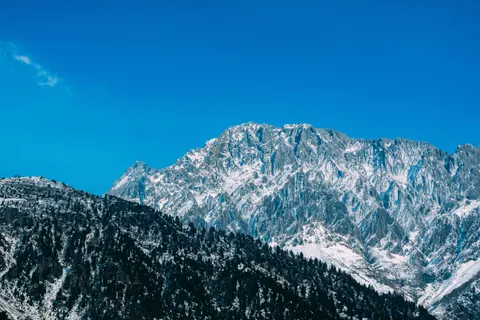
Photographers meet this as a defect. A long lens compresses several hundred metres of shimmering air into one frame, so the mountain ridge arrives soft no matter how carefully the focus was set, and no aperture rescues it. The usual answer is to shoot early, before the ground has had four hours to load the air, or to give up on distance and work close, where there is not enough atmosphere between subject and sensor to matter.
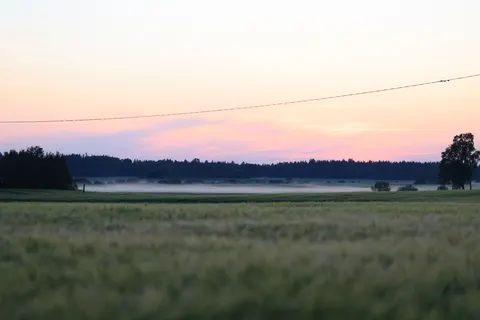
Sometimes the defect is worth keeping. A telephoto pointed across a hot plain at the end of the day turns a line of trees into wet paint, edges melting into the horizon while the colour stays honest, and a still image ends up carrying a temperature. On screen that softness reads as depth rather than error, which is why a heat-warped horizon behind sharp icons tends to look less like a blurred photograph than like a hot day someone remembered wrong.