Surfaces Worth Touching
Texture photographs work on the wrong sense first, and the screen has no answer for it.
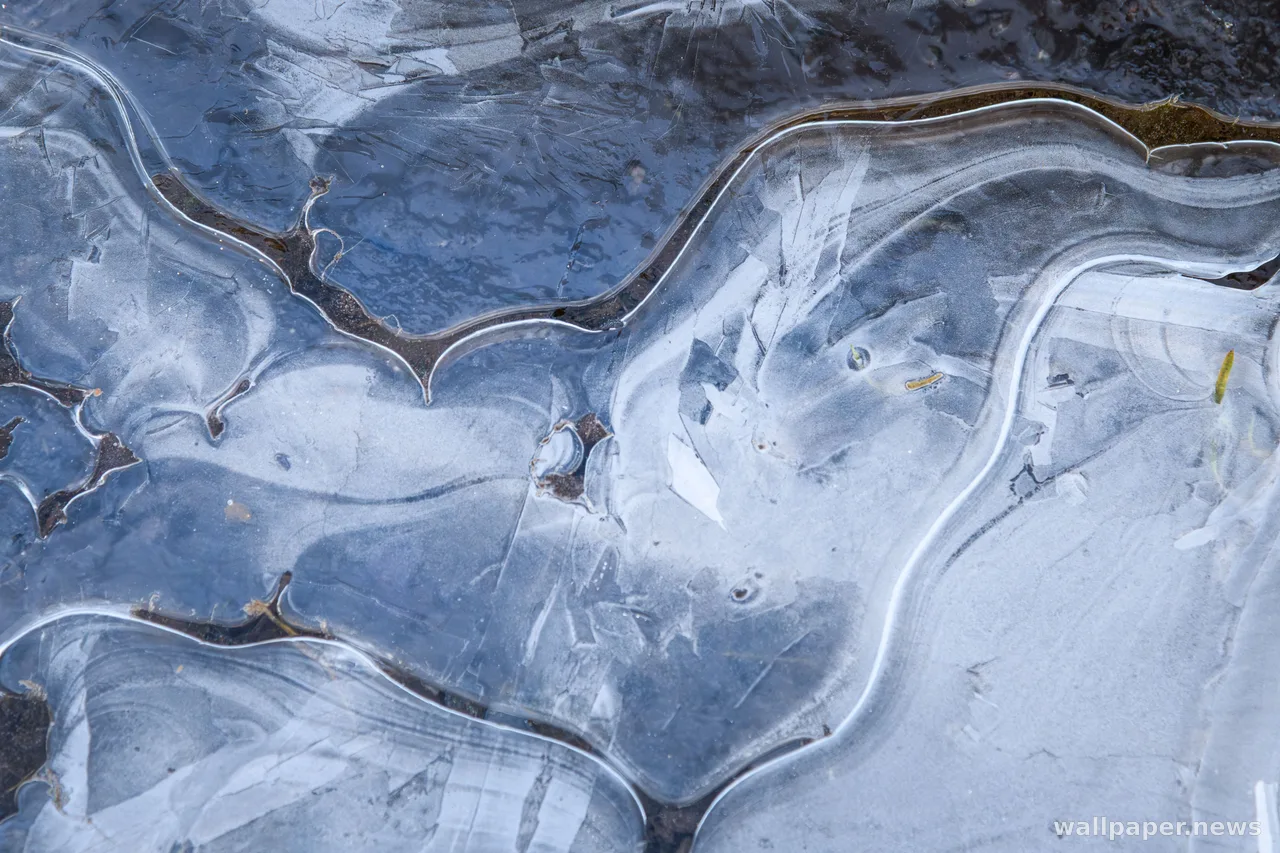
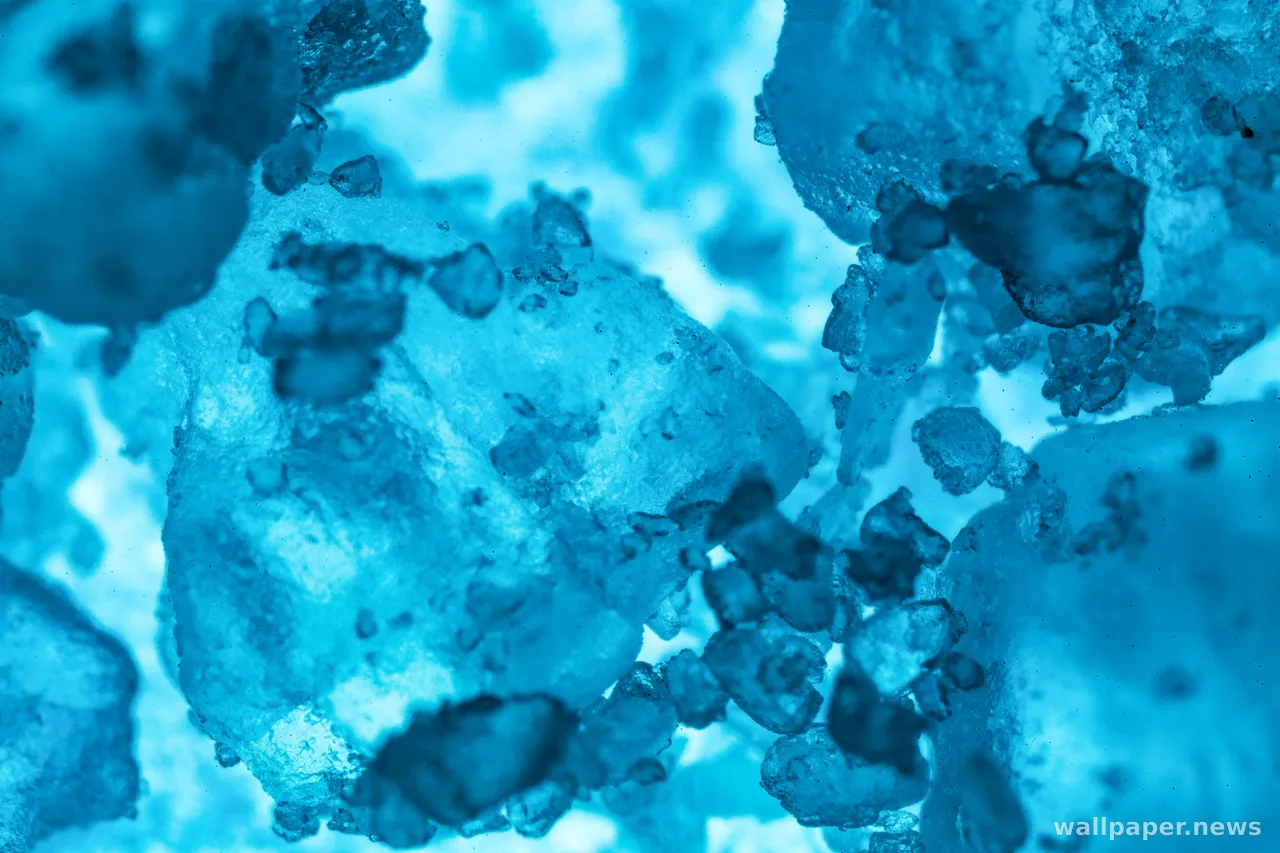
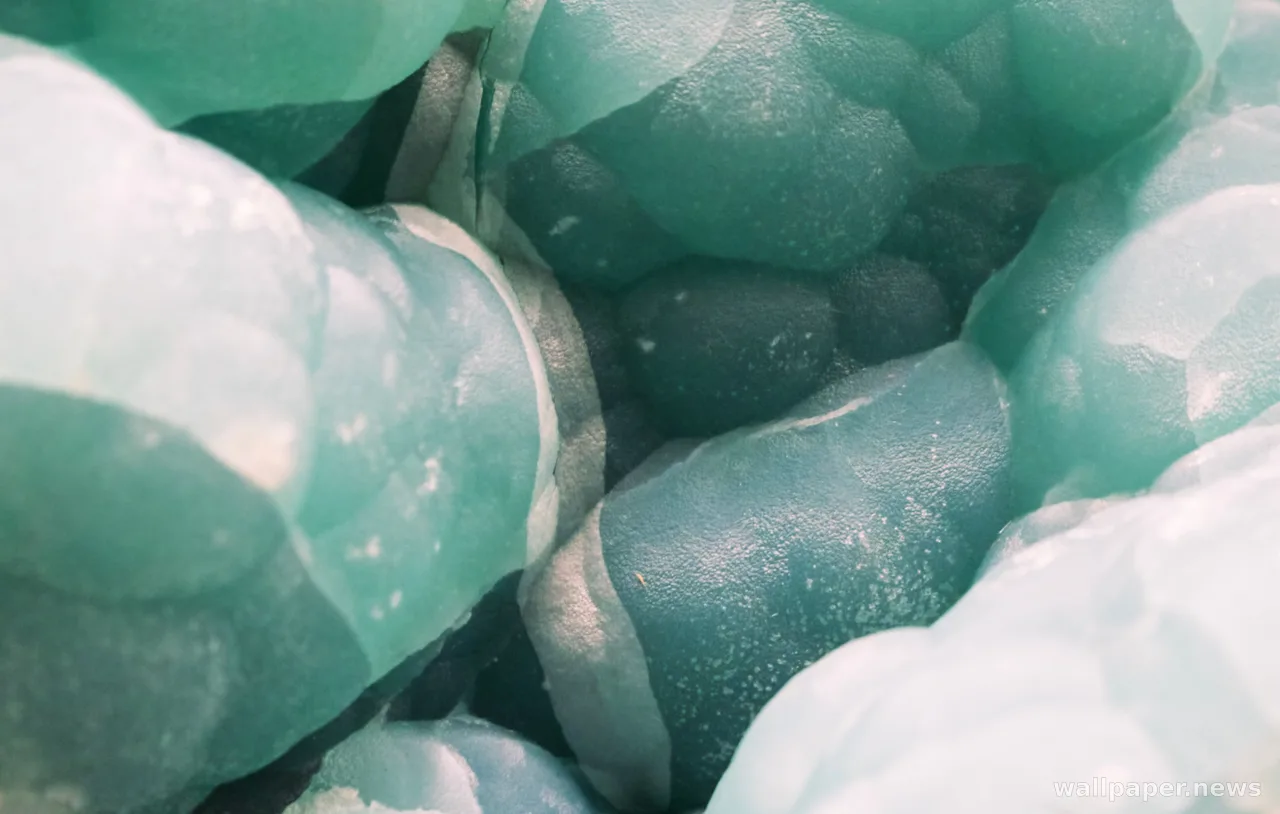
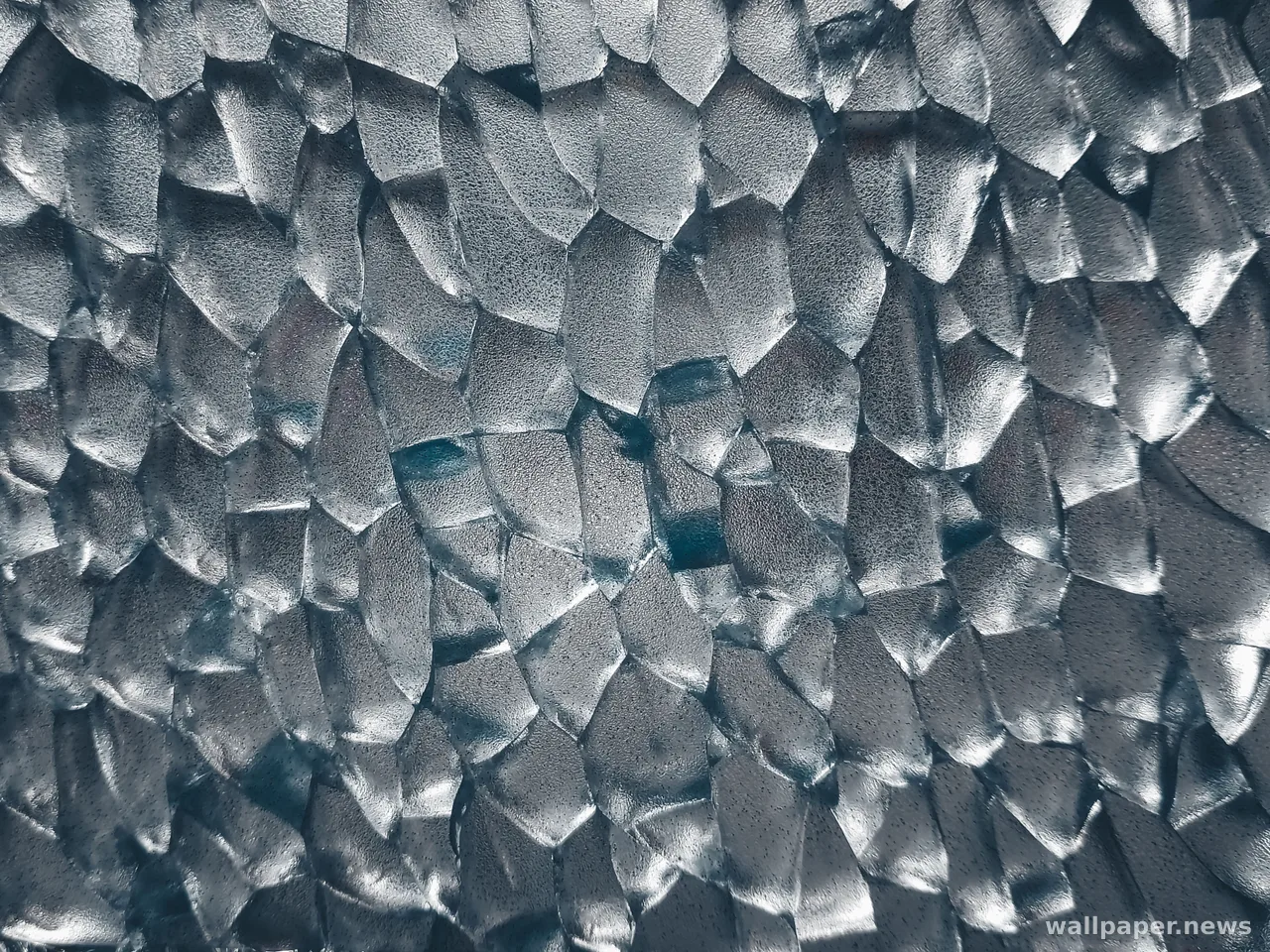
A close frame of rust, oiled wood or wet stone reaches the hand before it reaches the mind. You look, and somewhere behind the looking a fingertip has already decided how cold the stone is. Photographers who shoot surfaces spend most of their time waiting for light that grazes rather than light that floods, because only a low sun or a window at the side turns roughness into something visible at all.
Almost none of this character was designed. It was use and weather: a door repainted four times and now chipping back through every colour it has been, a table worn pale where forearms rest, a wall where salt air has been eating the plaster for a decade with no particular hurry. The camera arrives long after the interesting part is over, and simply reports what time did.
As wallpaper a texture behaves nothing like a view. There is no horizon to sit awkwardly against the top of the screen, no subject for the icons to trample, no weather to be in the mood for. It fills the space the way a desk surface does: entirely present, asking for nothing, and quietly better than empty grey.